Last updated November 2, 2026
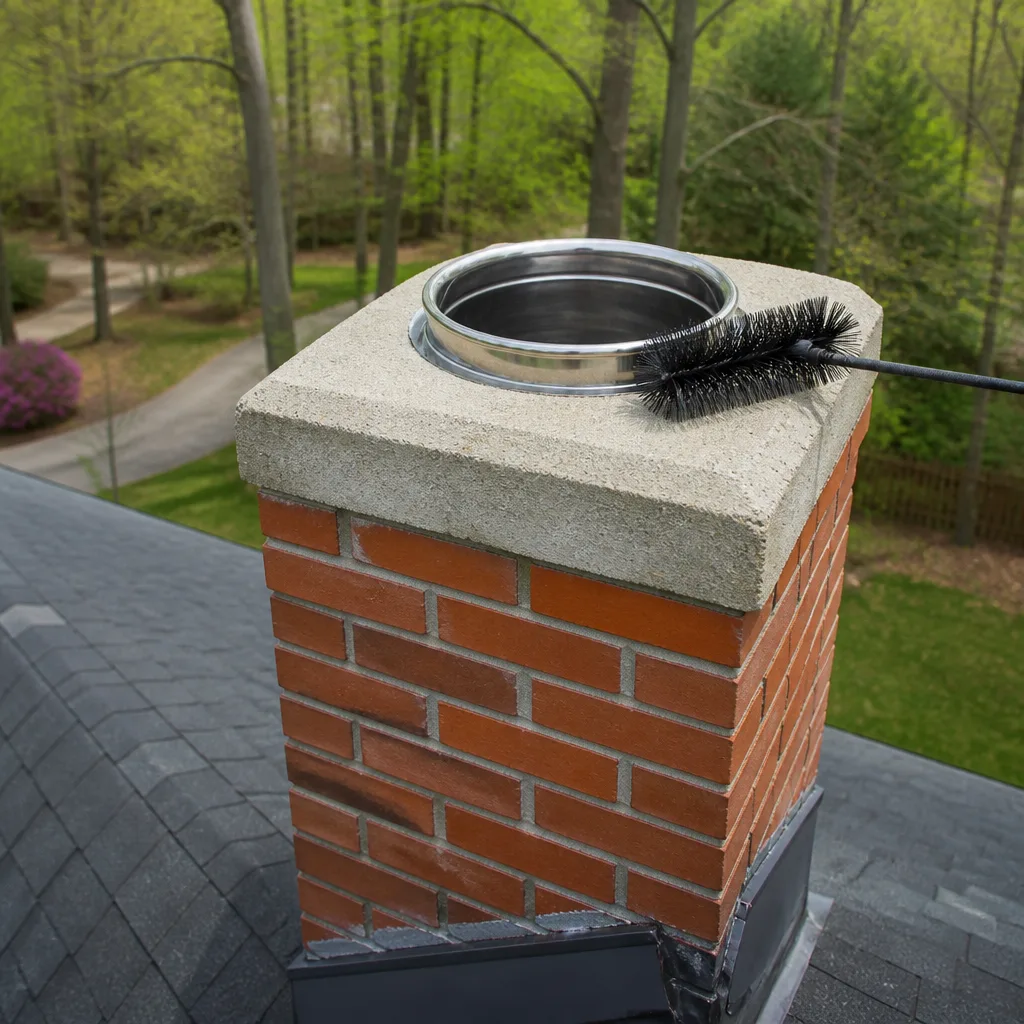 Sweep & inspection
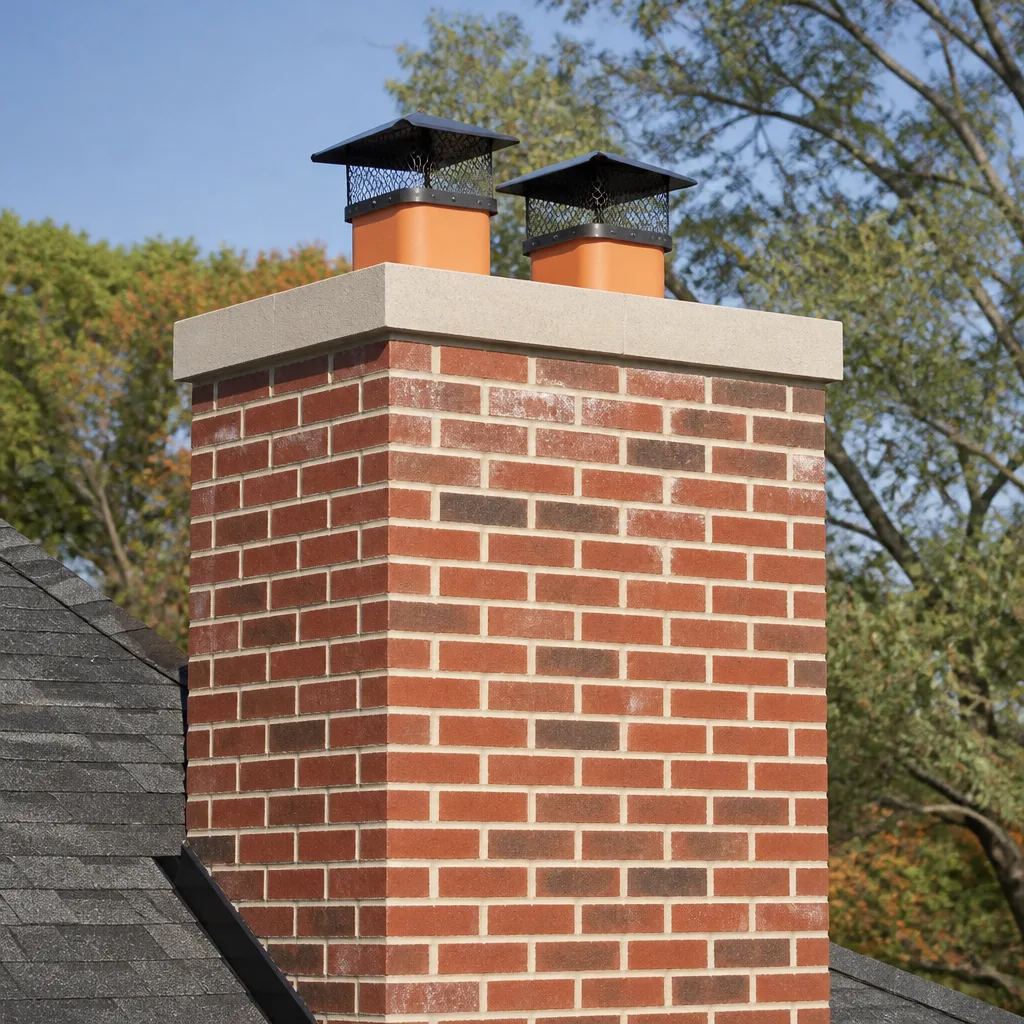 Caps & crowns
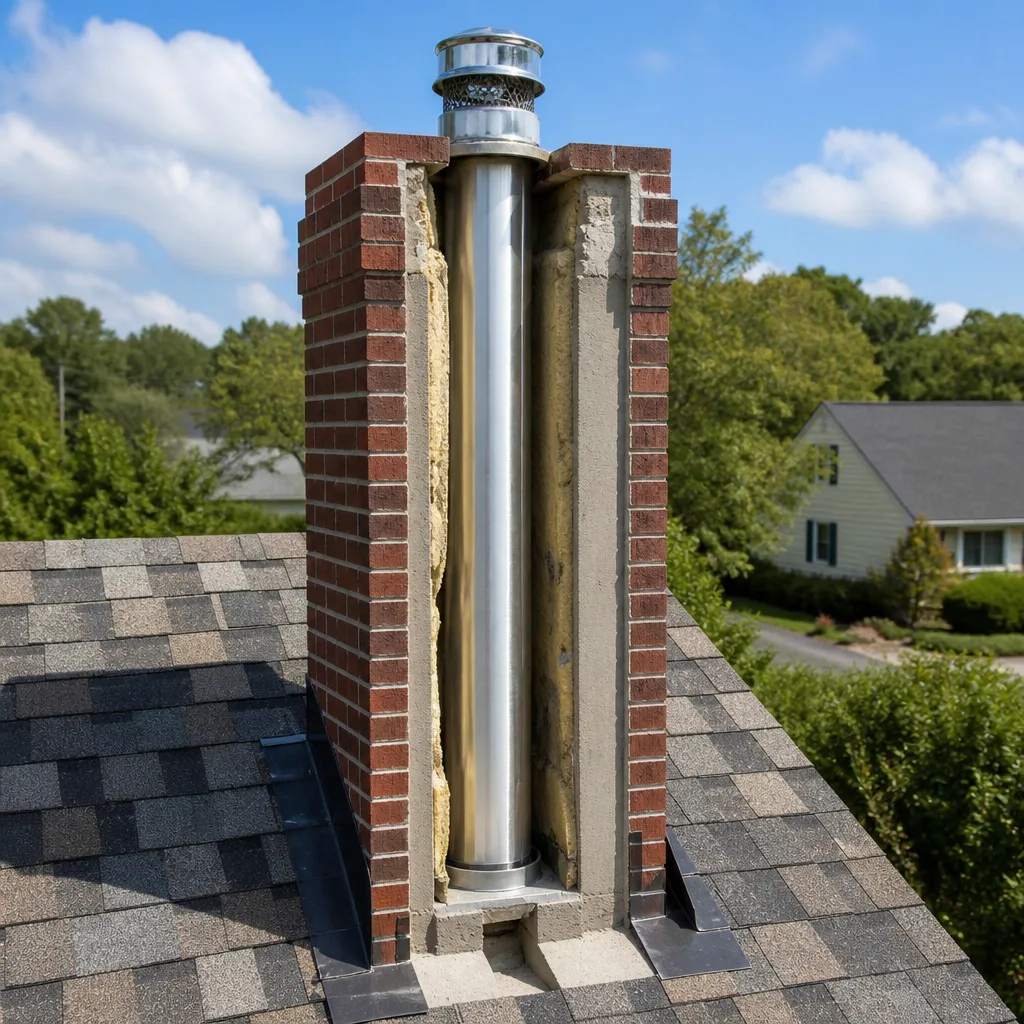 Flue relining
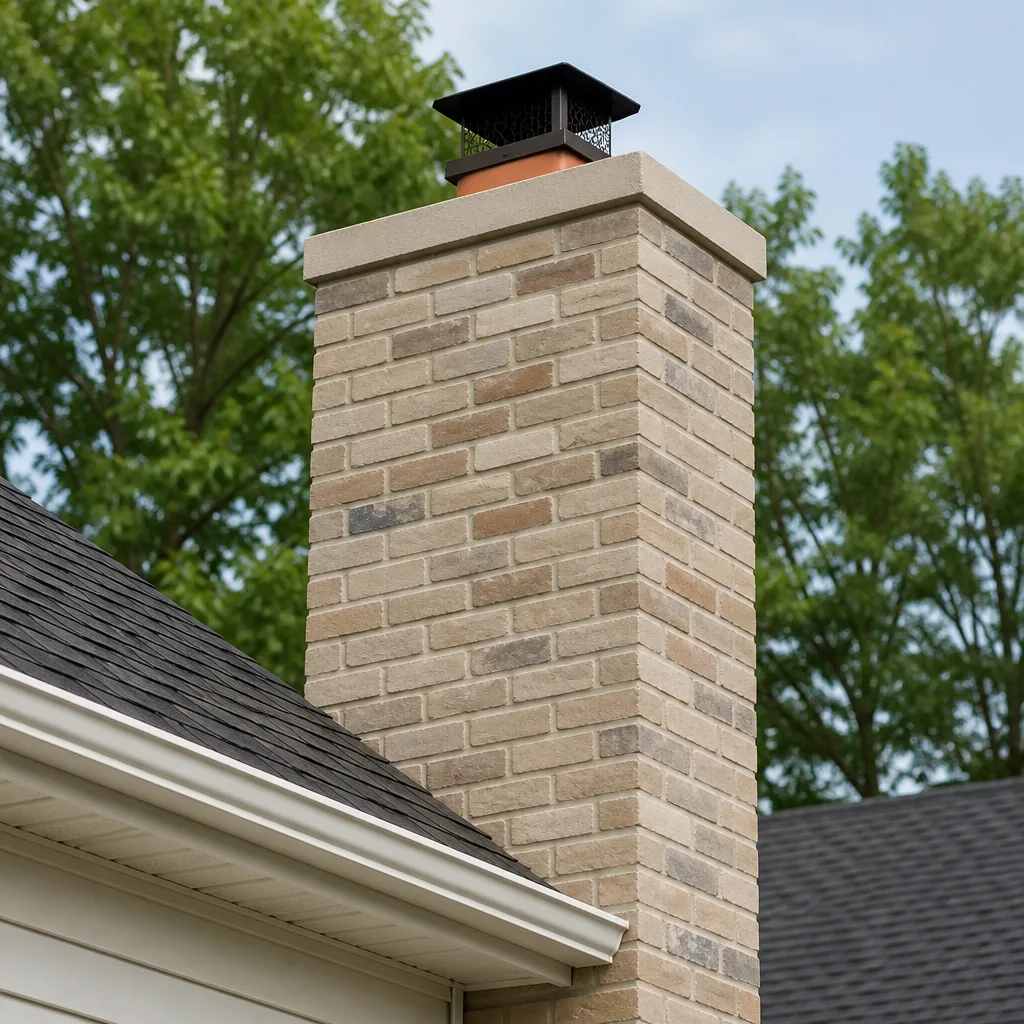 Masonry repair
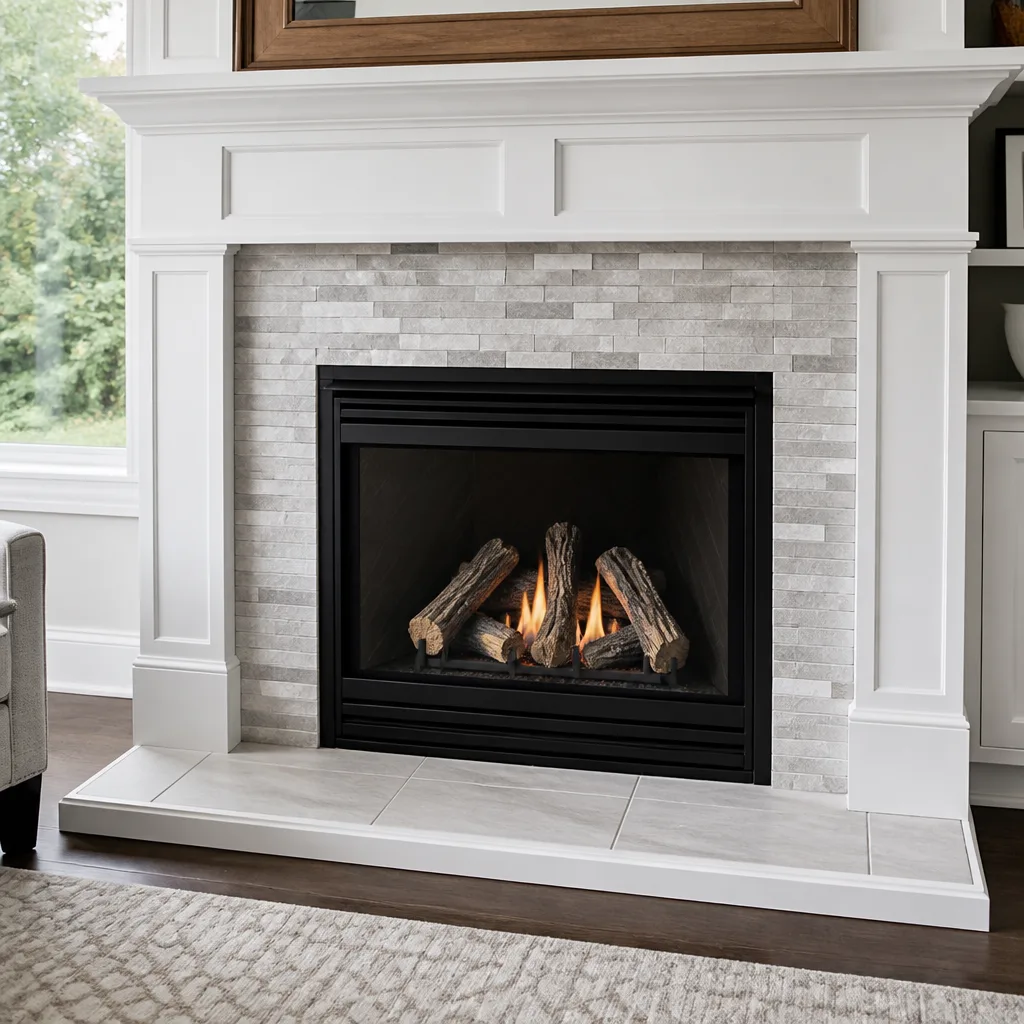 Gas fireplace service
Level 1 sweep and inspection to the NFPA 211 annual standard - flue, crown, cap, and flashing checked and photographed
Chimney sweep logs do not sweep chimneys. They loosen some creosote - which then falls where a brush and vacuum still have to collect it.
How to Hire a Chimney Cleaning Contractor in Alamo Square: A Step-by-Step Guide
The most common chimney problem in Alamo Square isn’t a crumbling flue or a damaged crown. It’s a homeowner paying for repairs that were never actually needed, recommended by a contractor who showed up with a brush kit, a flashlight, and a commission structure. California has no shortage of seasonal sweep crews working the winter rush, and the difference between a legitimate full-scope chimney specialist and a two-man operation that subcontracts structural work to whoever picks up the phone is not obvious from a Google listing or a well-designed website. This guide walks through how to vet a chimney contractor in Alamo Square the way a building inspector would, so you hire someone who can actually fix what they find, not just refer it out and bill you for the referral.
Styles & brands we work with
- Sweep & inspection
- Caps & crowns
- Flue relining
- Masonry repair
- Gas fireplace service
Quick Answer
To hire a chimney cleaning contractor in Alamo Square, verify California C-61/D-34 licensing and CSIA certification, ask whether the company performs structural repairs in-house or subcontracts them, request a written inspection report with camera documentation before approving any repair, and get a second opinion on any repair quote over $2,500. A legitimate contractor will explain findings in plain terms, put the full scope of work in writing before starting, and never pressure you into immediate repairs after a routine sweep.
Table of Contents
- Step 1: Verify California Licensing and CSIA Certification
- Step 2: Ask What the Company Actually Does In-House
- Step 3: Five Questions to Ask Before You Book
- Step 4: How to Read a Chimney Sweep’s Written Report
- Step 5: When and Why to Get a Second Opinion
- Step 6: What a Legitimate Job Proposal Must Include in Writing
- Common Mistakes to Avoid
- When to Call a Professional
- Frequently Asked Questions
- The Bottom Line
Step 1: Verify California Licensing and CSIA Certification
Before you let anyone onto your roof or into your firebox, confirm two credentials. The first is a California Contractors State License Board (CSLB) license under classification C-61, with a D-34 sub-classification for chimney and fireplace services. This is not optional in California. A contractor performing chimney cleaning or repair for a fee over $500 in labor and materials must hold this license. If the company cannot produce a CSLB number, or if the number doesn’t match the business name on their invoice, end the conversation.
The second credential is certification from the Chimney Safety Institute of America (CSIA). CSIA certification means the technician has passed written and hands-on exams covering fireplace and venting system inspection, cleaning methodologies, and code compliance. A CSIA-certified sweep is not the same as a CSIA-certified chimney inspector, but both represent formal training beyond the equipment-and-truck model. Ask for the certification number and verify it on the CSIA directory.
Here’s what each credential actually covers, and what it doesn’t:
- C-61/D-34 license: Legal authorization to perform chimney work in California. Covers sweeping, installation, and repair. Verify on the CSLB website. A valid license also means the contractor carries workers’ compensation insurance for employees, which matters if someone falls off your Alamo Square roof.
- CSIA certification: Technical training in chimney system inspection, code standards, and cleaning. Covers knowledge, not legal authorization. A CSIA-certified technician should be able to explain flue sizing, clearance requirements, and draft principles.
- Neither credential guarantees honesty. Both are table stakes. A licensed, certified contractor can still overcharge. But a contractor without them is a known risk you shouldn’t take.
In our experience working as a Chimney Sweep in Alamo Square, the homeowners who have the worst experiences almost always skipped this step. They hired on price or availability and only checked credentials after the fact, when a repair bill arrived that didn’t match what the written report actually said.
Step 2: Ask What the Company Actually Does In-House
The single most revealing question you can ask a chimney contractor is: “Who does your repair work?” Many cleaning crews in the Alamo Square market do not perform structural repairs at all. They sweep, they inspect, and if they find damage, they hand you a bid for work that will actually be performed by a third-party masonry or liner contractor, with a markup added on top.
This matters for two reasons. First, you’re paying a middleman. Second, and more importantly, the person selling you the repair is not the person accountable for whether the repair holds up. When a sweep subcontracts a liner installation, the warranty chain gets murky. If the liner fails, you’re chasing two companies instead of one.
A full-scope chimney specialist does the work with their own crew, their own materials, and their own warranty. That’s the model we operate under at Chimney Sweep Alamo Square home. We handle preventive sweeping, dryer vent cleaning, and structural repair under one roof. The person who diagnoses your chimney is the same company that fixes it.
Here’s how to separate the two models:
- Ask directly: “Do you perform structural chimney repair with your own employees, or do you subcontract?” Accept no hedging. The answer should be immediate.
- Listen for brand names. A company doing real repair work can name the liner systems and materials they use. If they say “we use whatever’s standard,” that’s not a good sign. Professional-grade operations work with specific systems like DuraFlex liner products, HeatShield resurfacing material, and components sourced from suppliers like Olympia Chimney or Copperfield. These are trade-only brands, not Home Depot stock.
- Ask about repair depth. Can they resurface a damaged flue with a system like HeatShield? Can they install a full stainless liner? Or are they limited to sweeping, cap replacement, and minor patchwork? The answer tells you whether “full service” is real or marketing.
Dryer vent cleaning sits in the same bucket. A surprising number of chimney companies won’t touch a dryer vent, even though a clogged dryer vent causes roughly 15,000 house fires per year in the United States. If a company claims to be a whole-home combustion safety resource but ignores the dryer vent, ask yourself what else they’re ignoring. We offer Dryer Vent Cleaning in Alamo Square as a core service, not an afterthought, because a blocked dryer duct is the same class of problem as a blocked chimney: airflow that carries heat and lint or creosote through a concealed passageway.
Step 3: Five Questions to Ask Before You Book
These five questions, asked before you schedule, will save you from the most common hiring mistakes in Alamo Square. A competent contractor answers all five without hesitation. A weak one deflects on at least two.
- “What does your inspection include, and will I see a written report?” The answer should include a camera inspection of the flue interior and a written report you keep. If they say “we’ll tell you what we see verbally,” that’s a red flag. A verbal-only inspection has no paper trail and no accountability.
- “If you find damage, who does the repair?” Subcontracting is common and not automatically disqualifying, but you need to know upfront. If work gets subbed out, you want the subcontractor’s name and license number before approving anything.
- “Do you carry general liability insurance and workers’ compensation?” In California, workers’ comp is legally required for any company with employees. General liability protects your property if something goes wrong. Ask to see certificates. A contractor who bristles at the question is telling you something.
- “Do you work with specific liner or repair materials?” A company that can name its liner brand (DuraFlex, for instance) and its repair system (HeatShield is a common professional choice) is doing real work. A company that says “whatever the job needs” without specifics may be buying retail parts at a supply house.
- “What’s your warranty on repair work?” Every legitimate contractor offers a written warranty on structural work. Five years on a liner installation is reasonable. Lifetime warranties on a $400 patch job are marketing. Get the warranty terms in writing before the job starts.
None of these questions are confrontational. A good Alamo Square contractor will appreciate that you’re asking them, because it means you’re a serious homeowner who isn’t going to call them back in three months demanding free work over a misunderstanding. A contractor who gets defensive on any of these questions is screening themselves out, which is exactly what you want.
Step 4: How to Read a Chimney Sweep’s Written Report
A thorough chimney inspection report reads like a condition assessment, not a receipt. It should tell you what was checked, what was found, and what needs action now versus what can wait. The language matters a lot. We’ve reviewed hundreds of reports from other companies in the course of doing Chimney Repair in Alamo Square, and the difference between a competent inspection and a boilerplate document is obvious once you know what to look for.
Here’s what a legitimate report should include:
- Specific measurements: Flue diameter, liner material, flue tile condition, mortar joint condition, chimney height. Numbers, not adjectives. “Flue shows significant deterioration” is weak. “Flue tiles cracked at joints 2, 4, and 7; mortar missing between tile face and flue wall from 5 to 12 feet above firebox” is specific.
- Camera or photo documentation: If the company claims damage, they should show you the damage. We include camera inspection and photo findings as a standard part of every sweep report. You should never be asked to approve a repair based on a verbal description of something you cannot see.
- Priority categorization: Findings should be sorted into immediate safety issues (blocked flue, disconnected liner, major creosote accumulation), routine maintenance items (repointing, cap replacement), and items to monitor (minor hairline cracking, normal wear). A report that treats everything as urgent is a sales document, not an inspection.
- Creosote measurement: The report should state creosote accumulation in measurable terms: light, moderate, or heavy glaze, ideally with location. Third-degree creosote (tar-like, hardened) is a real fire risk and justifies immediate cleaning. First-degree creosote (loose soot) is a normal maintenance sweeping condition.
Language that should raise suspicion: “recommended,” “should be done,” “for your safety” without any specifics attached. A real finding has a location, a measurement, and a consequence. “The flue liner is spalling at mid-height, which creates a draft restriction and a potential carbon monoxide risk” is an actionable finding. “Your chimney needs attention” is not. If a report will not commit to specifics, do not commit to a repair.
Step 5: When and Why to Get a Second Opinion
A second opinion on chimney repair is not an insult to the first contractor. It’s standard practice in the trades, for the same reason you’d get a second opinion on a medical diagnosis or a roof replacement. Any contractor who pressures you to approve repairs immediately after a routine sweep, or who implies that the deal is only good if you sign today, should be disqualified on that basis alone.
As a rule of thumb: any chimney repair quote over $2,500 deserves a second set of eyes. That threshold catches most liner replacements, full flue resurfacing, and structural masonry work, which are the three categories where we’ve seen the most unnecessary recommendations in the Alamo Square market; for typical pricing on these services, see our Chimney Cleaning Cost Breakdown: The Alamo Square Homeowner’s Reference for 2026.
Here’s how to handle a second opinion properly:
- Get the first contractor’s written report and photos. You paid for the inspection. The findings are yours.
- Contact a second licensed contractor and share the report. Ask them to do their own camera inspection and tell you what they find.
- Compare the two reports side by side. Do they agree on the core problem? If one contractor says the liner is failed and needs full replacement, and the second says the liner has moderate wear that can be addressed with resurfacing, that’s a meaningful disagreement that changes the work and the price dramatically.
- Do not tell the second contractor what the first quoted. Let them price the job independently. If their price is in the same ballpark, the first quote was probably fair. If their price is dramatically lower, ask why.
In our experience, most legitimate repair disagreements come down to differing standards rather than dishonesty. Some contractors will recommend replacement because they don’t have the capability to do a resurfacing job with a product like HeatShield. That’s not necessarily a lie, but it’s a limitation masquerading as a recommendation. A full-scope shop that can do both replacement and resurfacing has no incentive to talk you into a more expensive job than you actually need.
Step 6: What a Legitimate Job Proposal Must Include in Writing
California contractor law requires a written contract for any home improvement job exceeding $500. A proper chimney repair proposal should be detailed enough that you could hand it to a third party and they’d know exactly what was specified. Vague proposals protect the contractor if something goes wrong. Specific proposals protect you.
A legitimate job proposal should include, at minimum:
- Full scope of work: Not “repair chimney.” Rather, “Remove existing 8×12 clay tile liner. Install DuraFlex 6-inch stainless steel liner system with insulation wrap. Seal crown with waterproof membrane. Install Gelco stainless steel chimney cap.” That level of specificity is what professional work looks like on paper.
- Materials and brand names: You have a right to know what’s going into your chimney. Professional-grade components from suppliers like Olympia Chimney or Famco are not the same as generic parts from a big-box store. The brand names should be in the contract.
- Total price and payment schedule: In California, a contractor cannot collect more than 10% of the contract price or $1,000, whichever is less, as a down payment. Subsequent payments must be tied to work completion, not calendar dates. If the proposal asks for 50% upfront, that’s a violation of state law.
- Timeline: A reasonable window, not a promise. “Work to begin within 2-3 weeks of permit approval” is honest. “We’ll be there Tuesday” often isn’t.
- Warranty terms: Written, specific, and tied to the work. “Liner system warranted for 5 years against manufacturing defects and installation errors.” Not “fully guaranteed.”
- Change-order process: What happens if they open the chimney and find something unexpected? The contract should specify that additional work requires a written change order approved by you before proceeding.
- Contractor license number and contact information: The license number belongs on every page of the proposal. It’s a legal requirement in California and a quick way to verify legitimacy.
If a contractor won’t put repairs in writing before you sign, or the writing is deliberately vague, that’s a signal to move on. The best contractors we know write proposals that are boringly specific precisely because they’ve been burned by vague language before, and they know precise contracts prevent disputes.
Common Mistakes to Avoid
- Hiring on price alone. The cheapest sweep in Alamo Square is often the most expensive one by the time the repair bill lands. A $99 sweep special that “finds” $4,000 in necessary work is a well-established pattern in this market. Pay for a competent inspection, not a cheap one.
- Skipping the license check. We cannot overstate this. The CSLB website takes two minutes to search. Before you hand over your Alamo Square address and let someone onto your roof, verify the C-61/D-34 license is active and belongs to the company on the invoice.
- Approving repairs without seeing camera evidence. You would never approve a car repair without seeing the broken part. Your chimney is no different. If the contractor cannot show you photos or video of the damage, do not authorize the work.
- Believing a “lifetime warranty” without reading the terms. Lifetime warranties almost always contain exclusions that render them useless in practice. Read what’s actually covered, for how long, and by whom. A five-year written warranty from a company that does its own work is worth more than a lifetime warranty from a subcontractor you’ll never meet.
- Hiring a generalist handyman for chimney work. Chimney systems involve draft, clearance, combustion gases, and carbon monoxide. A handyman who can fix a fence is not qualified to assess flue liner condition or install a venting system. The stakes are too high for generalist work.
- Ignoring the dryer vent. If your chimney contractor doesn’t also check your dryer vent, they’re ignoring the leading cause of dryer fires in American homes. A clogged dryer vent is a combustion safety issue that belongs in the same conversation as a dirty chimney flue.
- Signing the same day under pressure. Any contractor who tells you a deal expires if you don’t sign today is running a sales operation, not a trade business. Legitimate chimney work doesn’t have flash sales. Get the written proposal, compare quotes, and decide on your own timeline.
When to Call a Professional
Some situations require a trained chimney technician, not a DIY attempt. If you see smoke backing into the room instead of drafting up the flue, that signals a serious draft or blockage issue. A strong burnt odor in the house even when the fireplace isn’t in use often means creosote or debris is trapped somewhere it shouldn’t be. If you notice flaking masonry, a rusted damper, or water staining around the hearth or ceiling near the chimney, the system needs an inspection before you use it again. And if you cannot remember the last time the chimney was cleaned and you’ve burned more than a couple dozen fires in it, it’s overdue. A blocked or damaged flue can push carbon monoxide back into living space, and a heavily creosote-lined flue is a chimney fire waiting to happen. Chimney Sweep Alamo Square offers free estimates in Alamo Square. Call (833) 620-7061 and we’ll inspect the system, show you what we find on camera, and explain what needs attention now versus what can wait.
Frequently Asked Questions
A standard chimney sweep in the Alamo Square area typically runs between $180 and $350 for a standard single-flue fireplace, though the price climbs if the flue has heavy creosote glaze, if the chimney is unusually tall, or if the inspection uncovers repairs that need to be quoted separately. We recommend you confirm whether the quoted price includes the camera inspection and written report, because not every company includes those by default. Call (833) 620-7061 for an exact quote, and our estimates are free.
The National Fire Protection Association standard is to have the chimney inspected at least once a year and cleaned as needed, regardless of how often you use the fireplace. Even occasional fires produce creosote, and birds, weather, and time can introduce blockages. We typically recommend an annual sweep for regular fireplace users, and at minimum an annual inspection if you burn infrequently; for more on timing, see our Seasonal Chimney Cleaning Care for Alamo Square: Year-Round Homeowner’s Guide.
It depends entirely on what the camera inspection shows. A liner with minor cracking at the joints can often be addressed with a resurfacing system like HeatShield, which seals and restores the interior surface without a full replacement. A liner with extensive spalling, collapsed tiles, or fire damage usually requires a full stainless liner installation, like a DuraFlex system. The only honest answer comes from photos you can see for yourself, which is why we never recommend a liner decision without camera evidence in hand.
Creosote accumulates, and creosote is fuel. A chimney fire can reach 2,000 degrees and crack the flue liner, melt the damper, and spread to the house framing. Less dramatically, a partially blocked flue can push carbon monoxide back into the living space. Neither outcome is worth the price of a sweep. The risk is real but it’s also manageable: an annual inspection catches the problem before it catches you.
A sweep cleans what’s there. A full-scope specialist cleans, inspects, and repairs what’s there, with the same crew and the same accountability. The difference shows up when the inspection finds a damaged liner or a failing crown, and you learn whether your contractor can actually fix the problem or just refer it out. We built our business around having that capability in-house, which is why a single call covers the sweep, the vent, and the repair.
In most cases, yes. A proper chimney cap keeps rain, animals, and debris out of the flue, and those are the three leading causes of preventable chimney damage. A purpose-built cap from a professional supply line, like the Gelco products we stock, is engineered for the flue size and will outlast a generic hardware-store cap. We include cap recommendations in every inspection report, and we’ll tell you plainly if your current cap is fine and doesn’t need replacing.
The Bottom Line
Hiring a chimney cleaner in Alamo Square comes down to verification and specificity. Verify the C-61/D-34 license and CSIA certification before anyone sets foot on your property. Ask directly whether repair work is performed in-house or subcontracted, and pay attention to whether the contractor can name their liner systems and repair materials. Read the inspection report for measurements and photo documentation, not adjectives and urgency. Get a second opinion on any repair over $2,500, and insist on a written proposal that names materials, brands, warranty terms, and a payment schedule that complies with California law. The right contractor will welcome every one of these questions, because they’re the same questions a serious professional asks themselves. For more guides & resources on chimney care, explore our blog. The wrong contractor will find a reason to avoid them. That distinction is the entire hiring process in one sentence.
Contact Chimney Sweep Alamo Square at (833) 620-7061 for a free estimate on a sweep, inspection, or repair evaluation. We explain what we find in plain terms before anything gets touched.
Written by the team at Chimney Sweep Alamo Square, serving Alamo Square since 2011.
See the difference
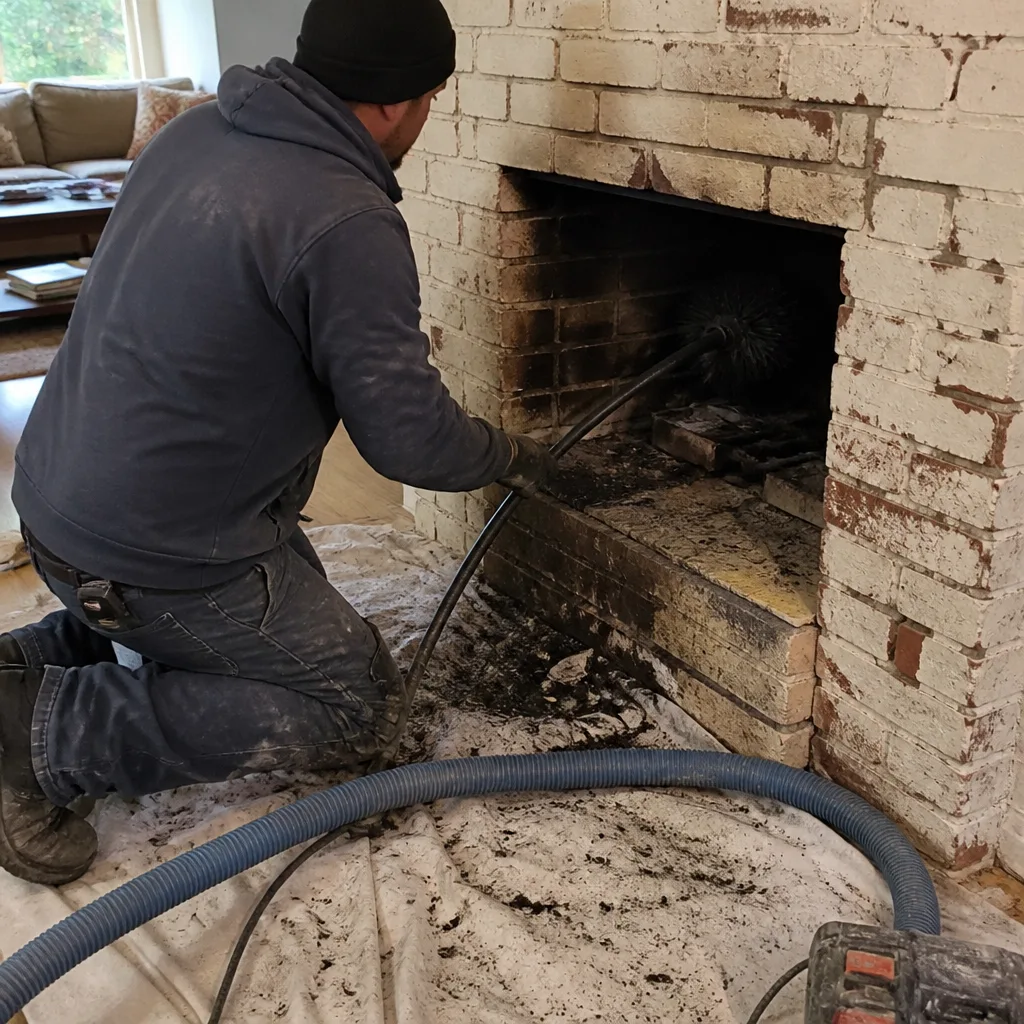 Before
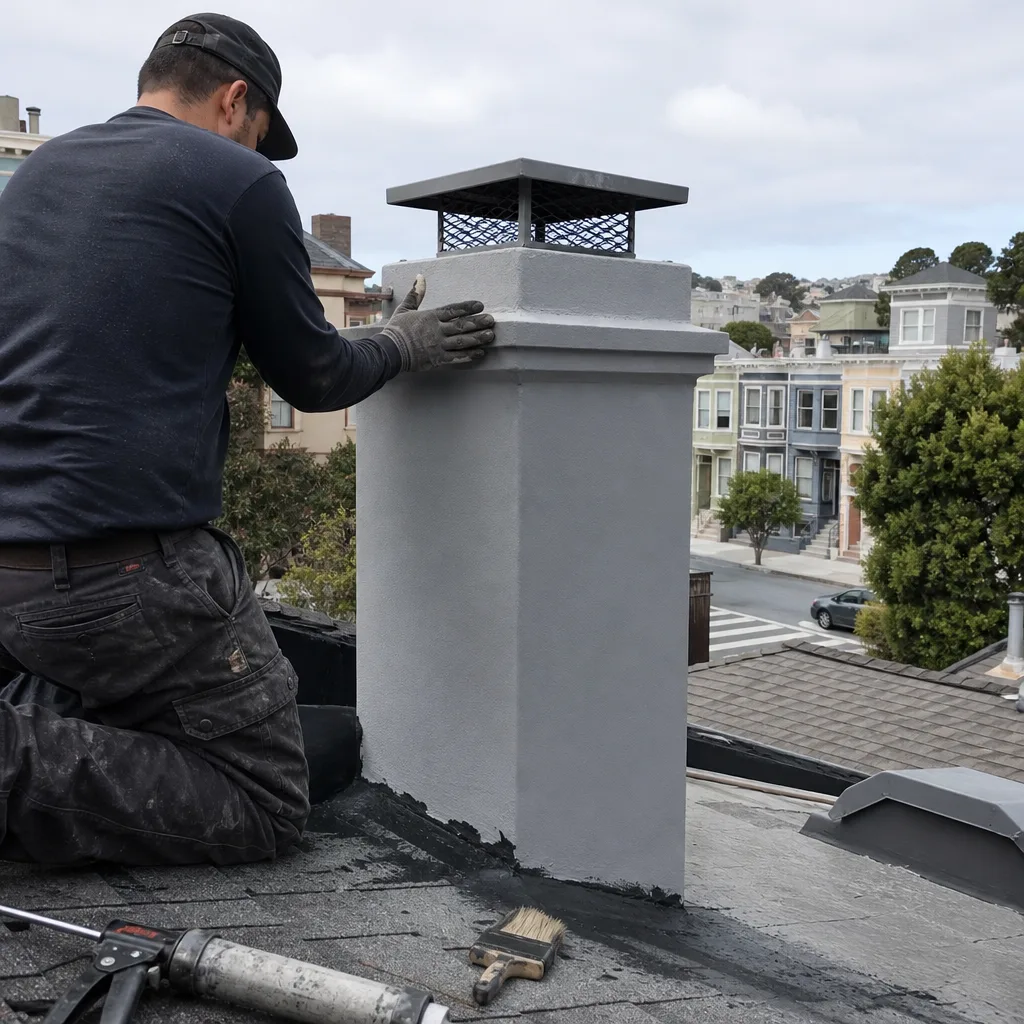 After
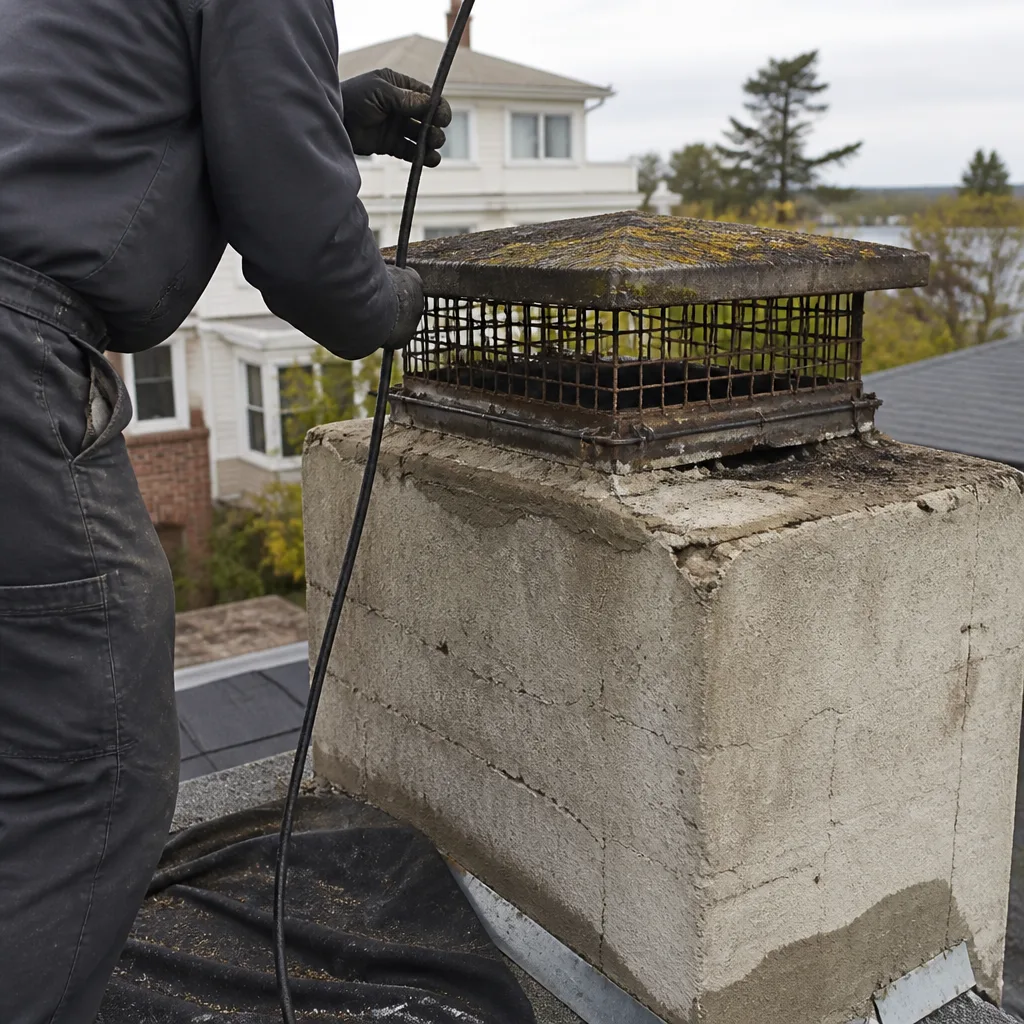 Before
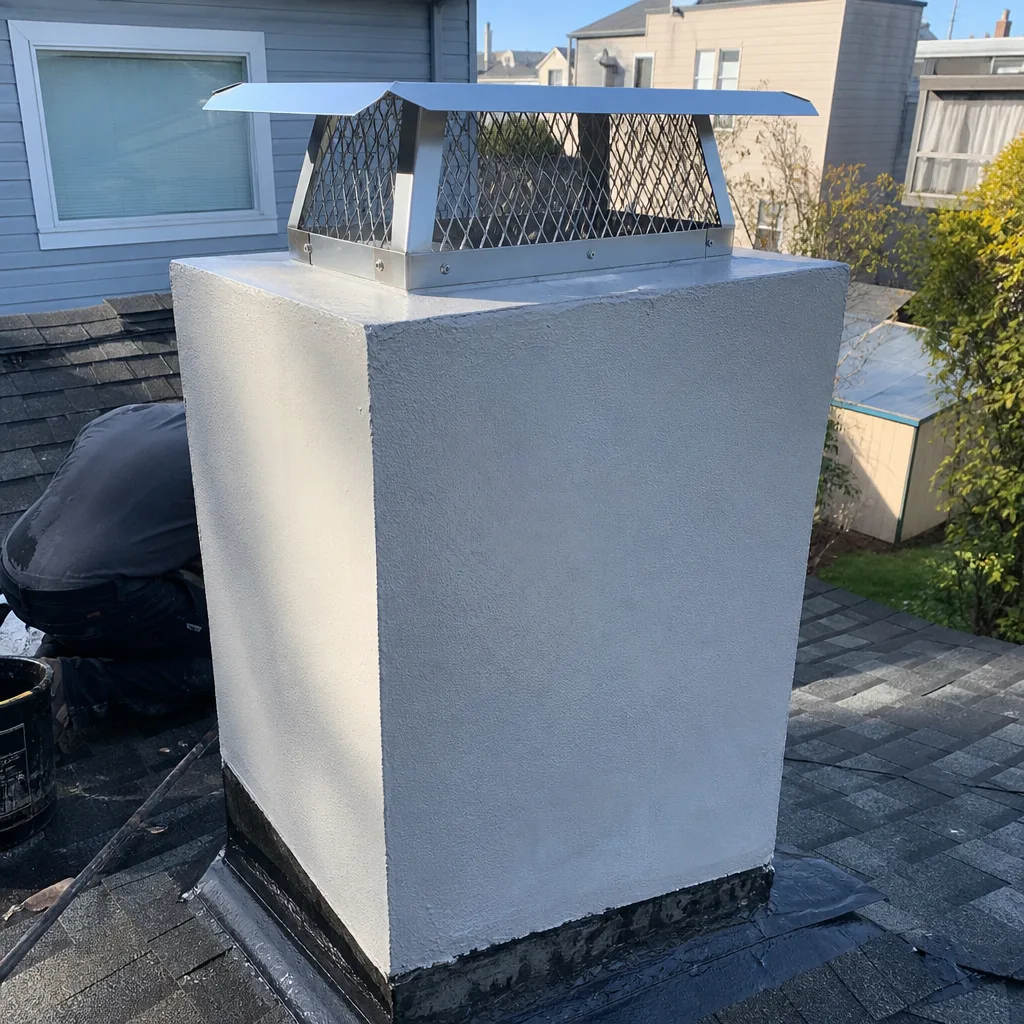 After
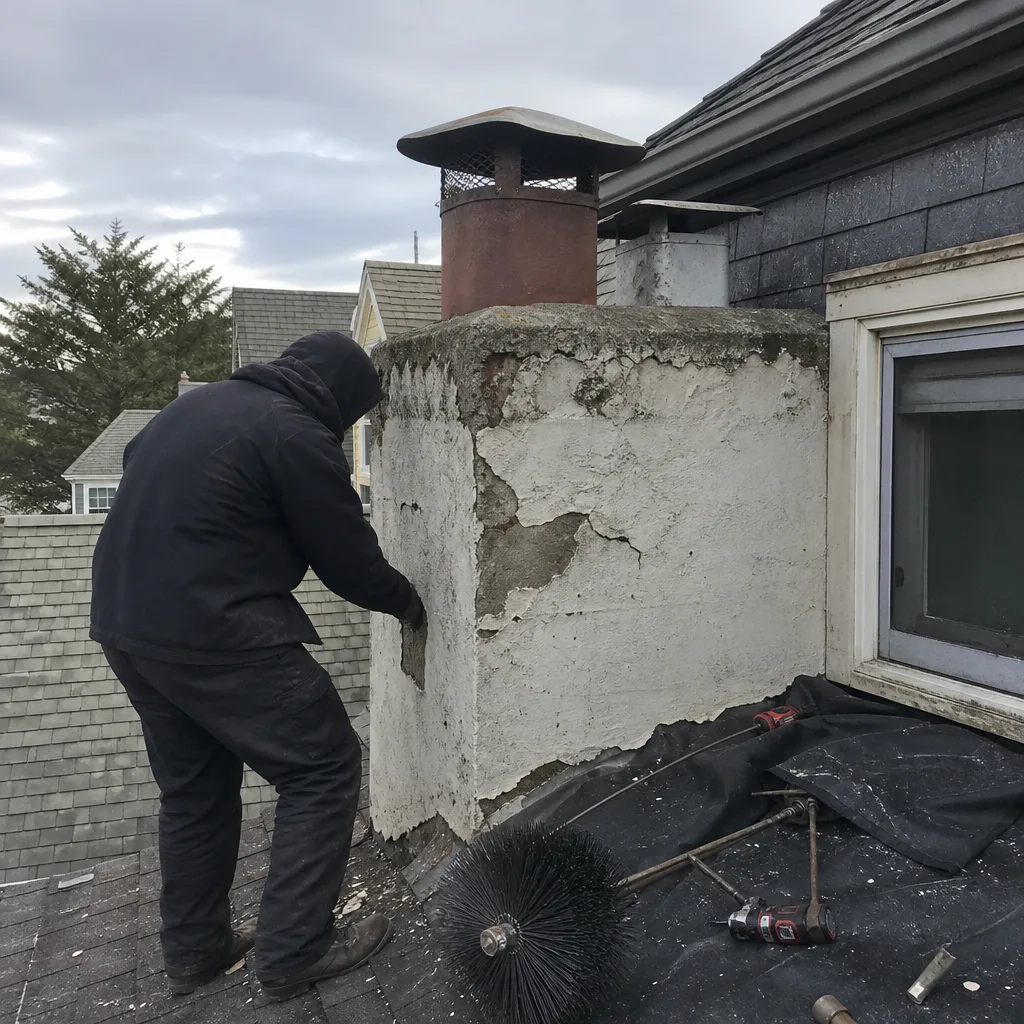 Before
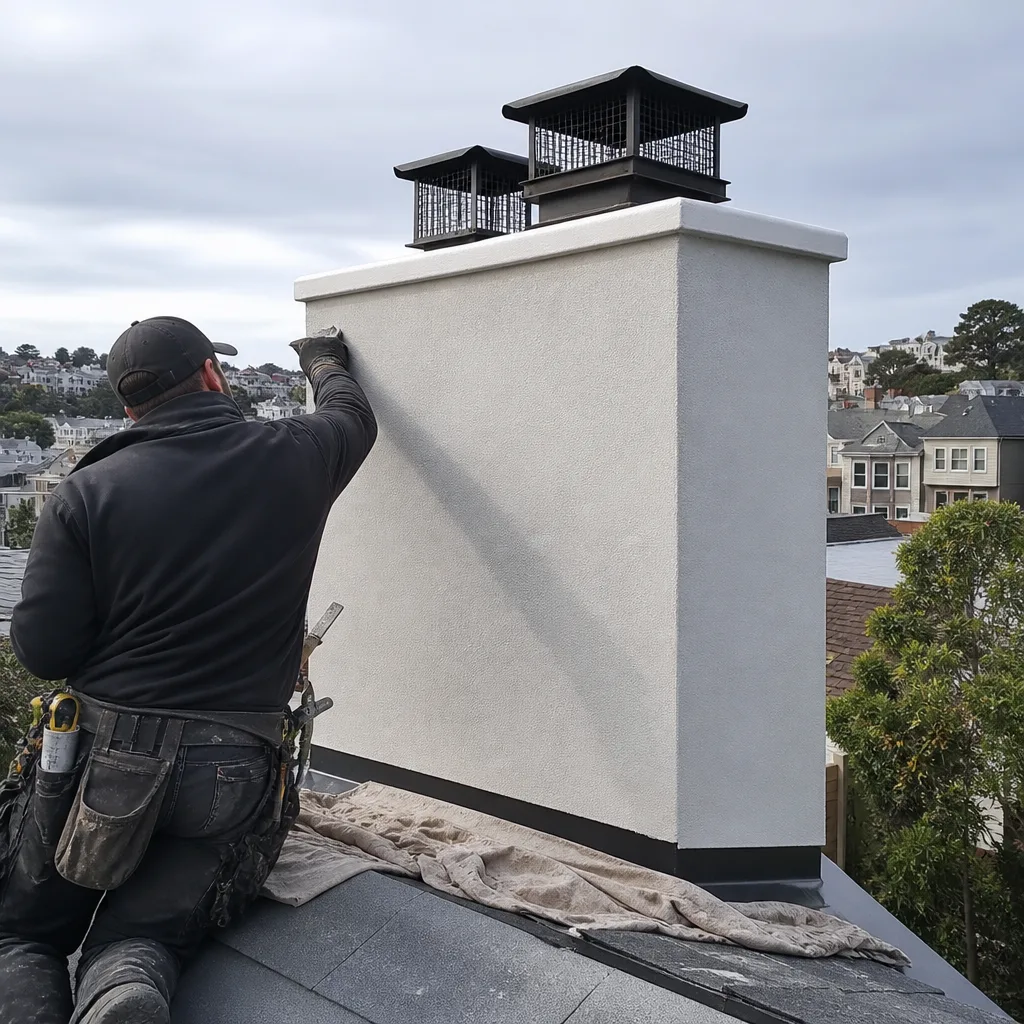 After