
Last updated November 2, 2026
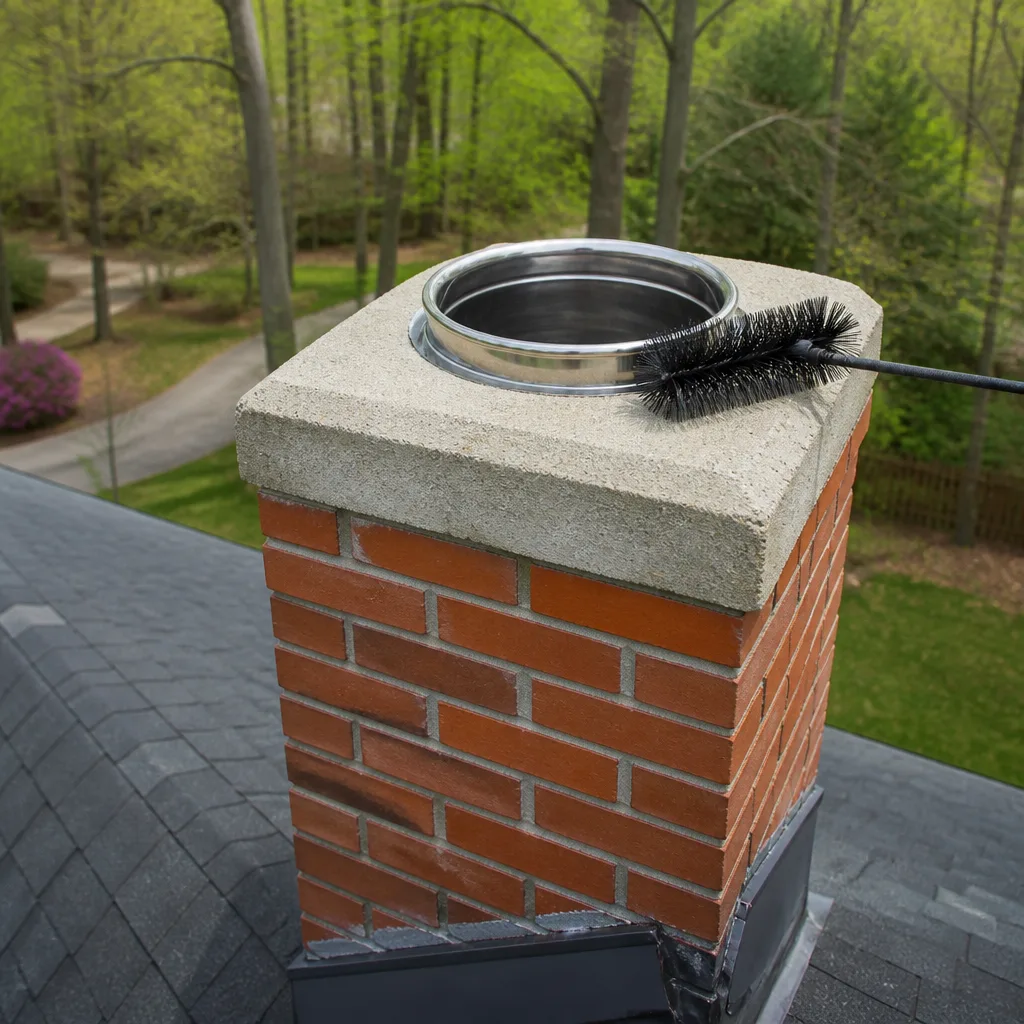 Sweep & inspection
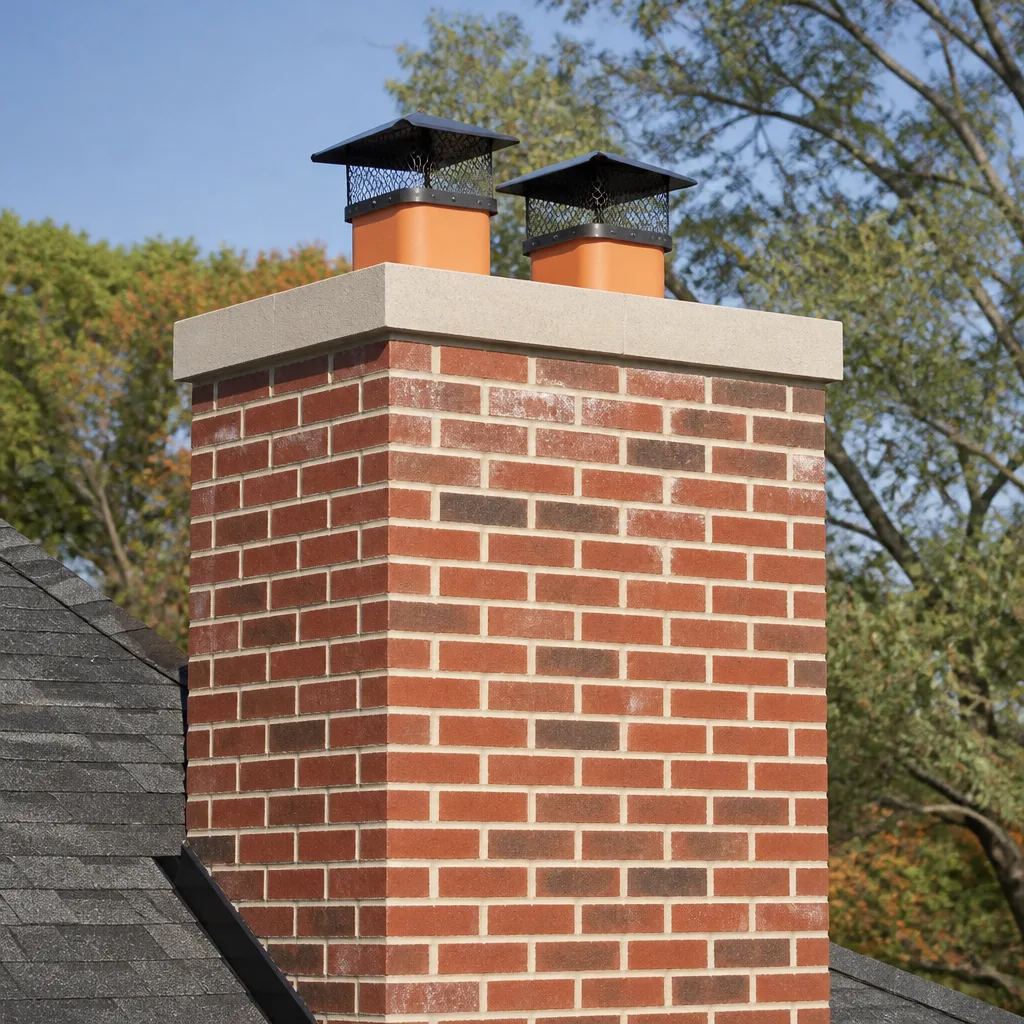 Caps & crowns
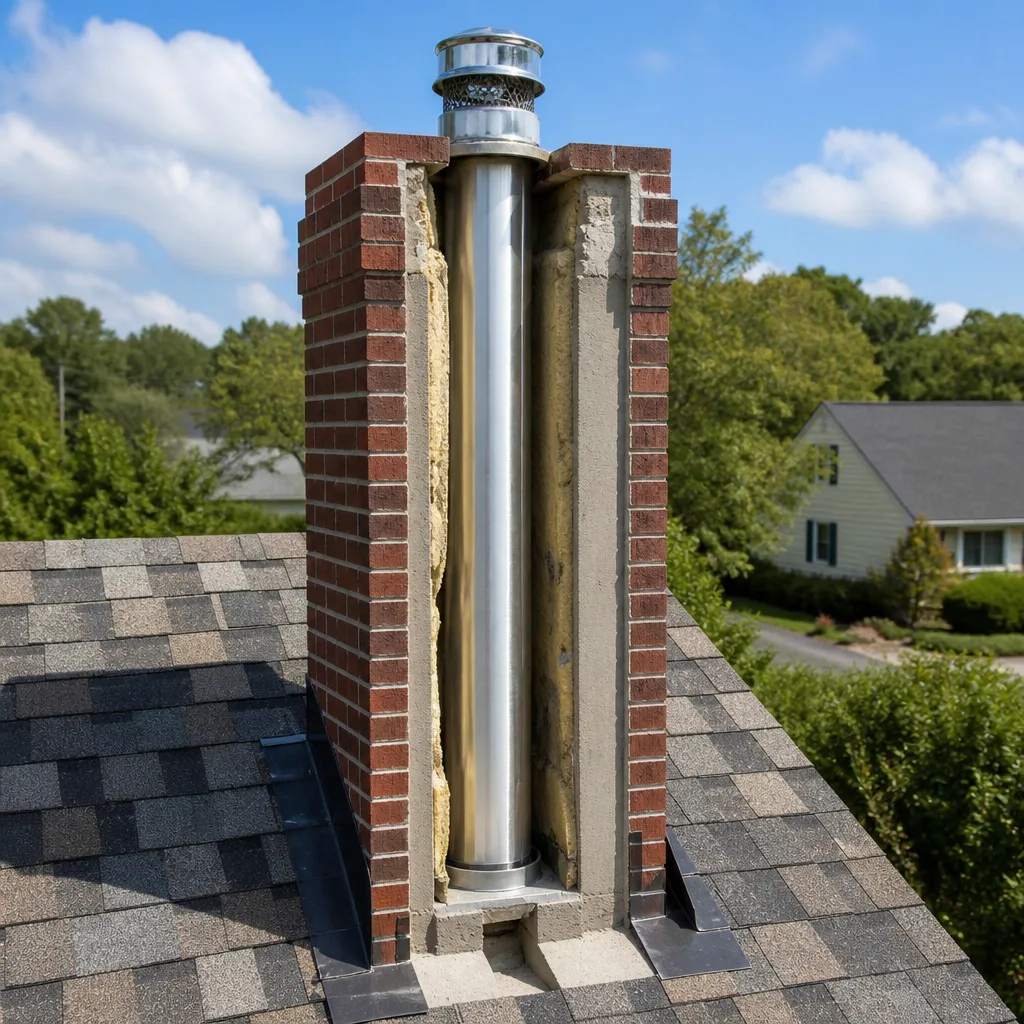 Flue relining
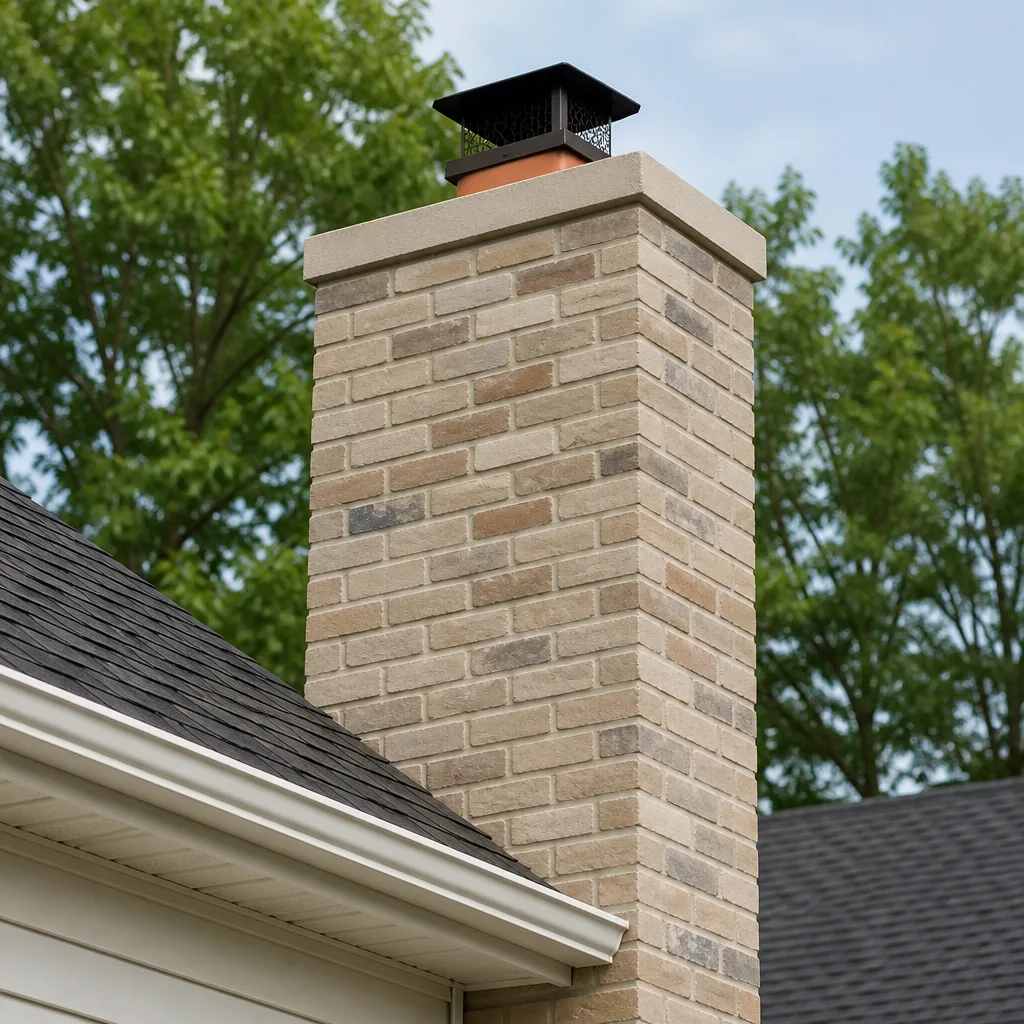 Masonry repair
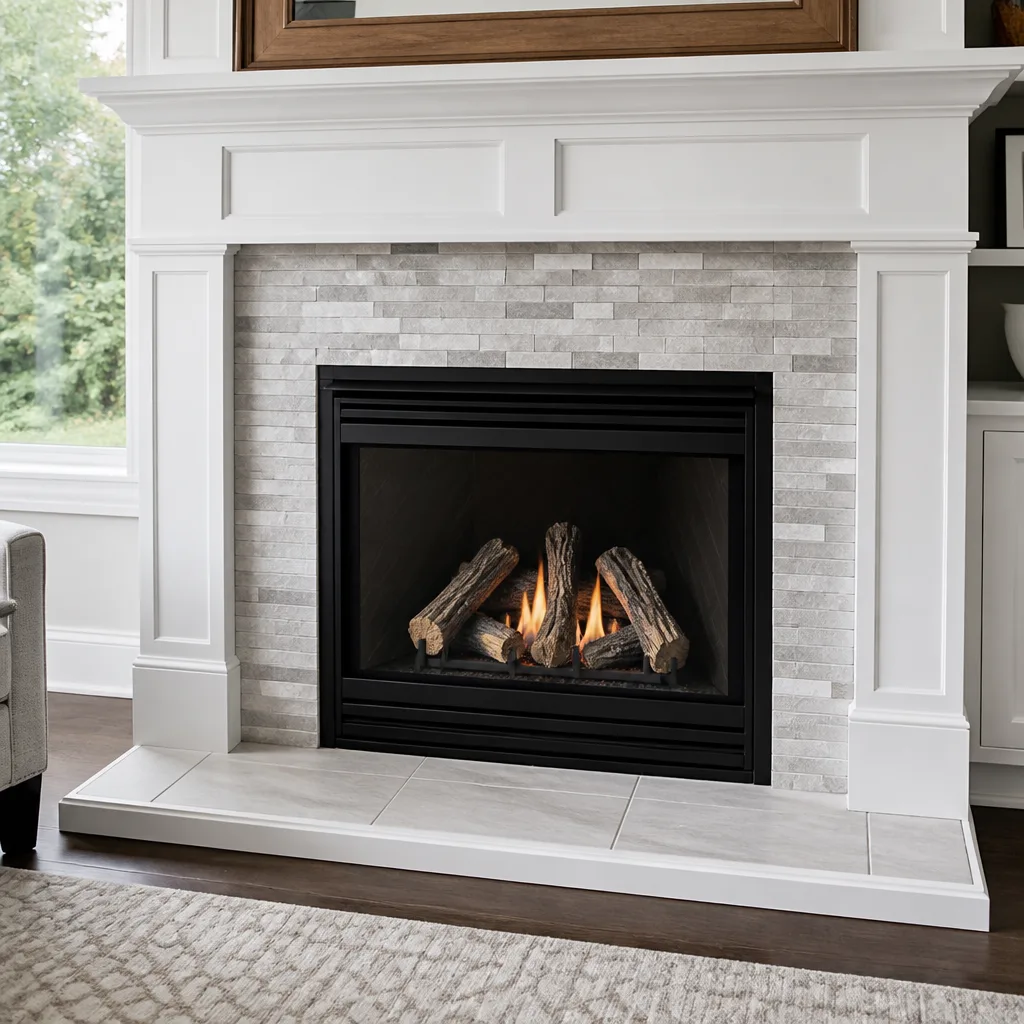 Gas fireplace service
Level 1 sweep and inspection to the NFPA 211 annual standard - flue, crown, cap, and flashing checked and photographed
Chimney sweep logs do not sweep chimneys. They loosen some creosote - which then falls where a brush and vacuum still have to collect it.
Chimney Cleaning Emergency Preparedness Guide for Alamo Square Homes
A chimney fire burns at over 2000°F and can travel through cracked tile to adjacent framing in under four minutes. In a shared-wall Victorian in Alamo Square, that’s not just your problem. It’s your neighbor’s problem too. Most homeowners only think about their chimney when something goes wrong. By then, the first five minutes decide whether you’re dealing with a scary moment or a structural fire. This guide walks through the three chimney emergencies most likely to affect Alamo Square homes, the pre-season prep that makes them survivable, the in-the-moment responses that prevent escalation, and the post-event documentation that protects your insurance claim and your neighbors.
Styles & brands we work with
- Sweep & inspection
- Caps & crowns
- Flue relining
- Masonry repair
- Gas fireplace service
Quick Answer
Chimney emergency preparedness for Alamo Square homes means doing three things before burning season: getting an annual chimney sweep and inspection, installing and testing carbon monoxide detectors on every floor, and knowing exactly how to shut down your fireplace and alert neighbors in the first five minutes of a flue fire. A chimney fire sounds like a freight train or loud rumbling, often accompanied by dense smoke and intense heat from the fireplace opening. If you hear that sound, close the damper if you can do so safely, evacuate immediately, and call 911 from outside.
Table of Contents
- Why Alamo Square Homes Face Unique Chimney Risk
- The Anatomy of a Chimney Emergency: What’s Actually Happening
- Pre-Season Emergency Prep: What to Have, Where to Put It, How to Shut Down Fast
- Flue Fire: How to Identify One and What to Do in the First Five Minutes
- Carbon Monoxide Events: When the Chimney Is the Problem, Not the Appliance
- Structural Collapse Risk: Warning Signs You Can’t Afford to Ignore
- Post-Emergency Documentation: What to Record Before the Repair Crew Arrives
- Shared-Wall Neighbor Protocols: Why Early Communication Matters in Alamo Square
- Common Mistakes to Avoid
- When to Call a Professional
- Frequently Asked Questions
- The Bottom Line
Why Alamo Square Homes Face Unique Chimney Risk
Alamo Square’s housing stock is dominated by Victorians and Edwardians built between 1880 and 1910. These homes share more than ornate facades. They share walls, floor joists, and in some cases, chimney stacks that serve multiple units. A chimney fire in one unit can spread through a shared flue or compromised mortar joint into the framing of the house next door within minutes.
We’ve worked on Alamo Square chimneys where the flue tiles were original to the home. That means creosote has been accumulating in clay tile liners for over a century in some cases. Clay tile liners crack over time due to thermal stress, moisture intrusion, and minor seismic events. Once a hairline crack forms, it becomes a pathway for heat and gases to reach combustible framing. The problem isn’t visible from the outside. The mortar crown looks fine. The brick looks fine. Inside the flue, the story is different.
Dense urban housing also changes the math on emergency response. In a detached single-family home with setbacks, a chimney fire that escapes the flue might take longer to reach neighboring structures. In Alamo Square, the row-house configuration means that escaped heat finds adjacent wood framing quickly. That’s not fear-mongering. That’s physics. And it’s why this neighborhood warrants a more disciplined approach to chimney maintenance – see our Chimney Cleaning Warning Signs: An Alamo Square Homeowner’s Reference Guide – than a rural or suburban setting might.
This guide builds on the same principles we apply during every Chimney Sweep in Alamo Square visit: know what’s inside your flue before you light the first fire of the season, and have a plan for what happens if something goes wrong despite good maintenance.
The Anatomy of a Chimney Emergency: What’s Actually Happening
Chimney emergencies fall into three categories. You should understand the mechanism of each because the correct response differs.
Flue fire. Creosote, a byproduct of wood combustion, condenses on the cooler walls of the chimney liner. It’s a tarry substance that hardens into a glaze over repeated heating cycles. Fresh creosote is flaky and removable with standard sweeping tools. Glazed creosote is a different substance entirely, hard, shiny, and chemically concentrated. When internal flue temperatures reach roughly 1000°F, glazed creosote can ignite. The resulting fire burns at 2000°F or higher. That heat is intense enough to crack clay tile liners, warp stainless steel liners, and ignite wood framing that sits as little as two inches from the exterior of the flue in some Victorian-era construction.
Carbon monoxide event. Carbon monoxide is produced by incomplete combustion. A properly drafting chimney pulls CO and other combustion gases up and out. A blocked flue, a failed damper, negative air pressure in the home, or a cracked liner that leaks into wall cavities can all send CO back into living spaces. Unlike a flue fire, which announces itself with sound and smell, a CO event is silent. It builds gradually. Symptoms at low levels look like the flu. At high levels, unconsciousness comes quickly. The chimney is a common culprit that gets overlooked because people assume their furnace or water heater is the source.
Structural failure risk. Chimneys are fragile structures. The mortar that holds bricks together erodes over decades of exposure to rain, wind, and thermal cycling. The crown, which is the concrete cap at the top, develops cracks that let water in. That water freezes, expands, and pushes bricks apart. In a seismic zone like San Francisco, even minor earthquakes accelerate this process. A chimney that has lost structural integrity can partially collapse during a storm or earthquake. The risk is highest in the upper portion of the chimney, above the roofline, where it’s fully exposed and difficult to inspect from the ground.
Each of these emergencies has a different signature, a different immediate response, and a different post-event path. The sections below walk through each in detail.
Pre-Season Emergency Prep: What to Have, Where to Put It, How to Shut Down Fast
Most emergency preparedness advice for homeowners focuses on earthquake kits and fire extinguishers. Those matter. But chimney-specific prep is rarely covered, and it can be done in a single afternoon.
What to Have On Hand
- A working dry chemical fire extinguisher rated for Class A (wood and paper) and Class C (electrical) fires, mounted on the wall within 10 feet of the fireplace but not directly next to it. You want to reach it without reaching through flames.
- Heat-proof fireplace gloves that extend to the elbow. If you need to close a damper or a glass door during an emergency, bare hands won’t work.
- A metal ash bucket with a tight-fitting lid. Embers from a flue fire can produce embers, and if you’re removing any unburned material after an incident, it goes in the metal bucket, never in a paper bag or plastic bin.
- Carbon monoxide detectors on every sleeping floor, placed at least 15 feet from the fireplace to avoid false readings, and tested monthly. Replace the batteries on a set schedule, twice a year works for most households.
- A printed emergency contact sheet taped inside a kitchen cabinet door, not saved in a phone. It should list 911, the fire department non-emergency line, your chimney sweep’s phone number, and your insurance agent’s number. In a panic, you won’t scroll through contacts.
How to Shut Down a Fireplace Fast
- Close the glass doors if your fireplace has them. This starves the firebox of oxygen but does not stop an active flue fire above the damper.
- Close the damper only if you can do so without reaching into the firebox. The damper handle should be operable from outside the fireplace opening. If it’s not, skip this step.
- Do not throw water on a chimney fire. The thermal shock can crack the liner and masonry, turning a contained fire into a structural problem. Water also creates steam, which can carry burning material further into the home.
- Evacuate everyone from the home. Do not go back for pets, phones, or anything else. The fire department has the training and gear to handle what’s happening inside the flue.
These steps take about 30 seconds when you’ve rehearsed them. Rehearse them once before burning season starts. Walk through the motion of reaching for the extinguisher, closing the glass doors, and walking out the door. It sounds excessive until you’re doing it for the first time with a chimney roaring overhead.
We recommend the same seasonal checklist we give to every Chimney Sweep Alamo Square home client: sweep and inspect before the first fire, test detectors, review the shut-down sequence. Ten minutes of preparation makes the emergency response automatic.
Flue Fire: How to Identify One and What to Do in the First Five Minutes
You will hear a chimney fire before you see it. The sound is most commonly described as a freight train, a loud rumbling, or a deep roar coming from the chimney. Some people compare it to a jet engine at low altitude. The sound is produced by massive volumes of air being pulled into the fire, which acts like a blowtorch inside the flue. If you hear that sound and you have a fire burning in the fireplace, assume it’s a flue fire.
Visually, you may see dense, dark smoke pouring from the chimney top. You may also see flames shooting several feet above the chimney cap. From inside, the fireplace may feel intensely hot, and you may notice the brick or stone around the fireplace opening radiating heat that wasn’t there before. In the early stages, there may also be a distinct smell, like hot tar or burning asphalt, as the creosote ignites.
First five minutes:
- Stay calm and act in sequence. The five-minute window matters, but flailing doesn’t help. Move deliberately.
- Close the glass fireplace doors if you have them. This reduces oxygen available to the firebox fire, which is the fuel source feeding the flue fire.
- Close the damper if the handle is safely accessible. This cuts off air flow to the flue. Do not reach into the firebox.
- Evacuate everyone from the home. Do not stop to grab valuables. Do not investigate further. Get out.
- Call 911 from outside the home. Tell the dispatcher you have an active chimney fire. This is different from a room fire, and the fire department needs to know so they bring the right approach.
- Alert immediate neighbors if you share a wall with them. In Alamo Square, a flue fire in one unit can spread through shared framing. Tell them to evacuate as a precaution and wait for the fire department to assess.
After the fire is out, do not use the fireplace again until a qualified chimney professional has inspected the entire system. A flue fire often causes hidden damage: cracked tiles, damaged mortar joints, warped dampers, and compromised liner sections. Some of this damage is only visible with a camera inspection. This is also where repair scope matters. A Chimney Repair in Alamo Square assessment should include a camera run through the full flue length, not just a visual check from the roof or firebox. If the liner is compromised, options range from spot repair with a system like HeatShield to full relining with a DuraFlex liner system, depending on what the camera shows.
Carbon Monoxide Events: When the Chimney Is the Problem, Not the Appliance
Carbon monoxide poisoning from a gas furnace or water heater is well understood. The chimney as the source is less commonly discussed, and it should be, because the mechanism is different and the fix is different.
Here are the chimney-specific CO scenarios we’ve encountered:
- Blocked flue. A bird nest, fallen masonry debris, or a collapsed liner section blocks the flue. Combustion gases from a wood fire or a gas appliance can’t exit, so they back up into the home. This can happen suddenly, even if the chimney was fine the previous week.
- Cracked clay tile liner. Gases leak through cracks into wall cavities and floor spaces. The CO doesn’t enter the room directly from the fireplace, which means a detector in the same room as the fireplace might not register it. This is why placement matters.
- Negative pressure. Tight homes with strong kitchen exhaust fans, bathroom fans, or a whole-house fan running can reverse the draft in a chimney. The chimney becomes an air intake instead of an exhaust. This pulls CO back down the flue and into the living space.
- Shared flue failure. In some older Alamo Square buildings, multiple units vent into a single flue. If one unit’s liner fails, gases can enter another unit through gaps in the shared masonry.
CO detector placement relative to the fireplace matters more than most people realize. Detectors should be installed on every sleeping floor, at least 15 feet away from the fireplace to avoid nuisance alarms from normal combustion byproducts. A detector too close to the fireplace will alarm constantly. A detector too far from the fireplace may not catch a slow leak that’s concentrated near the fireplace opening. Follow manufacturer guidance on placement height as well, since CO disperses evenly in air, unlike smoke which rises.
If your CO detector alarms, treat it as an emergency even if nobody feels sick. Evacuate, call 911, and do not go back inside until the fire department has confirmed safe levels. After the event, the Chimney Sweep in Alamo Square team should inspect the flue before you use the fireplace again. We often find that the CO source is a chimney issue the homeowner’s furnace technician never checked because they only looked at the appliance.
Structural Collapse Risk: Warning Signs You Can’t Afford to Ignore
Chimney collapse is the least discussed chimney emergency, partly because it’s rare and partly because the warning signs are easy to dismiss as cosmetic issues. In San Francisco’s seismic environment, ignoring these signs is a gamble with steep consequences.
Warning signs:
- Mortar joints that are recessed or missing. Run your finger along a mortar joint. If the mortar crumbles to the touch, the chimney has lost bond strength. This is called spalling, and it’s progressive.
- Cracks in the chimney crown. The crown is the concrete slab at the top of the chimney. It’s the first line of defense against water. Cracks let water into the flue and the masonry, which accelerates deterioration from the inside out.
- Rusted out chimney cap or missing cap entirely. Without a cap, rain goes directly down the flue. Wet creosote is acidic and attacks the liner. Wet masonry freezes and cracks. The cap is not optional in this climate.
- Visible lean. If you can detect a lean from the ground, the chimney has already moved significantly. Structural failure is not imminent in every case, but it requires immediate professional assessment.
- Falling brick or mortar debris. If you find brick fragments or mortar crumbs on the roof, in the yard, or on the sidewalk near the chimney base, material is actively failing.
The repair path depends on the severity. For masonry issues, the repair scope ranges from repointing mortar joints to partial rebuilds above the roofline. For liner issues, HeatShield resurfacing can restore the flue’s integrity without a full rebuild in many cases. For full relining, a DuraFlex liner system provides a continuous stainless steel pathway from firebox to cap. Products from Olympia Chimney and Famco supply the professional-grade components that make these repairs durable. Hardware-store substitutes exist, and they fail faster. In our experience, the chimney caps and dampers we source through Copperfield outperform the generic alternatives sold at retail because they’re built to trade specifications rather than price points.
During a major earthquake, an already-weakened chimney is a falling hazard to people below. In Alamo Square, where sidewalks are narrow and houses sit close to the street, a partial chimney collapse during a quake becomes a public safety issue. The time to address structural weakness is before the shaking starts.
Post-Emergency Documentation: What to Record Before the Repair Crew Arrives
After any chimney-related emergency, documentation protects your insurance claim and helps the repair crew do a better job. Here’s what to record, in order of importance.
- Photos and video of the firebox, the damper, and the exterior chimney. Shoot from multiple angles. Include close-ups of any visible damage: cracked brick, soot staining, warped dampers, melted or damaged liner material if visible. Do not attempt to climb on the roof. Ground-level photos are sufficient for initial documentation.
- The condition of the fireplace doors, mantle, and surrounding walls. Heat from a flue fire can damage surfaces several feet from the firebox. Document anything that looks scorched, discolored, warped, or smoke-stained.
- Your insurance policy details. Have your policy number and claims contact information ready before you call. Know whether your policy covers chimney fires, CO incidents, and structural damage. Some policies have specific exclusions for chimney-related claims.
- A written timeline. Note the date, time, what you observed, and what actions you took. Include the sound, the smell, the visual cues, and how long it took the fire department to arrive if they were called. Memory fades fast after an emergency. Written notes made the same day are more credible than recollections made weeks later.
- Photos of any creosote present. If the fire department removed material from the firebox or flue, photograph what’s left. Glazed creosote looks like shiny black glass. Flaky creosote looks like crumbly dark flakes. The distinction matters for the repair assessment.
The repair crew will ask questions. What kind of fire were you burning? How often do you use the fireplace? When was the last sweep? Did anything change recently, like a new appliance or a renovation? Answering these questions accurately helps us determine the cause and the appropriate repair scope. We explain what we find, in plain terms, before we touch anything. If the camera inspection shows damage that can wait, we’ll say so. If it shows damage that needs immediate attention, you’ll see the evidence on the screen with us.
For insurance purposes, the camera inspection record is one of the most valuable pieces of documentation you can provide. It shows exactly what happened inside the flue, in a format that an adjuster can review.
Shared-Wall Neighbor Protocols: Why Early Communication Matters in Alamo Square
Alamo Square’s Victorian row houses share more than walls. They share air space in some cases, and they share fire risk in nearly all. Here’s what to do about neighbor communication before, during, and after a chimney emergency.
Before the season starts: Tell your immediate neighbors when you plan to have your chimney swept. This is not just courtesy. If your chimney shares a flue or a common masonry structure with a neighbor’s chimney, a sweep on one side can dislodge debris that affects the other side. Early communication also builds the habit of checking in on shared chimney structures. It’s common for two adjacent homes in Alamo Square to share a chimney stack. What happens in one flue can affect the other.
During an emergency: If you have an active chimney fire and you share a wall with anyone, alert them immediately. Knock on their door, call them, do whatever gets their attention fastest. Tell them to evacuate as a precaution. The fire department will determine whether the shared structure is safe, but waiting for that determination before telling neighbors costs precious minutes.
After an event: Let your neighbors know what happened, what the fire department found, and what repairs are planned. If your chimney fire damaged a shared masonry structure, the repair scope may affect their chimney as well. This is where having a single contractor assess both sides makes sense. One call covers the sweep, the vent, and the repair, and a shared-wall assessment is more efficient when one crew evaluates the entire structure rather than two crews working from two different houses.
In a dense urban environment like this one, a chimney emergency is not a private event. Treating it as a shared problem from the start protects everyone.
Common Mistakes to Avoid
- Throwing water on a chimney fire. This is the single most dangerous mistake. Water hitting hot masonry and hot creosote creates steam, which can crack the liner and spread burning material. The correct response is to close the damper if safe, evacuate, and call 911.
- Assuming a CO alarm is a false alarm because nobody feels sick. CO poisoning at low to moderate levels produces symptoms that mimic the flu: headache, fatigue, nausea. You may not feel anything at all in the early stages. Treat every CO alarm as real.
- Waiting for visible damage before scheduling a chimney sweep. Creosote accumulation and liner cracks are invisible from the outside of the chimney. By the time damage is visible, the system has already failed. Annual sweeping catches the problem while it’s cheap to fix.
- Replacing a chimney cap with a generic hardware store version. The cap is a critical component, not a cosmetic accessory. Cheap caps rust through in a few years and allow rain into the flue. We install caps sourced through Copperfield and Olympia Chimney because they’re built to professional specifications. It’s a small price difference for a component that protects the entire system.
- Using the fireplace after a flue fire without an inspection. This is how second fires happen. The first fire may have cracked the liner or damaged the damper without any visible evidence from the firebox. Only a camera inspection can confirm the flue is sound.
- Hiring a generalist handyman for chimney repairs. Chimney systems are not general carpentry. Masonry, liner systems, and draft dynamics require specialized knowledge. A repair that looks fine from the exterior can be dangerously wrong inside the flue.
- Not telling neighbors about a chimney emergency in a shared wall building. The minutes spent notifying a neighbor may be the difference between a contained incident and a multi-unit fire. In Alamo Square, this is not optional.
When to Call a Professional
Chimney Sweep Alamo Square offers free estimates in Alamo Square, and there are specific situations where a professional assessment should happen without delay. Call (833) 620-7061 if you experience any of the following: an active chimney fire, a CO detector alarm that cannot be attributed to a known appliance issue, visible masonry damage including crumbling mortar or falling debris, water entering the fireplace or chimney chase, or a noticeable change in fireplace performance such as smoke backing up into the room or a persistent odor. If you’ve purchased a home and don’t know the chimney’s service history, that’s also a reason to schedule an inspection before the first fire. We cover the full scope, from sweeping and Dryer Vent Cleaning in Alamo Square to structural repair, so a single call can address whatever the inspection turns up.
Frequently Asked Questions
A standard chimney sweep and inspection in Alamo Square typically costs between $200 and $400, depending on the chimney’s height, the amount of creosote buildup, and whether the system includes any accessibility challenges. Homes with heavy glazed creosote or animals in the flue may fall at the higher end. Call (833) 620-7061 for an exact quote. Estimates are free.
You don’t. Not until someone looks inside the flue with a camera. A sweep removes creosote and debris. A repair addresses structural problems like cracked liners, failed dampers, or deteriorated masonry. The camera inspection during a sweep reveals whether repair is needed. We show you what we find and explain it in plain terms before recommending any work.
The National Fire Protection Association standard is annually for wood-burning fireplaces, regardless of how often you use them. A fireplace used twice a year still accumulates creosote and can become a bird or rodent nesting site. Gas fireplaces vented through a chimney should also be inspected annually, though they typically require less frequent sweeping.
No. A chimney fire can cause hidden damage to the liner, the damper, and the surrounding masonry even when the firebox looks untouched. The only way to confirm the flue is safe is a camera inspection. Using the fireplace without that confirmation risks a second fire in a now-compromised system.
An emergency is an active fire, a CO alarm, or visible structural failure. A normal problem is smoke backing up occasionally, a mild odor, or slow draft. The first three require immediate action: evacuate, call 911, and get the system inspected. The second three still warrant a professional visit, but they can be scheduled on a normal timeline.
Most homeowners policies cover chimney fires as part of the fire coverage, but coverage for chimney repairs depends on the cause. Repairs from sudden events like a fire or an earthquake are typically covered. Repairs from gradual deterioration, such as mortar erosion or liner cracking over time, are often classified as maintenance and excluded. Check your policy language and document everything after any incident.
The Bottom Line
A chimney emergency in Alamo Square is preventable in most cases, and survivable in the rest. The prevention path is straightforward: sweep and inspect annually, test your CO detectors monthly, know your shut-down sequence, and address structural issues before they become failures. The survival path is equally simple: hear the freight train sound, close the damper if safe, get out, call 911, tell your neighbors. After the event, document everything and get a camera inspection before using the fireplace again. We see the difference between chimneys that are maintained and chimneys that are neglected every week. The maintained ones give us a clean flue and a short report. The neglected ones give us glazed creosote, cracked liners, and a repair conversation that could have been avoided. One call covers the sweep, the vent, and the repair. Start this season with the flue cleaned and the plan in place.
Written by the team at Chimney Sweep Alamo Square, serving Alamo Square since 2011.
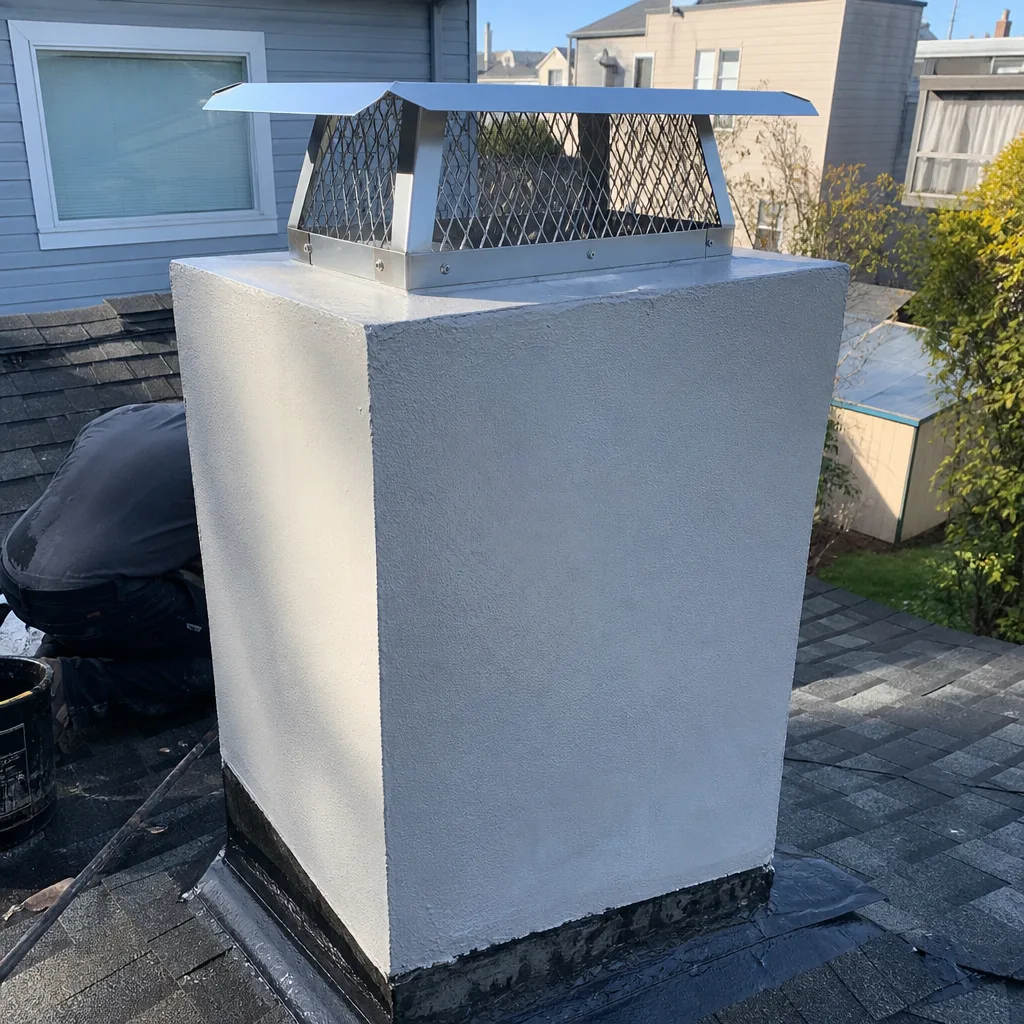
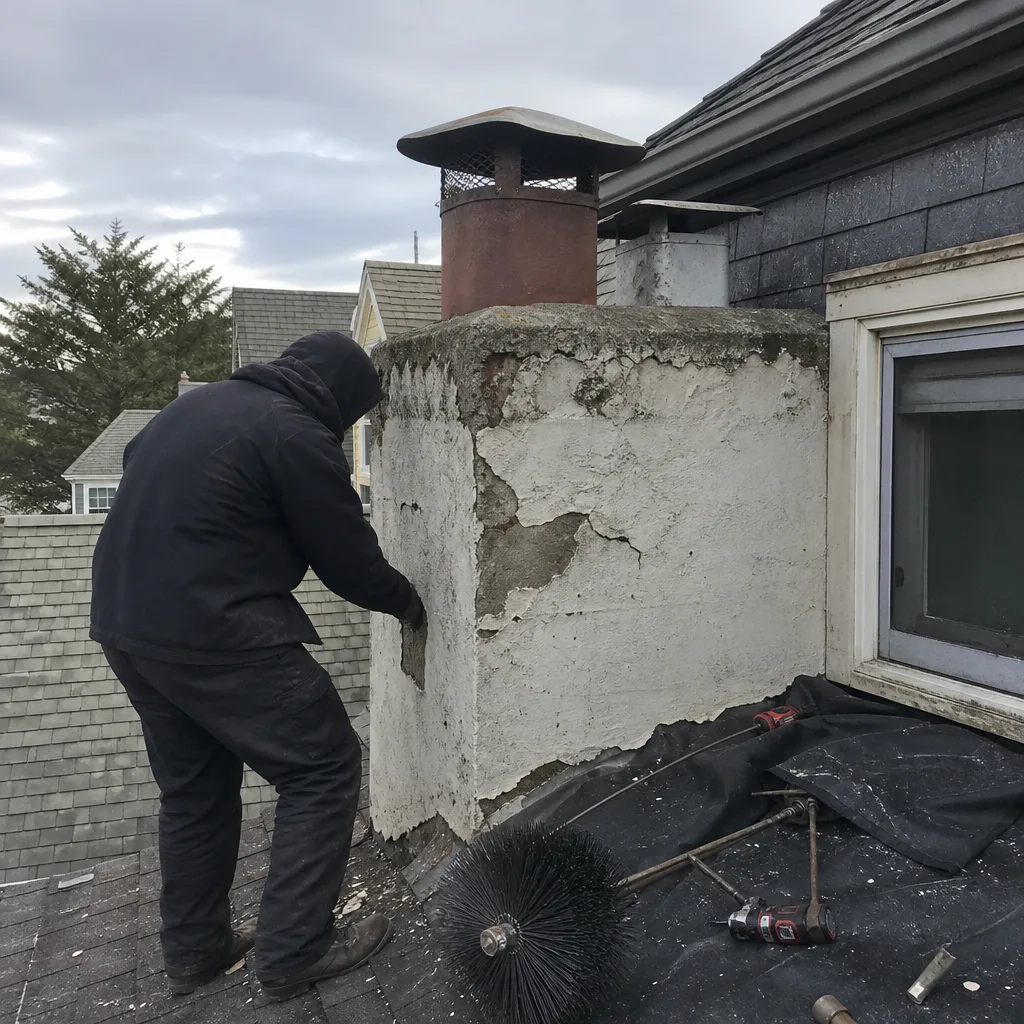
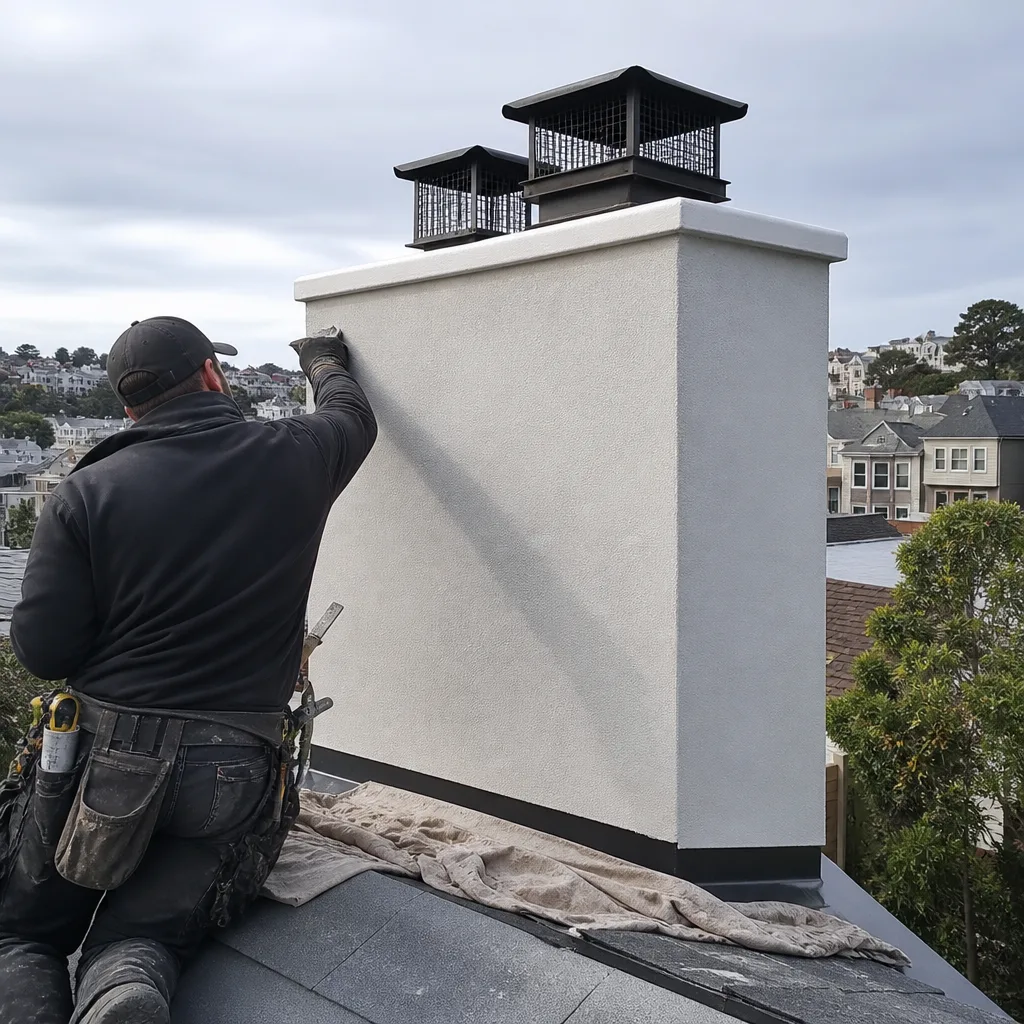
See the difference
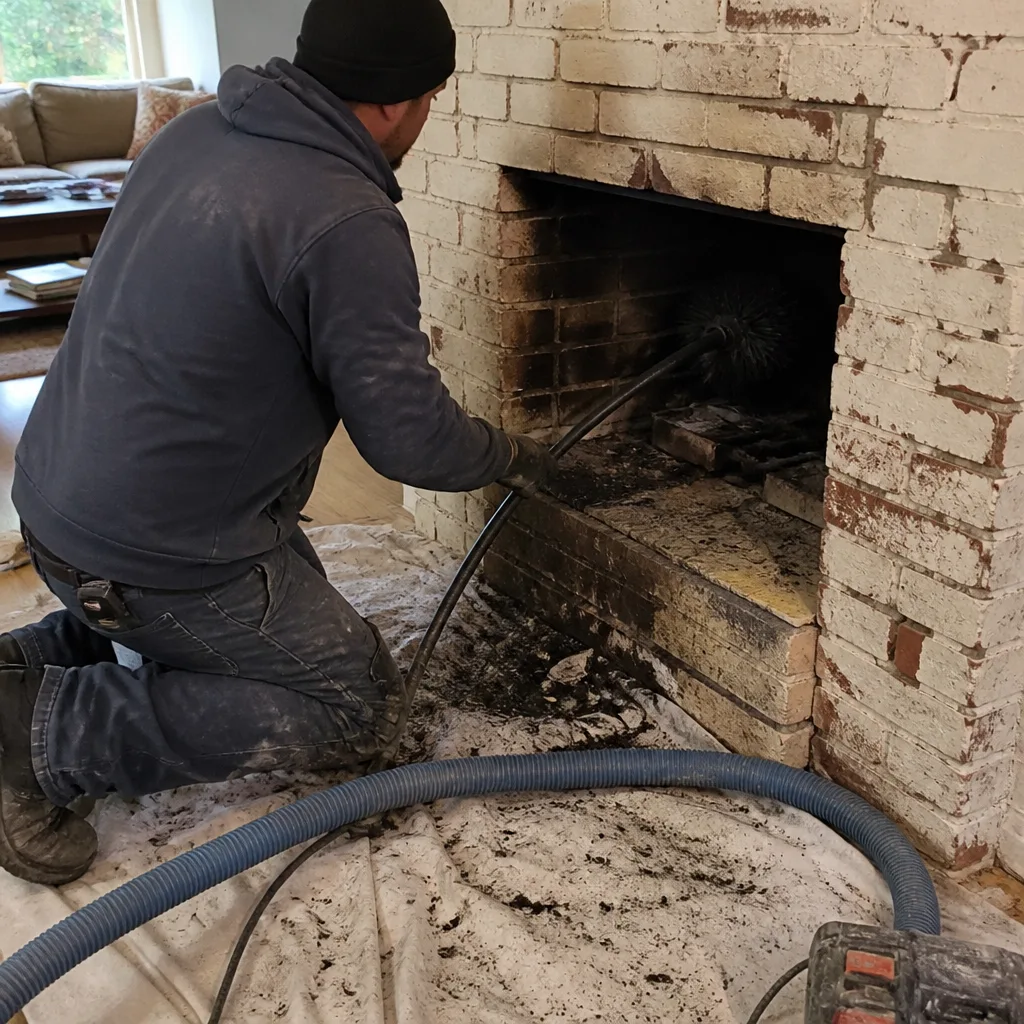 Before
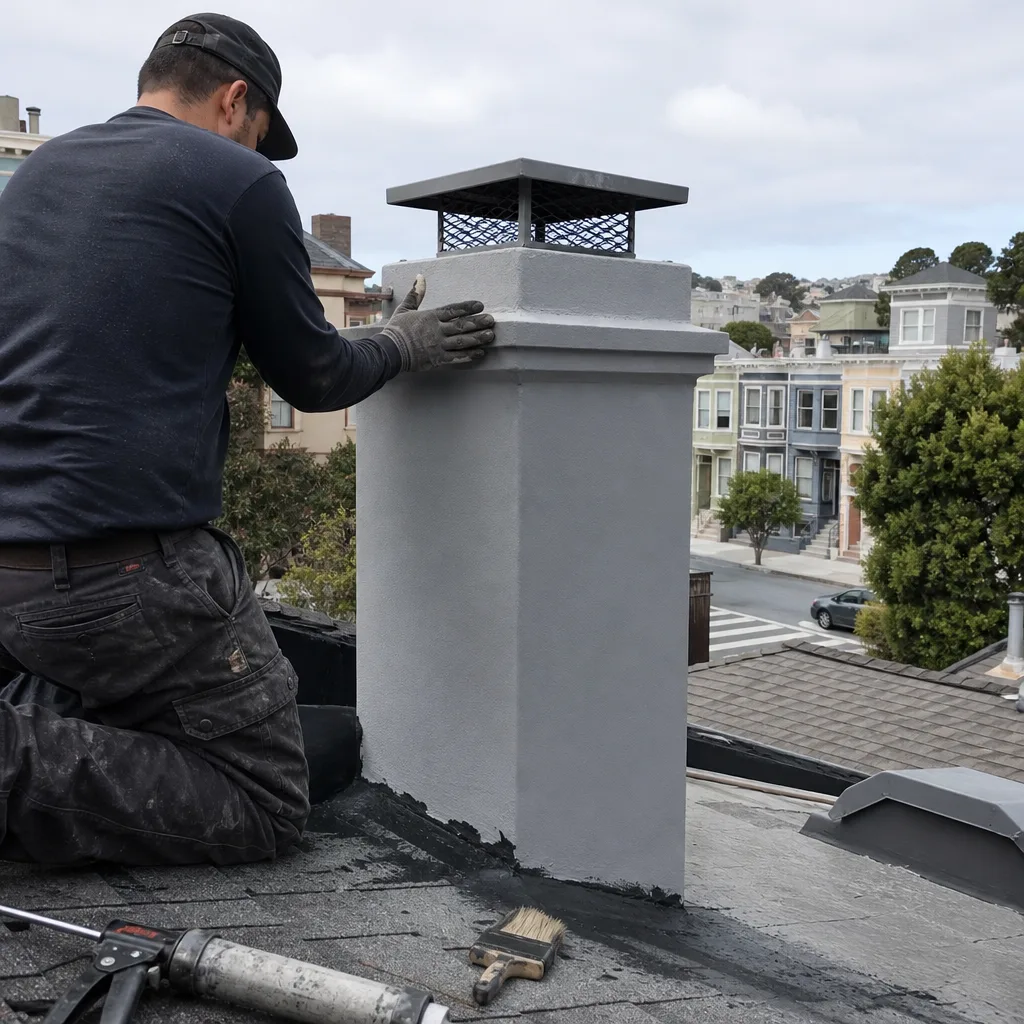 After
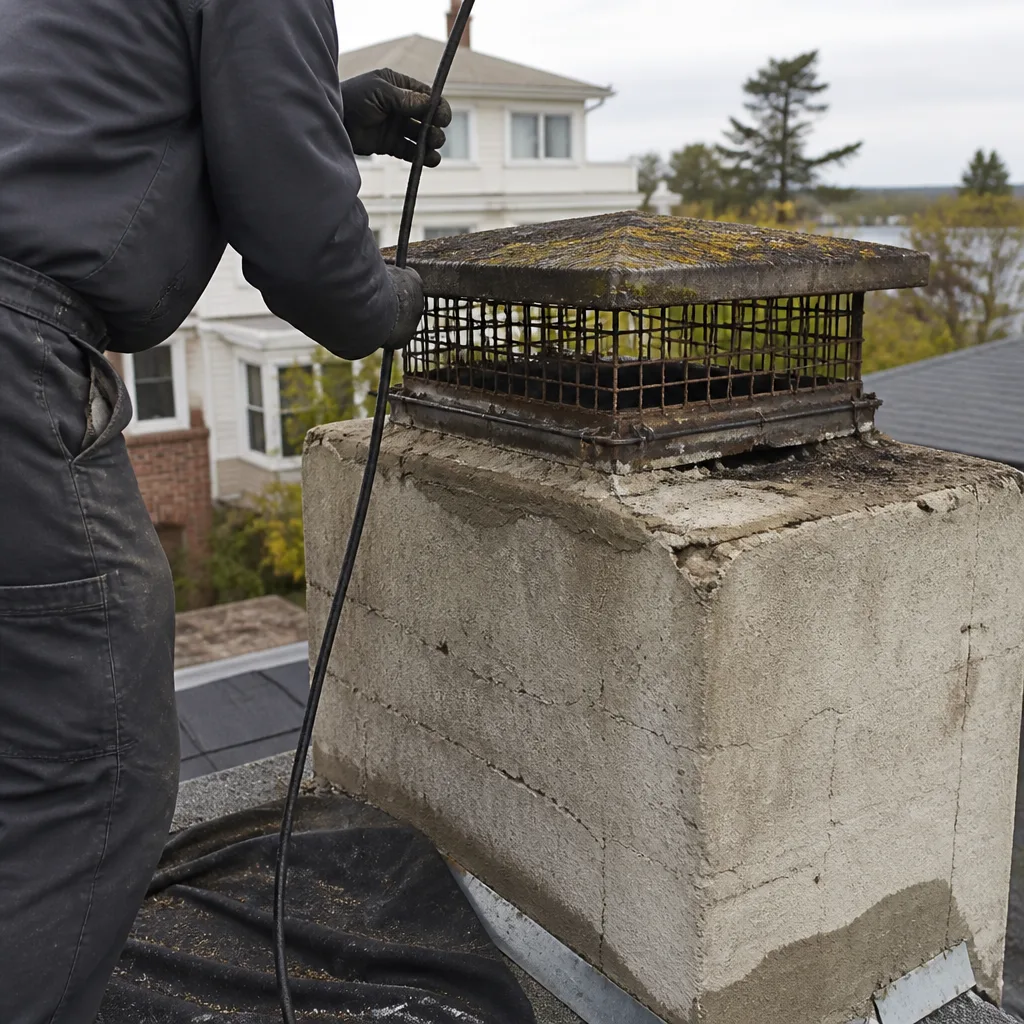 Before
 After
 Before
 After