
Last updated November 2, 2026
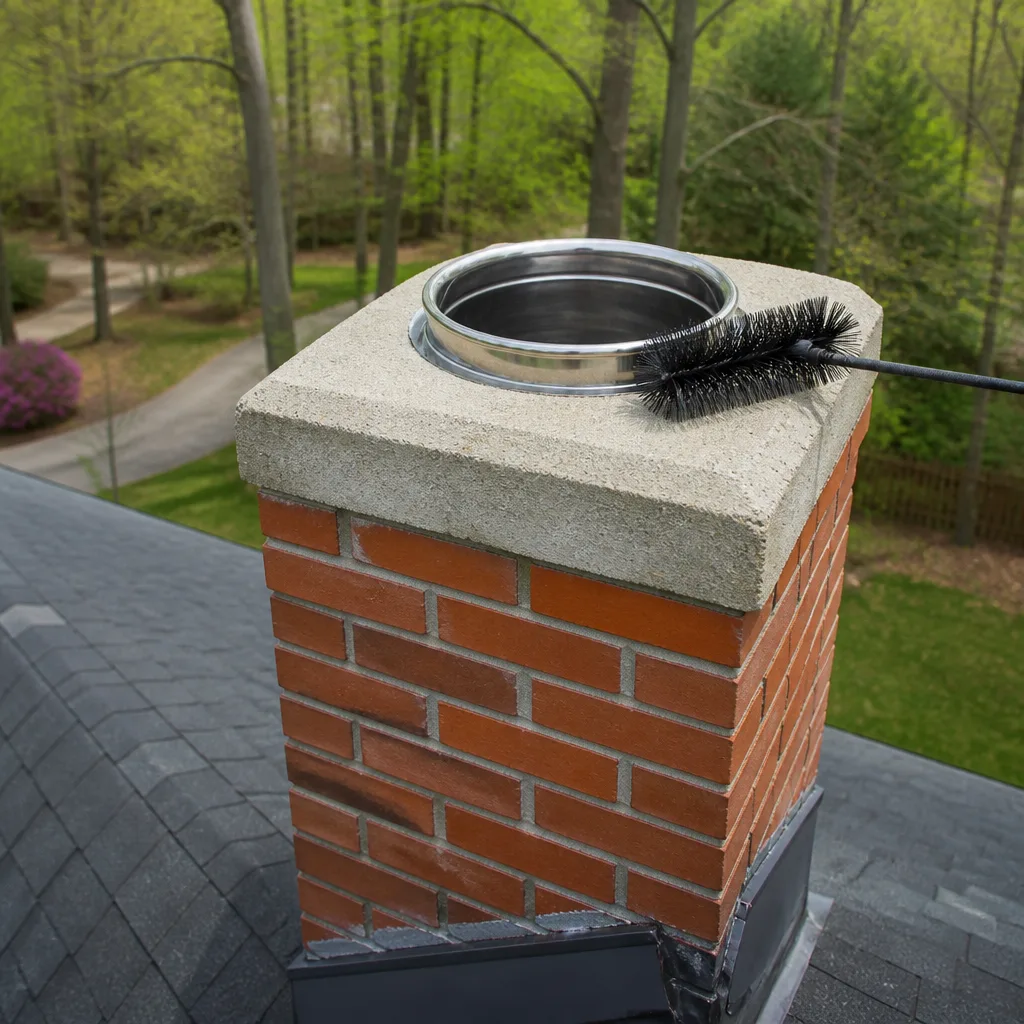 Sweep & inspection
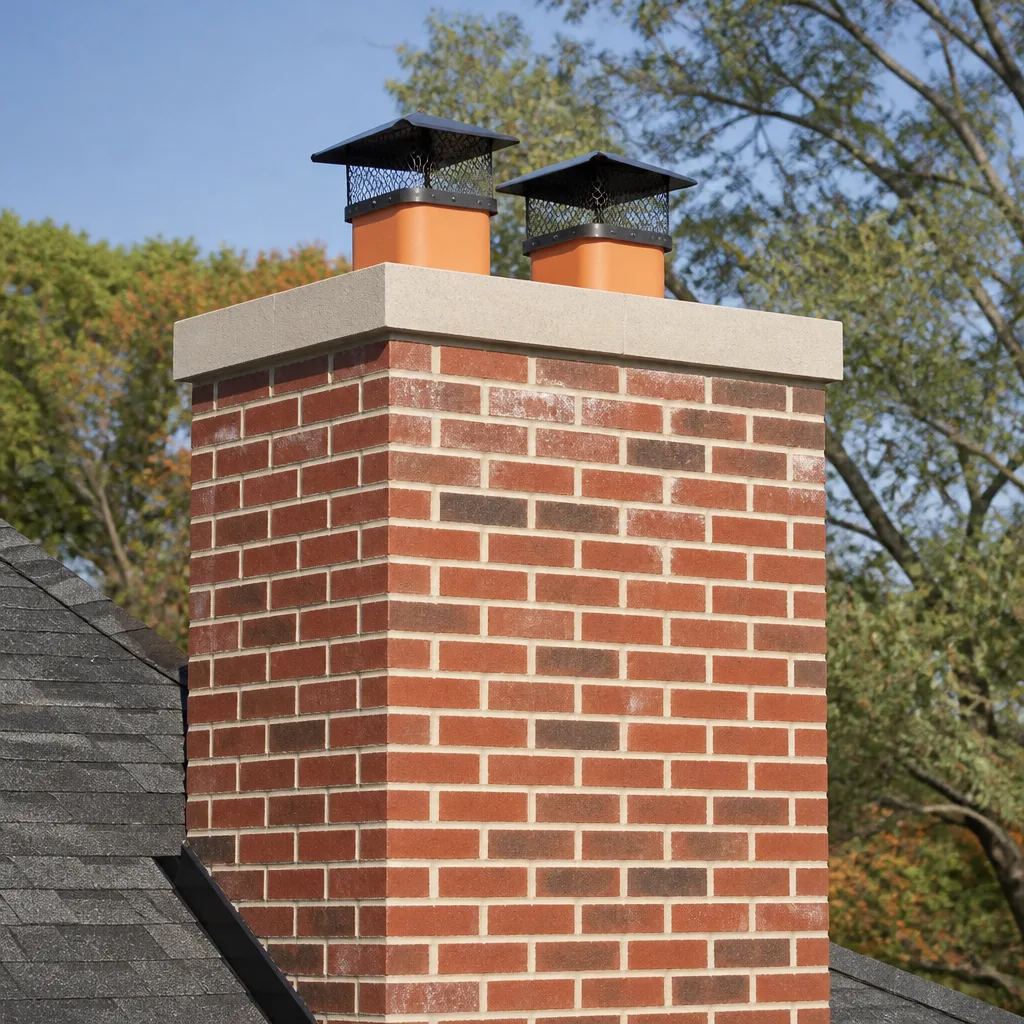 Caps & crowns
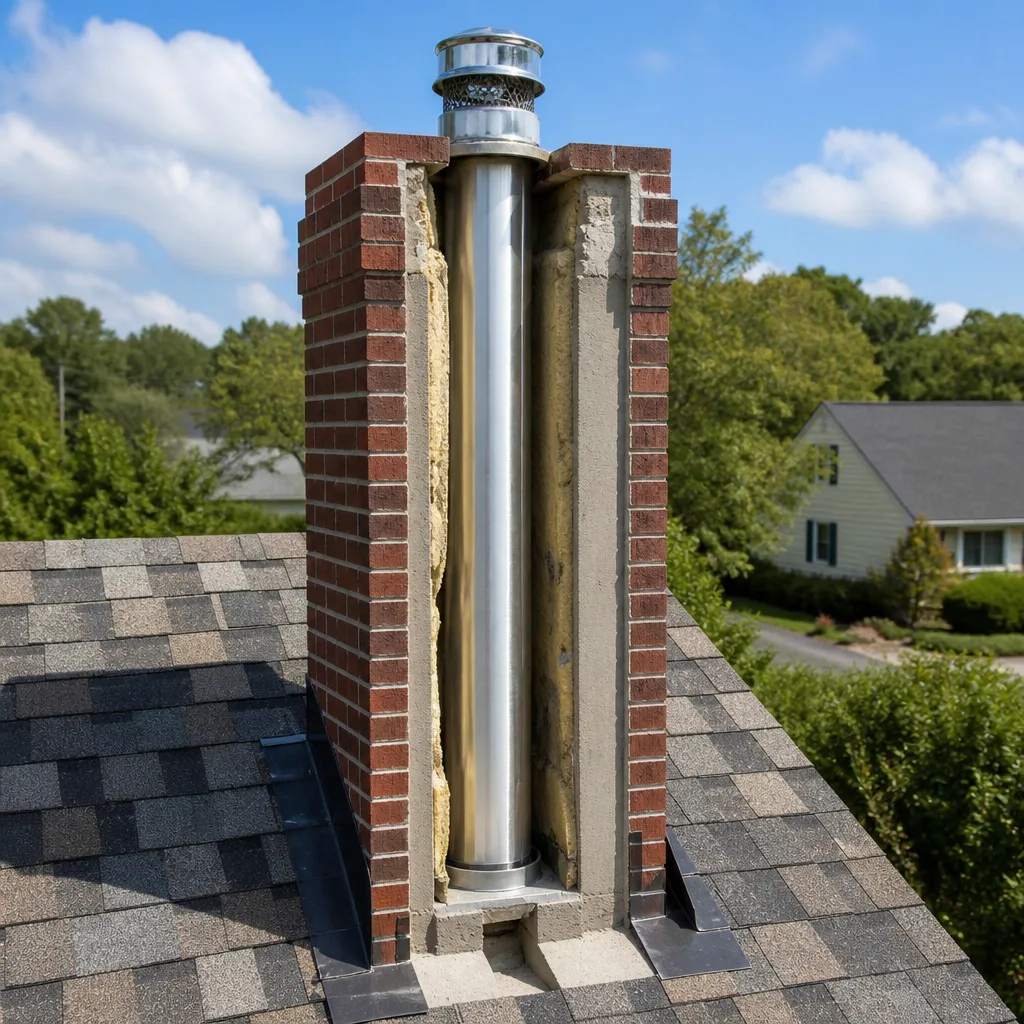 Flue relining
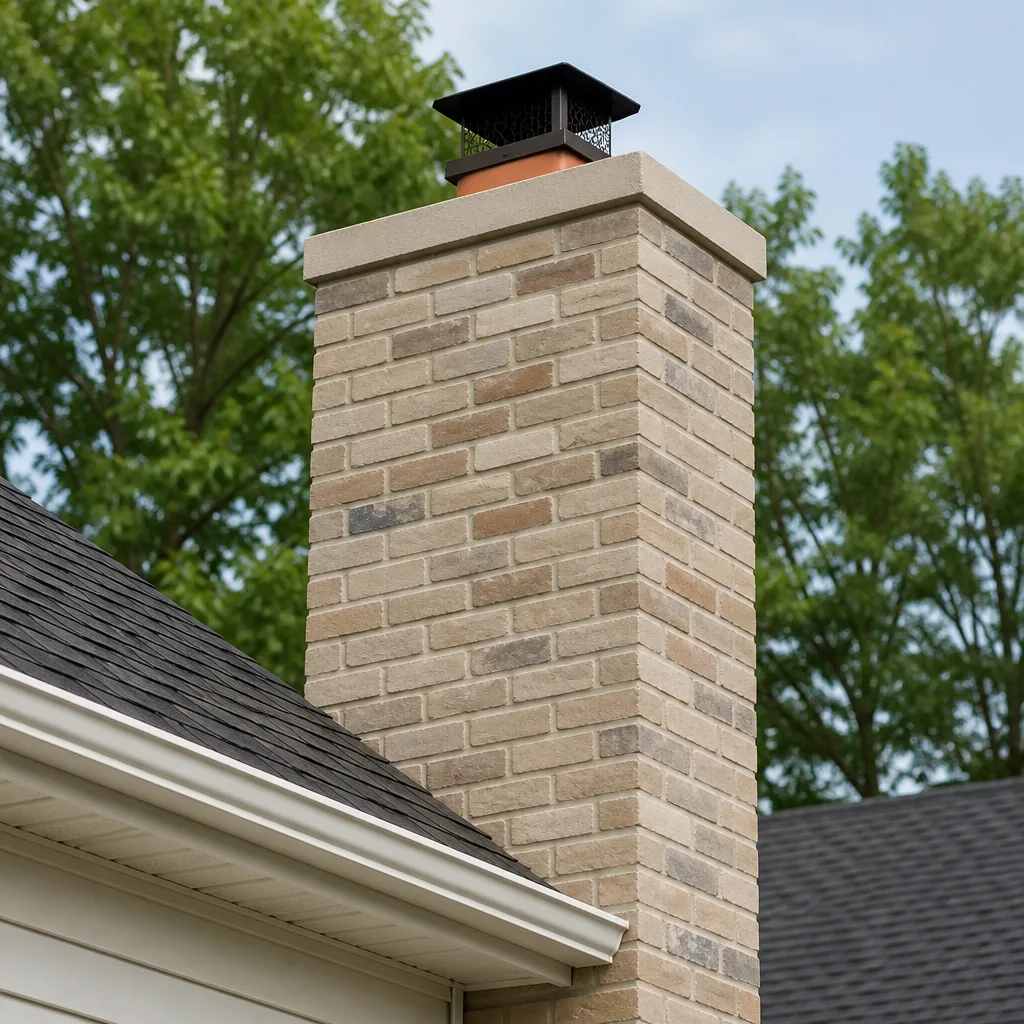 Masonry repair
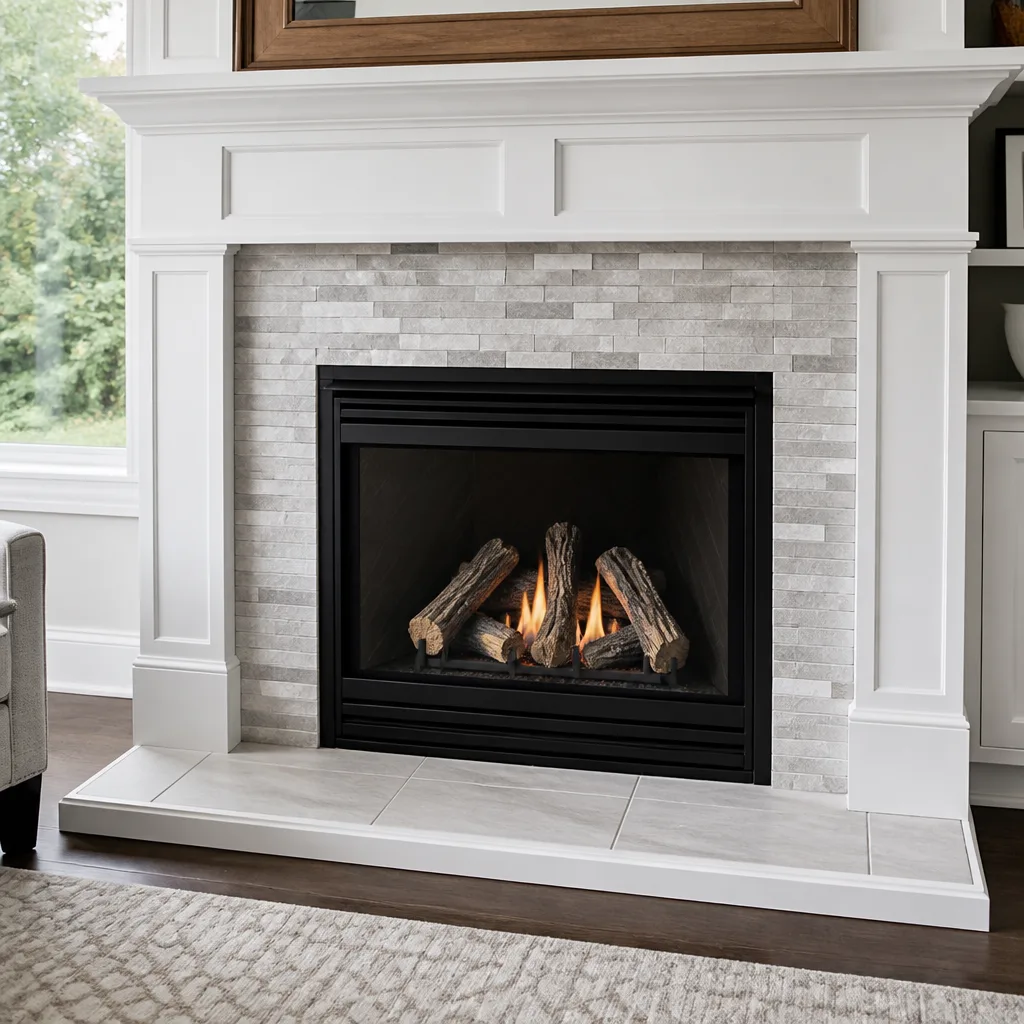 Gas fireplace service
Level 1 sweep and inspection to the NFPA 211 annual standard - flue, crown, cap, and flashing checked and photographed
Chimney sweep logs do not sweep chimneys. They loosen some creosote - which then falls where a brush and vacuum still have to collect it.
Seasonal Chimney Cleaning Care for Alamo Square: Year-Round Homeowner’s Guide
Summer is the season most Alamo Square homeowners ignore their chimney, and it’s exactly when moisture infiltration and cap deterioration quietly set the stage for expensive fall repairs. While the rest of the country worries about chimney fires in January, San Francisco’s fog-driven humidity is working on your flue in July. The counterintuitive truth: your chimney sees more structural stress during a mild Alamo Square summer than during a cold winter burn season. This guide reframes chimney care around what’s actually happening inside your flue month by month, so you know precisely when to act, what to inspect, and what you can safely ignore, with Chimney Cleaning Emergency Preparedness Guide for Alamo Square Homes as a companion for urgent scenarios. You’ll learn how the fog season, fire season, rainy season, and shoulder periods each create distinct conditions that demand different responses, and how a seasonal rhythm protects both your masonry and your indoor air quality.
Quick Answer
Alamo Square doesn’t have four textbook seasons. It has a fog season (June through September), a fire season (October through December), a rainy season (January through April), and a shoulder period (May). Your chimney cleaning and inspection schedule should follow this actual weather pattern, not a generic calendar. The practical takeaway: schedule cleaning before first fire in October, inspect for water damage by April, and monitor cap and crown corrosion through the fog months when salt-air moisture is most aggressive.
Styles & brands we work with
- Sweep & inspection
- Caps & crowns
- Flue relining
- Masonry repair
- Gas fireplace service
Table of Contents
- The Fog Season: June Through September
- Fire Season Preparation: October Through December
- The Rainy Season: January Through April
- The Shoulder Period: May
- Managing Summer Odor Events in Brick Flues
- Year-Round Cap and Chase Cover Monitoring
- How Often Should You Really Sweep in Alamo Square?
- What Water Intrusion Actually Looks Like After a Wet Winter
The Fog Season: June Through September
Alamo Square sits directly in the path of the marine layer that rolls through the Golden Gate and settles over the city’s western neighborhoods. From June through September, relative humidity regularly stays above 80% overnight, and fog drip penetrates unprotected chimney crowns. What does that mean inside your flue? Two things happen simultaneously, and both are worth understanding because they explain why summer neglect creates fall expenses.
First, condensation. When cool, fog-saturated air meets the interior walls of a flue that hasn’t seen heat in months, moisture condenses on the creosote and soot residue left from last winter’s fires. In an unlined masonry chimney, this moisture migrates into the brick and mortar itself. Each fog cycle wets the masonry, then the occasional warm afternoon dries it, and that wet-dry cycle expands and contracts the structure’s pores. Over a single summer, the damage is invisible. Over three or four summers, you start seeing efflorescence, a white powdery deposit that signals active moisture movement through your masonry. That’s the first visual indicator most homeowners in Alamo Square catch before they call us.
Second, cap and chase cover deterioration. If your chimney has a metal chase cover on a prefab unit, the salt in San Francisco’s fog air accelerates corrosion. We’ve pulled chase covers in Alamo Square that showed pinhole rust after just four years of exposure, the kind of damage you’d expect after a decade in a drier climate. The fog doesn’t just sit on the surface. It condenses and runs into seams, around fasteners, and along the flue pipe where it exits the chase. That’s where the rot starts.
What to do during the fog season:
- Visually check your chimney cap and crown from the ground once a month. You’re looking for rust staining on metal or darkened, pitted areas on concrete crowns.
- If you burned wood last winter and notice an acrid smell indoors on cool summer nights, that’s a sign moisture has reactivated creosote inside the flue. We address this more in the odor section below.
- Don’t wait until October to discover that your cap has failed. A homeowner in Alamo Square who catches crown spalling in August has time to schedule a repair before the rainy season. One who waits until after first rain is looking at water intrusion compounding every repair cost.
This is the season when we perform many of our HeatShield applications. It’s a ceramic-cement resurfacing system applied to the interior of a flue that seals joints and restores structural continuity in deteriorated masonry. The fog season’s wet-dry cycles are exactly what HeatShield is engineered to resist, and we recommend it during summer when application conditions are most favorable. We explain the condition of your flue with camera inspection imagery before recommending anything, so you see what we see.
Our Chimney Sweep in Alamo Square team walks the neighborhood’s streets throughout the summer, and the pattern we see is consistent: homes with intact caps and crowns hold up through the fog season with no new damage, while homes with exposed flues pick up moisture that shows up as staining by September. The fix now is a cap. The fix later is a crown rebuild. The cost difference is about fivefold.
Fire Season Preparation: October Through December
October marks the transition in Alamo Square. The fog retreats, the air dries out, and homes that have fireplaces start thinking about first fire. Here’s the timing problem: everyone calls for chimney cleaning during the last two weeks of October and the first two weeks of November. It’s the single busiest window of the year for every sweep in San Francisco.
The practical solution is to book your pre-season sweep in September. The weather hasn’t turned yet, and the flue is dry after the fog season’s last gasp, which means we get a cleaner read on the system’s actual condition. Scheduling in September also means you’re not competing with several dozen of your Alamo Square neighbors for the same two available appointment slots in late October.
What a pre-season sweep should include:
- Full mechanical sweeping of the flue using a rotary whip system that removes glazed and accumulated creosote without damaging the flue liner.
- Camera inspection of the flue interior, from firebox to termination, to verify no cracks, gaps, or missing mortar joints opened up over the previous burn season.
- Smoke chamber inspection with specific attention to the corbeled brickwork, a common weak point in older Alamo Square Victorians built before modern flue tile standards.
- Damper operation check, including removing any build-up that prevents full sealing, which matters for draft and for keeping conditioned air in your house during summer.
- Cap and crown verification: no rust-through, no spalling, proper screening intact to keep debris and birds out while maintaining required free-air opening.
If you have a gas or wood appliance vented through a masonry chimney, first fire is also the moment when any summer water intrusion becomes obvious. Water that’s been sitting in the smoke chamber or on the firebox floor will produce a steady hiss or popping sound during first burn, and you may notice a sour smell that isn’t the sweet creosote odor you expect from burning wood. That’s water vaporizing out of the masonry, and it’s a sign that the rainy season just exposed and sealed in moisture that should have been addressed during summer.
We don’t recommend a first burn without a flue inspection if you haven’t burned in over a year. Not because we want to sell a sweep, but because a single cracked flue tile that opened during last winter’s storms can direct heat against combustible framing materials. The cost of an inspection is less than the deductible on a structure fire insurance claim, and the math on that is fairly straightforward.
For homeowners who want a deeper dive into what a proper sweep entails, our Chimney Sweep Alamo Square home page covers the full process, including what to expect on site and what questions to ask any sweep before they start work.
The Rainy Season: January Through April
Alamo Square’s wettest months run from January through April, and this is when the previous year’s maintenance choices reveal themselves. A chimney with a sound cap, intact crown, and sealed flue will handle San Francisco’s rain without issue. A chimney with any breach in its exterior protection becomes a water collection system that directs moisture exactly where you don’t want it: into the firebox, through the smoke chamber, and eventually into surrounding wall cavities.
Here’s what water intrusion looks like at each level of a chimney system after a wet winter:
- At the crown: Dark staining, spalling (chunks of concrete breaking away), and visible cracks wider than a nickel. A deteriorating crown lets water run directly down between the flue and the masonry, bypassing the flue liner entirely.
- At the firebox: White efflorescence on the firebrick, rust stains on the damper assembly, and a damp, musty odor that never fully clears even after the fire has burned for an hour.
- At the smoke chamber: This is where water accumulates if the crown is failing. Smoke chamber bricks are unreachable by typical sweeping brushes and often unpadded in older construction. Moisture here accelerates the breakdown of the mortar joints, which can create a path for heat and combustion gases to escape into the wall cavity.
- In the flue tile itself: Water running through a cracked flue tile liner can saturate the surrounding masonry. If you have a prefab chimney, water corrodes the metal flue pipe and the chase interior, and the first sign is usually rust-colored water streaks on the ceiling below the chase.
We recommend a post-rain-season inspection every April in Alamo Square, especially for homes with masonry chimneys built before 1960, which is a substantial portion of the neighborhood’s housing stock. These older chimneys were built without the air gap that Chimney Cleaning Permits, Codes & Inspections in CA: What You Need to Know now requires between the flue liner and the masonry, so any water that gets in stays in contact with both materials for extended periods. The freeze-thaw cycle isn’t a factor the way it is in colder climates, but continuous moisture exposure through the wet season creates gradual structural erosion anyway.
If you’re already seeing water staining or you’re worried about what this past winter did to your chimney, our Chimney Repair in Alamo Square service starts with a camera inspection. We show you exactly what we find before we propose any work, and if the repair can safely wait until the dry season, we say so plainly. Our residential clients appreciate that we’re not trying to manufacture urgency. The structure either needs immediate attention or it doesn’t, and a camera doesn’t lie.
The Shoulder Period: May
May is the forgotten month in Alamo Square chimney care. The rain has stopped, the fog hasn’t fully settled in yet, and most homeowners aren’t thinking about their fireplaces at all. That’s exactly why May is the best month for structural repairs and liner work. The weather is cooperative for material curing, and our technicians aren’t backlogged with pre-season sweeps.
For anyone with a known liner issue, May is the time to act. DuraFlex liner systems, which we stock and install, require dry conditions for proper installation and connection. A May installation means your system is chimney-ready by first fire in October, and you’ve avoided the scramble that happens when a liner fails during the first cold snap of fall.
May is also the right time for dryer vent cleaning. We include this here because the same households that burn wood through the winter to use their fireplace are typically running dryers year-round. A dryer vent that’s accumulated a season’s worth of lint is a fire hazard regardless of what’s happening with the chimney, and most chimney companies won’t even look at it. Our service includes both. One call covers the sweep and the vent, which means homeowners don’t need to coordinate multiple contractors for related combustion-safety issues.
Think of May as the planning month. The structure has dried out after the rains, the damage from winter is visible and assessable, and there’s still time to fix it before the next use cycle begins. We’ve done more productive repair work in May than in any other month, and the homeowners who use this window never find themselves on a waiting list in late October.
Managing Summer Odor Events in Brick Flues
Alamo Square homeowners with brick chimneys sometimes contact us in July and August about an odor problem that has nothing to do with fires. The smell is acrid, vaguely smoky, and strongest in the evening. They haven’t burned anything in months. What they’re experiencing is a specific phenomenon of brick flues in San Francisco’s microclimate, and it’s one of the most common summer service calls we get.
Here’s what’s happening. During warm summer afternoons, the air inside the house rises and escapes through the chimney, creating a negative pressure zone. When evening air cools down, the pressure differential reverses, pulling outdoor air down through the flue and into the living space. If the flue has creosote residue from last winter’s fires, and the fog season has kept that residue damp, the downward draft brings the smell of moist creosote directly into the room. It’s not a structural failure. It’s a ventilation dynamic interacting with an unclean flue.
The fix is straightforward: a thorough sweeping removes the creosote that’s creating the odor. But there’s a secondary step many homeowners skip. If the flue is unlined, the odor can be coming from creosote that’s penetrated into the masonry itself, and no amount of sweeping pulls that out. In those cases, a HeatShield application seals the interior surface and eliminates the odor path permanently. We’ve used this approach on Alamo Square Victorians where the original brick flue was absorbing decades of creosote, and the result is a chimneyless-smell summer.
If you’re noticing a smoky smell in July, don’t wait until fall. Call us before the rainy season starts. A clean, sealed flue in August means no odor for the rest of summer, and you’re already set for first fire when October arrives.
Year-Round Cap and Chase Cover Monitoring
The single most protective component on your Alamo Square chimney is the cap if you have a masonry chimney, or the chase cover if you have a prefab unit. These are the first line of defense against everything San Francisco’s weather throws at a chimney: fog drip, rain, birds, debris, and the salt-air corrosion common to this coastal environment.
Alamo Square sits about a mile and a half from the Pacific, close enough that fog-borne salt particles reach the neighborhood regularly. That’s why we see chase cover corrosion here at a rate that surprises homeowners. A galvanized chase cover that’s been in service for 15 years in Alamo Square can look like it’s been in service for 30. The rust pattern is typically concentrated at the seams and around the flue pipe penetration, where water pools and sits.
What to monitor throughout the year:
- Rust staining on the exterior of a metal chase cover. Once rust streaks appear, the cover is already compromised, and replacement is forthcoming. Catching it early means replacing a $400 part instead of repairing a water-damaged chase interior.
- Spalling on concrete crowns. Hairline cracks widen during the rainy season and contract during dry months. Any crack wider than the edge of a quarter should be evaluated before next rain.
- Missing or damaged screening on the cap. Birds nest in open flues in April and May, and a nest inside a flue is both a fire hazard and a draft obstruction. We use Gelco cap products on masonry chimneys, which are purpose-built for this coastal environment’s rain and salt exposure.
- Debris accumulation around the crown perimeter. Leaves and pine needles hold moisture against the masonry and accelerate deterioration. If you can safely access the roof, clear the area around the chimney crown after heavy wind events.
If you have a prefab chimney, we recommend Famco venting components for any replacement parts. Famco supplies HVAC-grade vent hardware that’s specified for this exact application, and we prefer it over commodity fittings that don’t match the original equipment’s tolerances. A prefab chimney is a system, and every component in that system needs to be to spec.
For homeowners who aren’t sure what type of chimney they have or what condition their cap is in, our Chimney Sweep in Alamo Square team can perform a roof-level inspection as part of any service call. It’s faster and safer than doing it yourself on a steep Alamo Square roof line.
How Often Should You Really Sweep in Alamo Square?
The National Fire Protection Association recommends an annual inspection and cleaning as needed, and that’s a sound baseline for most Alamo Square homes. But the real answer depends on what you burn, how often you burn, and what type of chimney you have.
Here’s our practical guidance for Alamo Square specifically:
- Wood-burning fireplace used weekly from October through March: Sweep every year, before first fire. Six months of weekly fires produces enough creosote accumulation that a second sweep mid-season is warranted if you’re burning soft woods or less-seasoned firewood.
- Wood-burning fireplace used occasionally, say 10-15 fires per season: Sweep every other year, but inspect annually. Many Alamo Square homeowners fall into this category, and the inspection matters because a chimney that sits unused for 8 months a year is accumulating water damage, not creosote.
- Gas fireplace or gas log set vented through a masonry chimney: Inspect annually, sweep as needed. Gas doesn’t produce creosote, but it does produce acidic condensate that can attack flue tile over time. If your gas log set is vented into an unlined masonry flue, the condensate issue is more serious.
- Prefab wood-burning fireplace used regularly: Sweep every year. Prefab flue systems have narrower tolerances than masonry, and creosote build-up in these systems is a more immediate fire hazard.
- Dryer vent: Clean every year, regardless of anything else. Lint accumulation is a leading cause of dryer fires, and Alamo Square’s proximity to the fog’s humidity causes lint to clump and adhere to vent walls more aggressively than in drier climates.
We don’t upsell sweeping frequency. If a chimney doesn’t need it, we say so. But we do recommend annual inspection across the board, because the structural issues that matter in Alamo Square’s specific climate are the ones that can’t be seen from the ground, and they often produce no symptoms until there’s a problem. For ongoing maintenance advice, see our more guides & resources.
What Water Intrusion Actually Looks Like After a Wet Winter
Most Alamo Square homeowners won’t climb onto their roof to inspect a chimney crown. So here’s what to look for from inside the house, at the firebox level, where water intrusion leaves its fingerprints after a rainy season.
- Efflorescence: A white, chalky deposit on the firebrick or the mortar joints. It’s a sign that moisture moved through the masonry and evaporated on the surface, leaving dissolved salts behind. One appearance is worth investigating. Repeated appearance across multiple rainy seasons means active water ingress.
- Rust on the damper: The damper is typically the first metal component to show corrosion from water coming down the flue. If the damper handle is hard to move or the plate shows orange staining, water has been present.
- Damp or musty smell that lingers: A chimney that stays damp for weeks after rain has a hydration problem. In a healthy chimney, the flue dries out within a few days of the last rain. If yours doesn’t, water is being retained somewhere it shouldn’t be.
- Staining on the ceiling or walls adjacent to the chimney chase: This is a sign that water has migrated out of the flue system entirely and into the building materials. If you see this, don’t wait. Call for an inspection before the next rain cycle.
- Smoke entering the room during use: This can be caused by a partially blocked flue, but in post-rain scenarios, it’s often the result of water-damaged mortar that’s begun to fall into the smoke chamber, changing the draft dynamics. A smoke chamber obstruction is a serious problem that affects both performance and safety.
We explain what we find in plain terms before we touch anything. Our camera inspections provide imagery that shows exactly where water is entering and what it’s doing once it’s inside. That transparency matters in a neighborhood like Alamo Square, where every chimney seems to have its own particular history and set of problems. The fix might be a simple cap replacement or a full flue rehabilitation. Either way, you deserve to see the evidence and understand the reasoning before you write a check.
Common Mistakes to Avoid
- Ignoring the chimney all summer. The fog season is the most damaging period for Alamo Square chimneys, and it’s the season when most homeowners aren’t paying attention. A monthly visual check from the ground costs five minutes and catches cap failure before it becomes a crown rebuild.
- Waiting until late October to schedule a sweep. Alamo Square chimney companies are booked solid in the weeks before first fire. Scheduling in September means you’re ready when the first cold evening arrives, not waiting on a callback.
- Assuming a gas fireplace doesn’t need service. Gas appliances vented through chimneys produce acidic condensate, and that condensate attacks flue tile over time. An annual inspection applies regardless of fuel type, and for Alamo Square homeowners with unlined masonry flues, it’s not optional.
- Ignoring the dryer vent because it’s “not a chimney” issue. It’s the same combustion-safety discipline, and a lint-clogged dryer vent is a far more common fire source than a dirty chimney. If your chimney company doesn’t offer dryer vent cleaning, you’re coordinating two contractors for one safety concern. We handle both.
- Using hardware-store caps and covers on a coastal chimney. Alamo Square’s salt-air environment demands materials that can handle it. Gelco caps and Famco venting components are built for professional specification, not commodity retail.
- Skipping the post-rain-season inspection. Every April, you should know what the winter did to your chimney. A crown that cracked in February is caught in April. The same crack ignored until October becomes water damage during the next rainy season and the problem compounds.
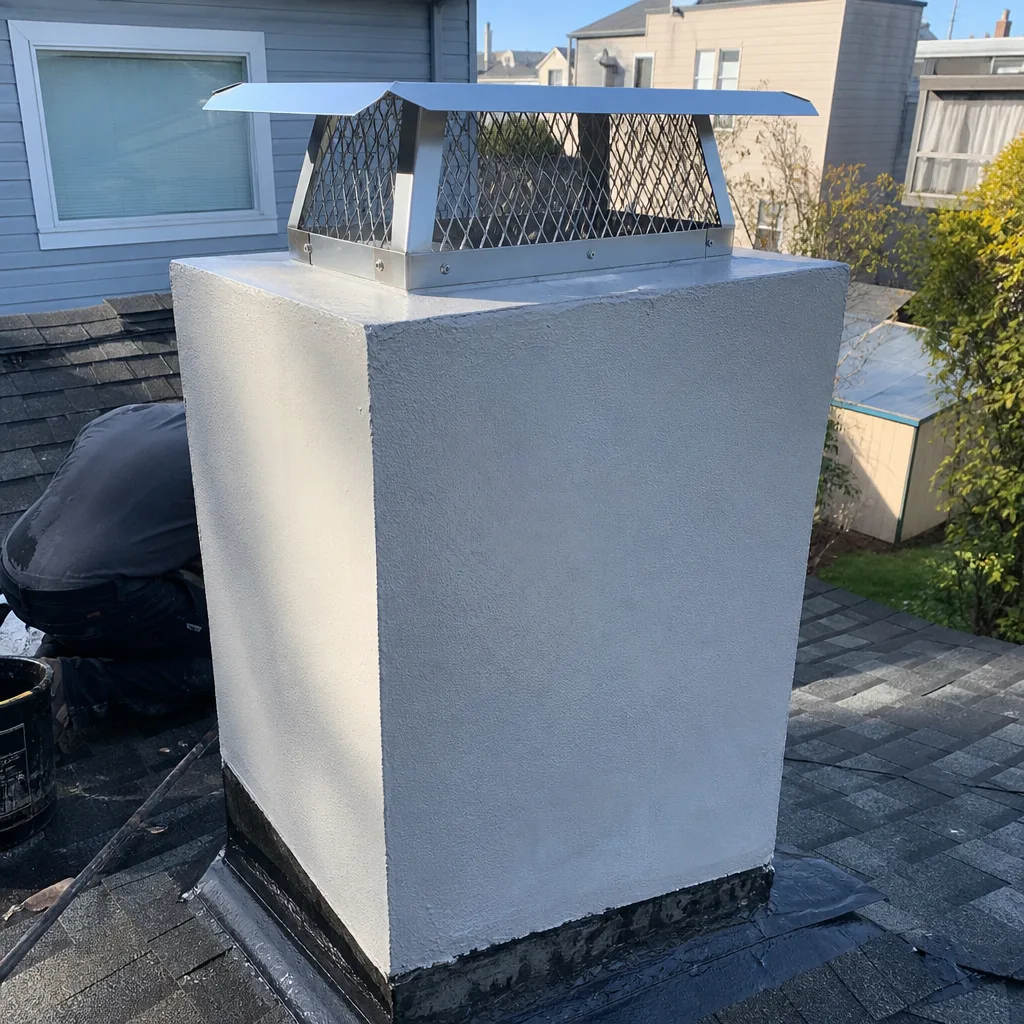
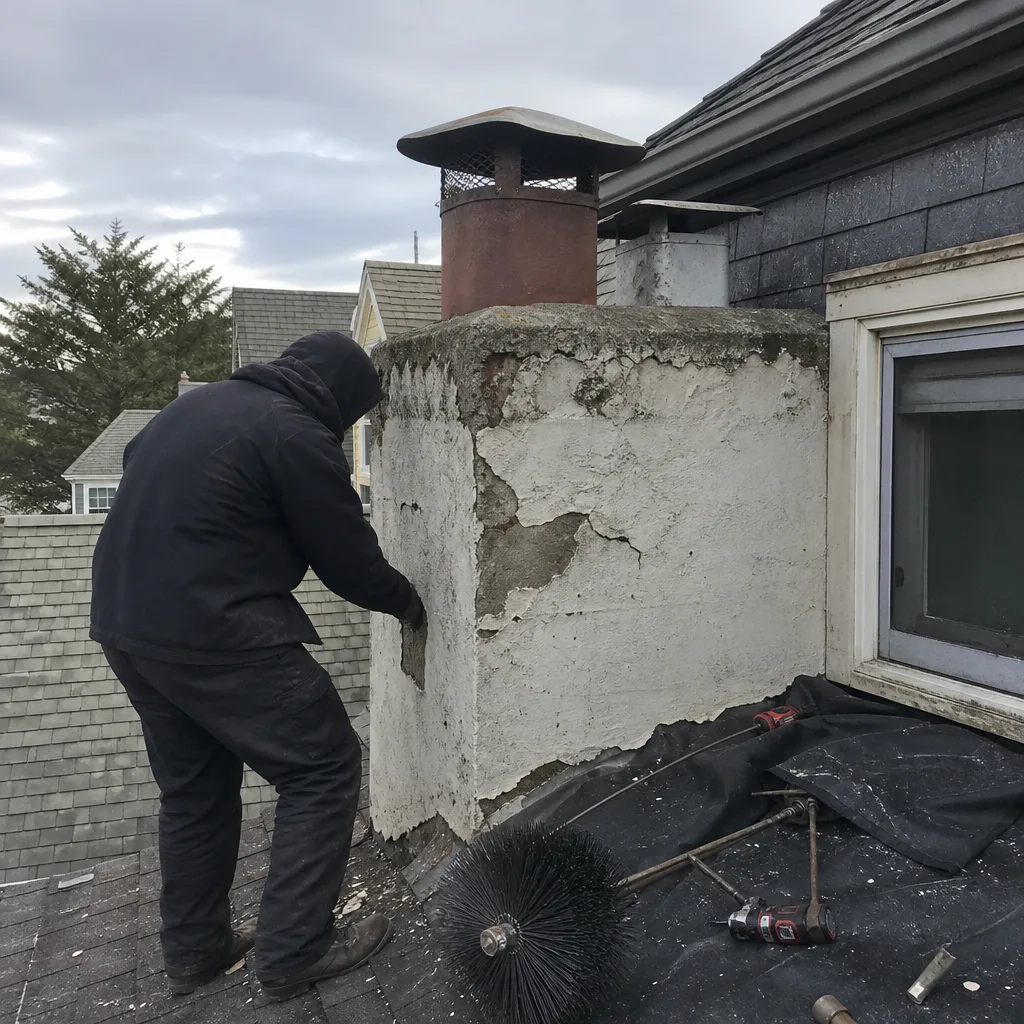
See the difference
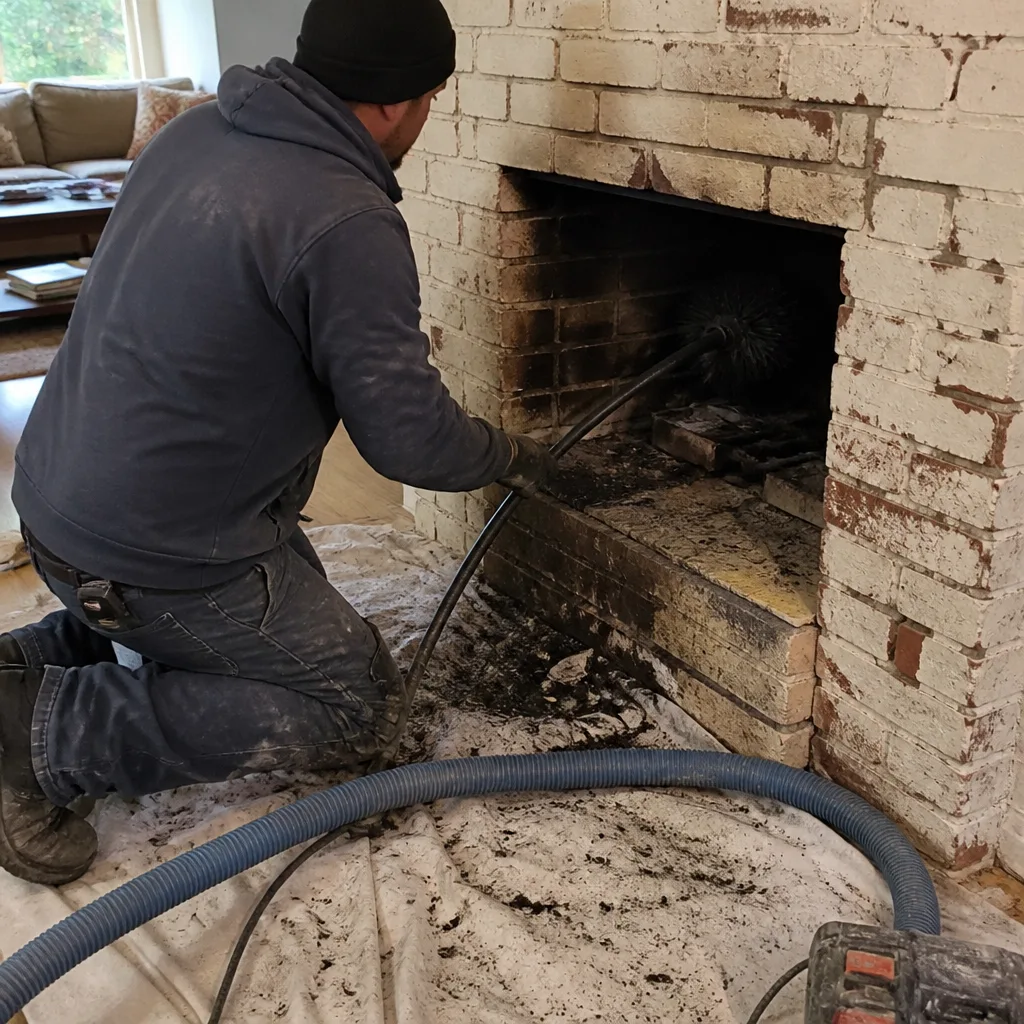 Before
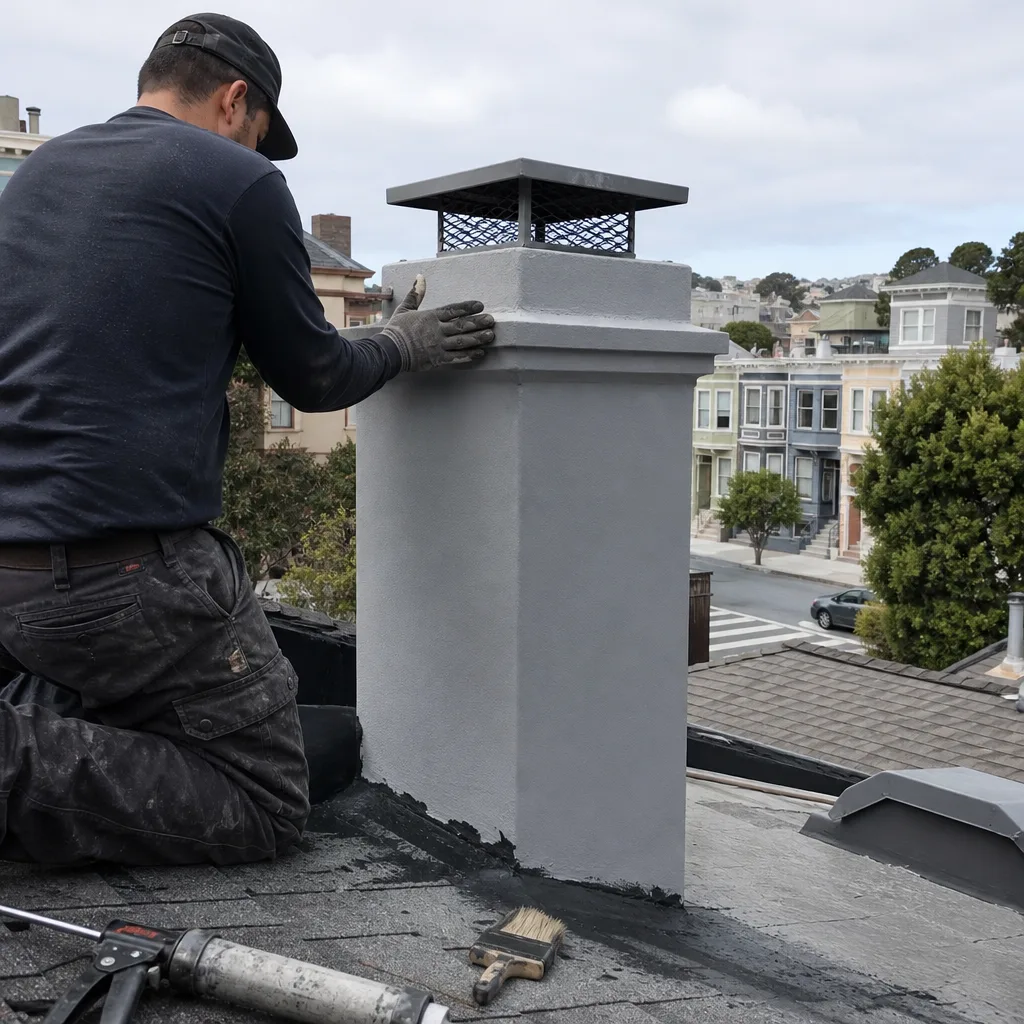 After
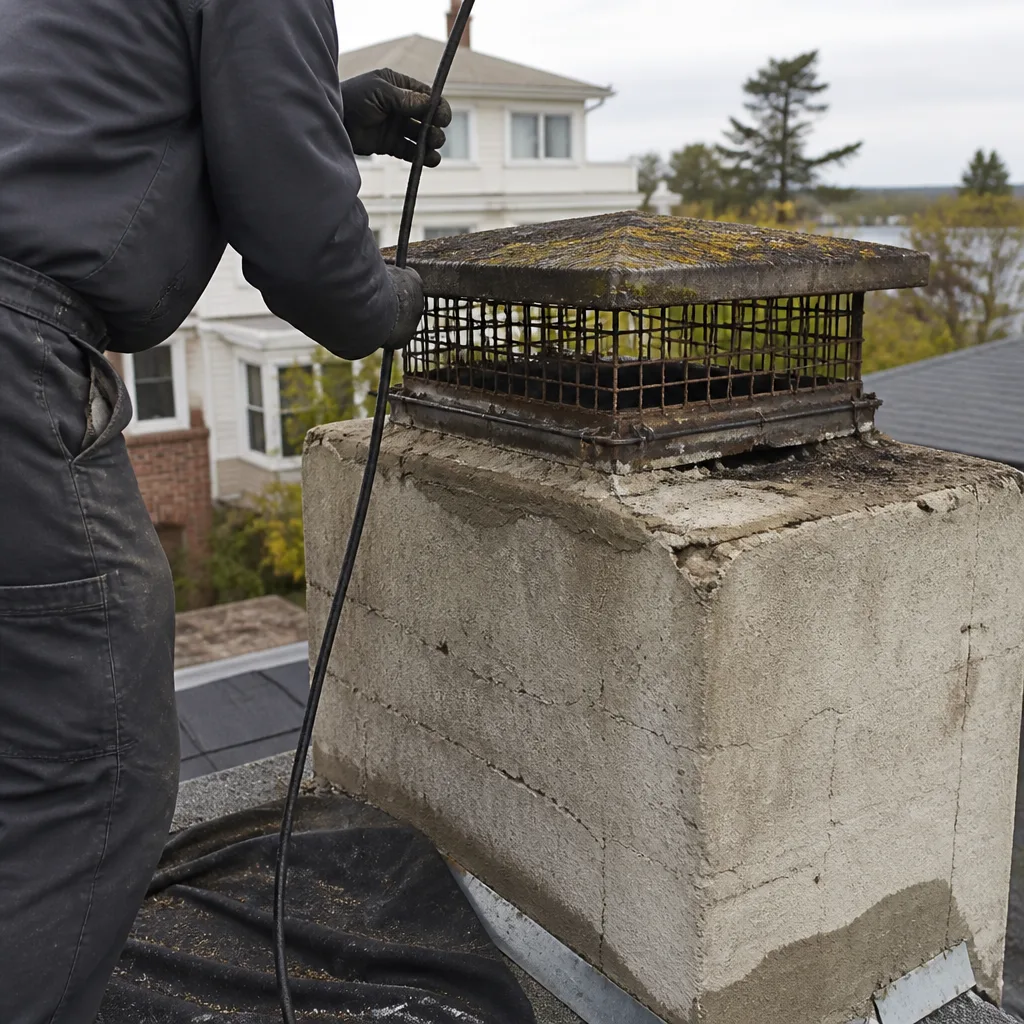 Before
 After
 Before
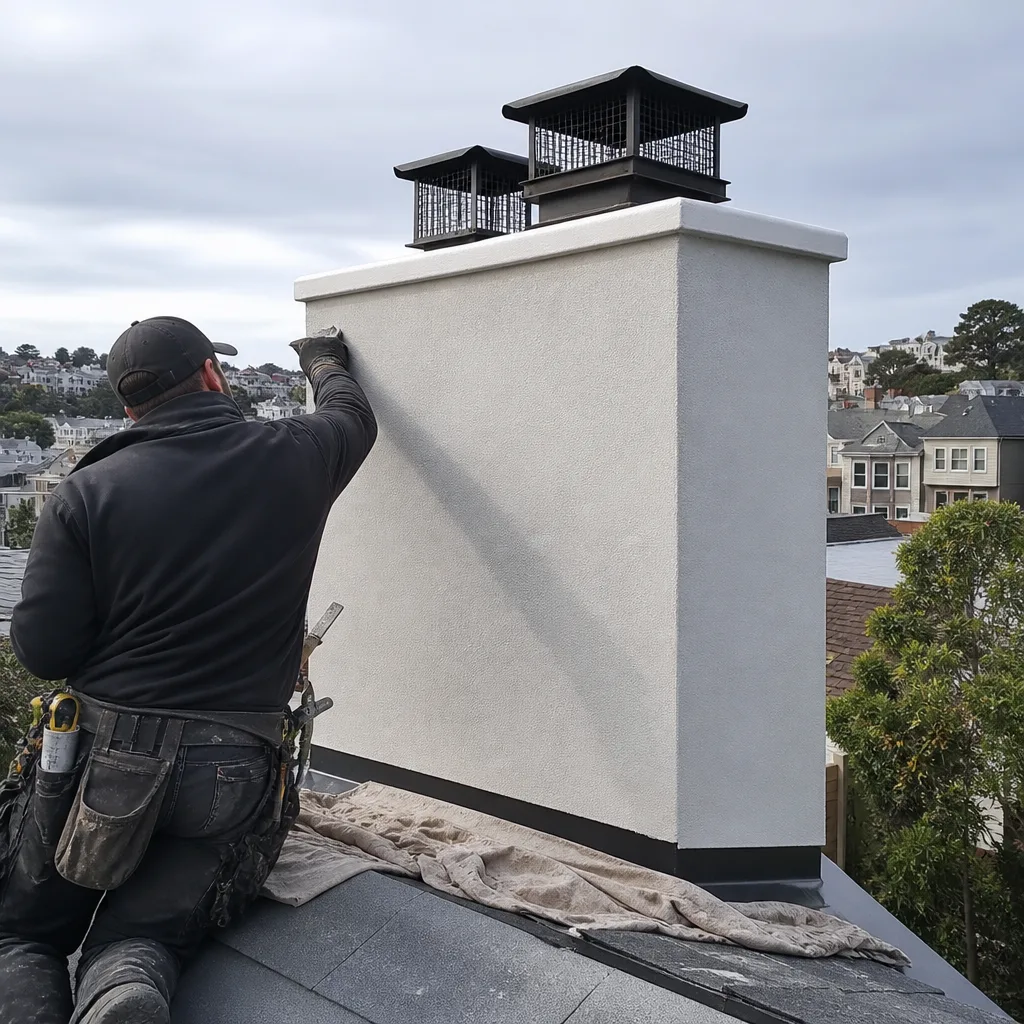 After
When to Call a Professional
Call a professional if you see water staining on the ceiling near the chimney, if smoke enters the room during use, if you hear animal activity inside the flue, if the damper is rusted or stuck, if efflorescence appears repeatedly on the firebox brick, or if you haven’t had your chimney inspected in over two years. These are all conditions that can’t be resolved with a DIY approach, and several of them indicate a problem that’s actively worsening. Chimney Sweep Alamo Square offers free estimates in Alamo Square. Call (833) 620-7061 to schedule an inspection, and we’ll show you exactly what we find. If the work can wait, we’ll tell you that plainly.
Frequently Asked Questions
Chimney sweeping in Alamo Square typically runs between $180 and $340 for a standard masonry or prefab fireplace, with additional costs if the system includes a second flue or has not been cleaned in several years. The final price depends on the level of creosote build-up, the accessibility of the roof, and whether the chimney requires any specialized equipment beyond the standard rotary whip. Call (833) 620-7061 for an exact quote, and we’ll give you a flat price before the sweep begins.
Schedule your annual cleaning in September, before the October/November rush, and after the fog season’s peak humidity has passed. This timing means your flue is dry when we inspect it, which gives us a cleaner read on structural condition, and you’re ready for first fire without waiting on a backlogged schedule. If September isn’t possible, book as early in the fall as you can.
It depends entirely on what the camera inspection shows. Hairline cracks in a single flue tile can sometimes be addressed with localized repair, but if the damage extends across multiple tiles or the liner has separated at the joints, a full relining with a system like DuraFlex is the correct fix. We never recommend a new liner without showing you the camera footage that proves the case. And if a repair can safely wait, we’ll say that too. Call (833) 620-7061 and we’ll schedule the inspection that answers the question definitively.
If you burn 10 to 15 fires per season, sweep every other year and inspect annually. The inspection matters more than the sweep frequency in this case, because a lightly used Alamo Square chimney is accumulating water damage from fog and rain, not creosote from overuse. Those structural issues need to be caught early, and an annual inspection is how that happens.
In Alamo Square, skipped maintenance typically shows up first as water damage, not creosote fires. The fog season’s moisture enters through a deteriorating crown or cap, sits inside the flue, and accelerates the breakdown of mortar joints and flue tile. By year three or four, the repair cost has moved from a few hundred dollars to several thousand, and in some cases the flue is no longer safe to use until it’s rehabilitated. The physical risk of that progression, from a functioning chimney to a structurally compromised one, is why annual inspection is the standard.
Yes. Our team performs both services during the same visit, which saves homeowners in Alamo Square from coordinating two separate contractors for related combustion-safety issues. The dryer vent is independent of the chimney, but both systems move combustion byproducts out of the house, and both deserve the same professional attention. One call covers the sweep and the vent. Call (833) 620-7061 to schedule both at once.
The Bottom Line
Alamo Square’s chimney seasons don’t match the calendar. The fog season does more structural damage than the burn season, the rainy season exposes whatever summer neglect left unprotected, and May is the only true off-season, which makes it the ideal month for repairs. The homeowners who manage their chimneys well in this neighborhood follow a simple rhythm: inspect after the rains in April, repair in May’s dry window, sweep in September before the October rush, and monitor the cap and crown through the foggiest months. It’s not a complicated system, but it’s one that only works if you understand what each season is actually doing to your flue. And when you need a professional opinion, we’re here. Dryer Vent Cleaning in Alamo Square and full chimney service are one call away at (833) 620-7061.
Written by the team at Chimney Sweep Alamo Square, serving Alamo Square since 2011.