
Last updated November 2, 2026
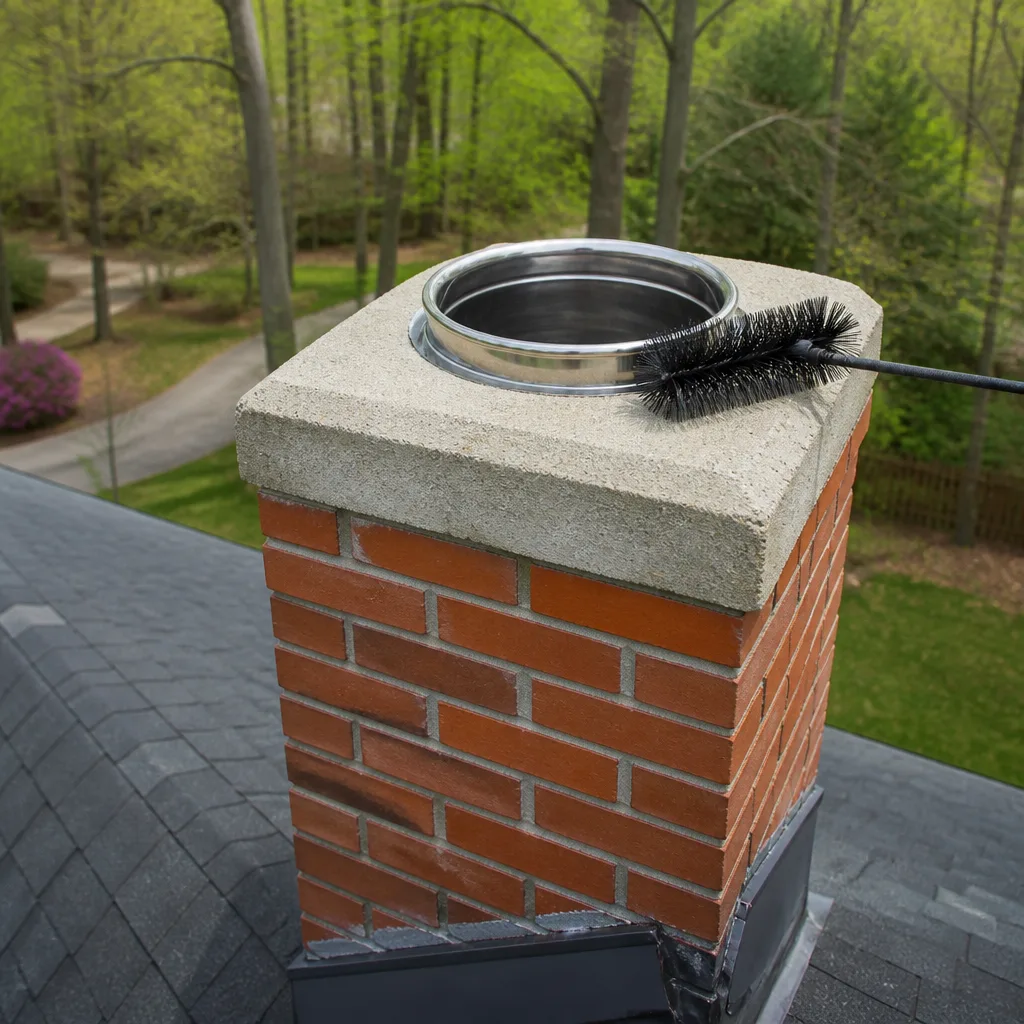 Sweep & inspection
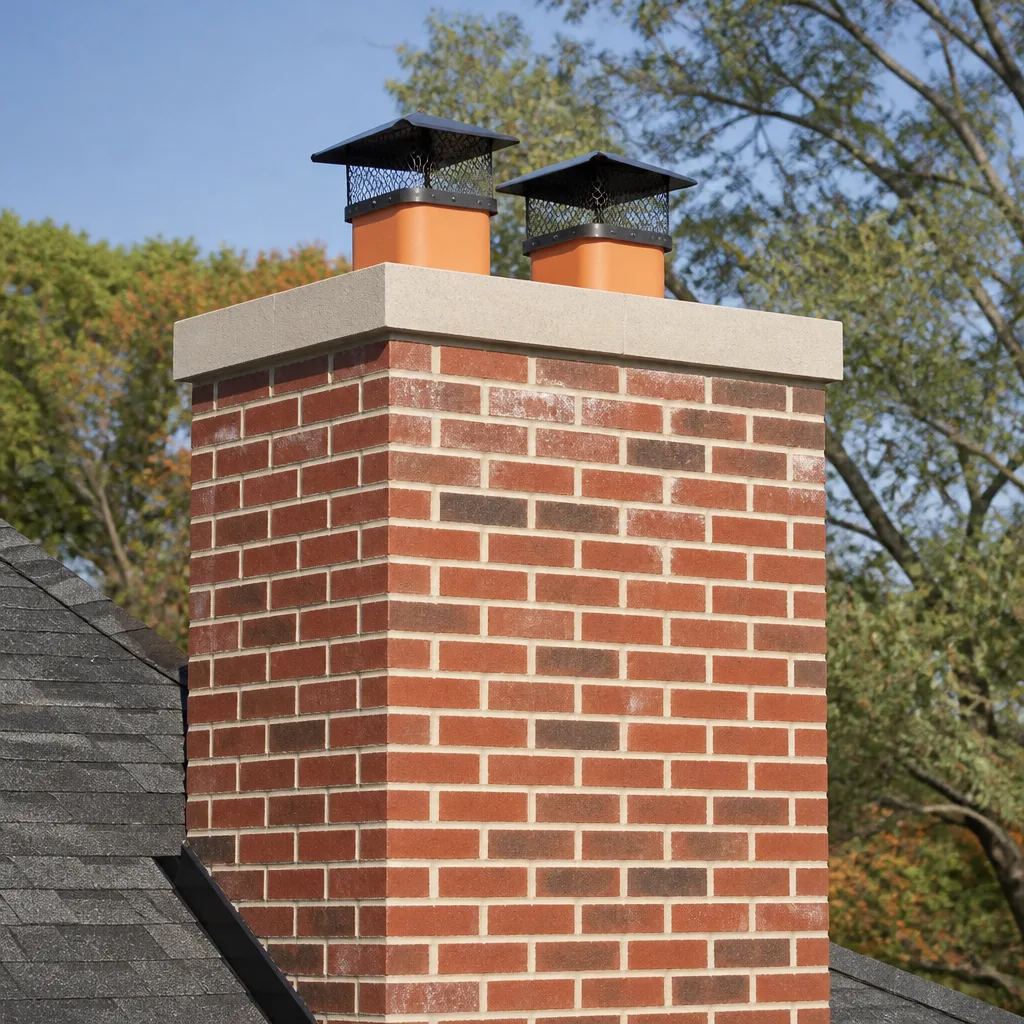 Caps & crowns
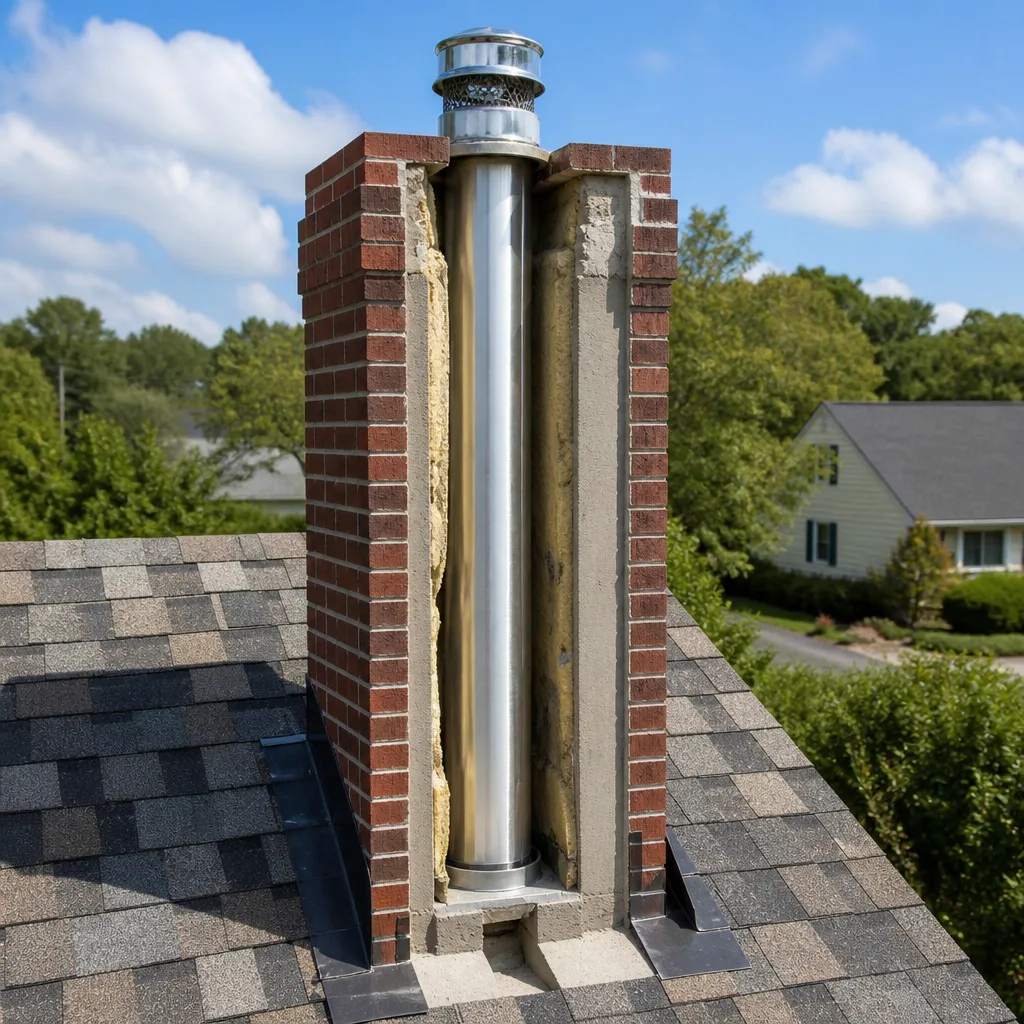 Flue relining
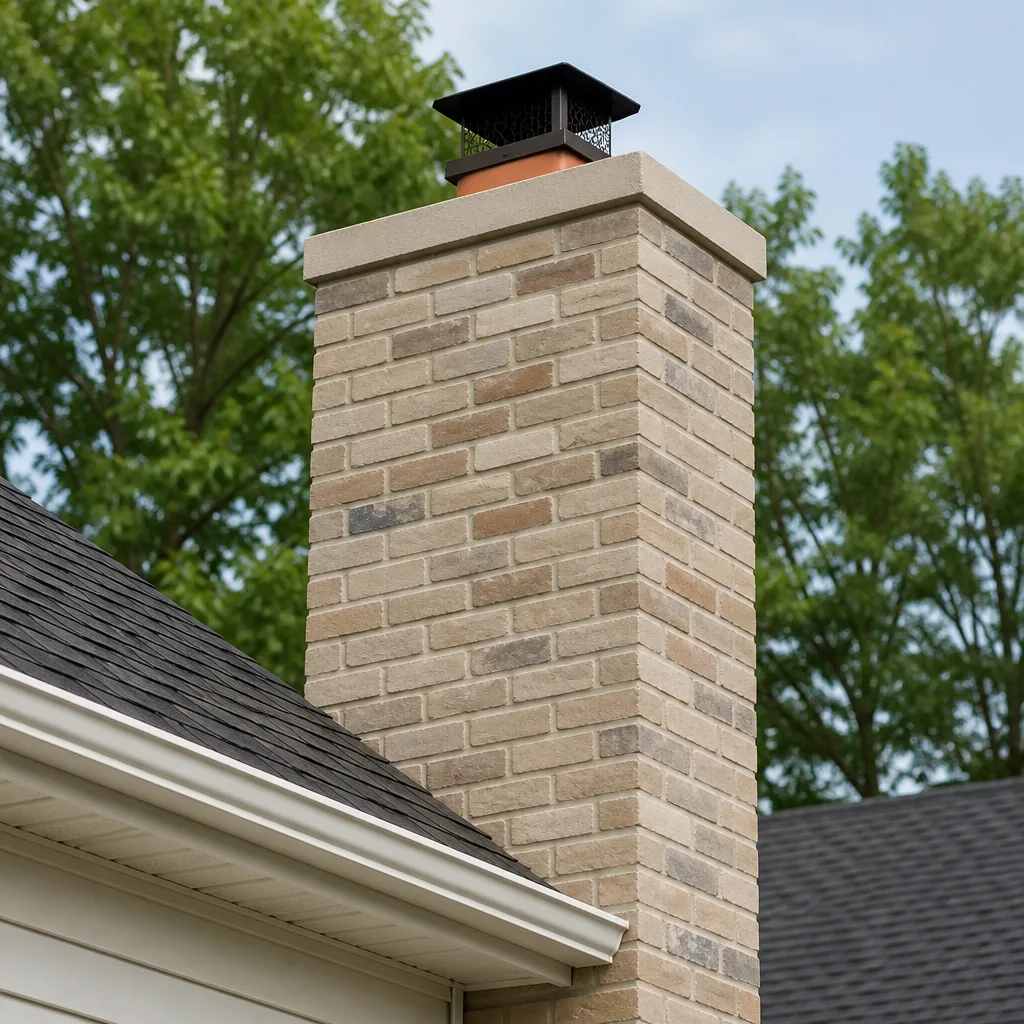 Masonry repair
 Gas fireplace service
Level 1 sweep and inspection to the NFPA 211 annual standard - flue, crown, cap, and flashing checked and photographed
Chimney sweep logs do not sweep chimneys. They loosen some creosote - which then falls where a brush and vacuum still have to collect it.
DIY vs Professional Chimney Cleaning: The Alamo Square Homeowner’s Decision Guide
Brushing your own flue isn’t the dangerous part. It’s what you can’t see after brushing it that determines whether you’ve cleaned the chimney or just redistributed the problem. In Alamo Square, where Victorians from the 1880s and 1890s still vent wood-burning fireplaces through original masonry, the DIY-versus-professional question carries more weight than a quick Google search suggests. This guide breaks down exactly which chimney tasks a careful homeowner can handle, which ones need professional tools, and which ones on a pre-1960 Alamo Square chimney should never be touched without a certified specialist. For more on what to expect, see our How to Hire a Chimney Cleaning Contractor in Alamo Square: A Step-by-Step Guide.
Quick Answer
Most Alamo Square homeowners can safely handle visual inspections, basic ash removal, and cap checks, but actual flue cleaning and any liner evaluation should be left to a professional. The reason isn’t the brushing itself; it’s what a DIY brush can’t see: cracked tiles, deteriorated mortar joints, or a liner that looks fine from the top but has failed mid-flue. A professional chimney sweep costs between $180 and $340 in San Francisco and includes the camera inspection that tells you whether the system is actually safe to use.
Styles & brands we work with
- Sweep & inspection
- Caps & crowns
- Flue relining
- Masonry repair
- Gas fireplace service
Table of Contents
- What Homeowners Can Safely Do Themselves
- What Requires Professional Tools and Training
- What Requires a Licensed Contractor
- The Alamo Square Victorian Risk Factor
- The Equipment Gap: What DIY Kits Don’t Include
- What Insurers Look For After a Chimney Fire
- How to Use DIY Checks to Extend Professional Sweeps
- Common Mistakes to Avoid
- When to Call a Professional
- Frequently Asked Questions
What Homeowners Can Safely Do Themselves
Not everything about chimney maintenance requires a service call. There’s a set of tasks we actively encourage Alamo Square homeowners to handle between professional visits. These are low-risk, require no specialty tools, and give you useful information about whether the system is degrading.
The first and most valuable task is a visual inspection from the firebox. Open the damper, shine a bright flashlight up the flue, and look for obvious signs of trouble: chunks of missing mortar, visible cracks in clay tiles, or a white, chalky residue on the masonry face. That residue is efflorescence, and in Alamo Square’s damp winters it’s usually a sign that water is getting into the chimney structure. You’re not looking for a diagnosis here; you’re looking for changes between professional inspections.
Ash removal is a homeowner job, but it needs to be done correctly. Let the ashes cool completely, which in a regularly used fireplace means waiting at least 72 hours. Use a metal ash bucket, never a plastic one or a paper bag. Wet the ashes lightly before moving them to prevent fine particulates from drifting through the house. And keep at least an inch of ash in the firebox during burning season; it actually insulates the firebox floor and improves draft on cold San Francisco mornings.
Cap checks are another do-it-yourself task, though they require either a ladder or a pair of binoculars from the street. Look for missing caps, bent spark arrestors, or caps that have shifted off the flue opening. In Alamo Square, where wind off the Pacific can hit exposed chimneys at 30 to 40 miles per hour during winter storms, a missing or damaged cap invites both water intrusion and nesting animals. If you spot a cap problem, call for a replacement before the next rain.
None of these tasks puts you at risk, and none of them requires a brush, a rope, or a trip onto the roof. That’s the line worth respecting: the moment a task involves the roof line or blind scrubbing inside the flue, it moves from homeowner territory into professional territory.
What Requires Professional Tools and Training
Here’s where the DIY calculation starts to break down. The brush kits sold at hardware stores are marketed around the idea that cleaning a chimney is a matter of pushing bristles through a tube. It isn’t. The cleaning itself is straightforward. The assessment of whether the chimney is safe after the cleaning is the actual work, and that requires equipment no homeowner owns.
Camera inspection is the big one. A chimney sweep runs a cable-mounted camera up the flue after brushing to inspect every linear foot of the liner. This reveals cracked clay tiles, deteriorated mortar, gaps at the joints, and failed sections of liner that a brush passes right over. Without a camera inspection, you’re guessing. In our experience serving the homes around Alamo Square Park, the most expensive chimney failures we see are the ones that went years between cleanings without anyone ever looking inside properly.
Liner evaluation is a related task. Clay tile liners crack from thermal stress, and in San Francisco’s older homes, those cracks are common. A camera can show whether a crack is cosmetic or whether it’s opened enough to expose the masonry behind the liner to direct flame and exhaust. That distinction determines whether the chimney is usable or needs liner work. No amount of careful brushing reveals it.
Creosote removal at the third-degree level also requires professional intervention. First-degree creosote is fluffy soot that brushes off easily. Second-degree is a granular, crusty deposit that still responds to mechanical brushing. Third-degree creosote is a hardened, tar-like glaze that a standard brush won’t remove; it can require rotary chains, chemical treatments, or both. If a homeowner attacks third-degree creosote with a hardware-store brush, the result is often a polished glaze that looks cleaner but still carries the same fire risk.
Draft measurement is another professional task. A chimney either vents or it doesn’t, and the difference often comes down to flue sizing, smoke shelf geometry, or stack height. A professional uses a draft gauge to measure pressure differentials. That’s not something you can eyeball, and it matters more in Alamo Square than in many neighborhoods because the Victorian-era flues were built for coal fires, not modern wood stoves or gas inserts.
What Requires a Licensed Contractor
Some chimney work should never be attempted as a weekend project, regardless of how capable you are with tools. This is the tier where DIY stops being a bad calculation and becomes a liability.
Structural chimney repair falls squarely into this category. When mortar joints fail, bricks spall, or the crown cracks through, the repair involves working at height, matching historic brick and mortar composition, and understanding how the chimney ties into the roof structure. In Alamo Square, where many homes fall under historic preservation review, changing the exterior appearance of a chimney can require permitting. A licensed contractor who does chimney repair in Alamo Square knows the local requirements and the structural issues specific to unreinforced masonry chimneys from the late 1800s.
Liner installation is another professional-only task. Whether it’s a stainless flex liner from a brand like DuraFlex or a cast-in-place system, the work involves measuring the flue precisely, selecting the correct liner diameter, insulating it properly, and connecting it to the appliance with the right termination hardware. Done wrong, a liner installation can create the exact drafting problem it was meant to solve. This is not a hardware-store afternoon project.
HeatShield application, a chimney repair system that resurfaces deteriorating flue liners with a ceramic material, requires trained application and specialized equipment. Our team is certified to apply it, and it’s the kind of work that demonstrates why the professional tier exists: it’s a technically demanding repair process that restores a liner without full demolition, but it’s only available through certified contractors. A homeowner can’t buy the product and can’t apply it correctly without training.
Anything involving the firebox refractory panels, the smoke chamber, or the damper assembly also belongs in this category. These are load-bearing or safety-critical components. A damper that fails open wastes heat. A damper that fails closed fills the house with carbon monoxide. Neither failure is acceptable, and neither is a reasonable DIY repair.
The Alamo Square Victorian Risk Factor
Alamo Square presents a specific set of chimney risks that a generic online guide won’t cover. The neighborhood’s housing stock is dominated by Victorians and Edwardians built between roughly 1870 and 1910. Those chimneys were constructed differently from anything built in the last 75 years, and the differences matter when you’re deciding whether to do work yourself.
First, older chimneys in Alamo Square often include materials modern homeowners never encounter. Asbestos rope gaskets around dampers and cleanout doors were common before the 1960s. If you’re scraping or brushing around a damper assembly on a house this old and the gasket material starts to fray, you’ve just released friable asbestos fibers into the living space. A professional knows to check for this before disturbing anything. This is a real reason to keep DIY work on pre-1960 chimneys limited to observations, not interventions.
Second, the clay tiles in these old flues are brittle. A chimney brush exerts lateral pressure on the tile surface as it travels. In a newer clay-lined chimney, that’s fine. In a 130-year-old flue that’s already micro-fractured from a century of thermal cycling, brush pressure can dislodge a tile segment entirely. Now you have a piece of clay tile wedged somewhere in the flue, and you’ve made the problem worse than it was before you started.
Third, Alamo Square’s microclimate accelerates water intrusion. The neighborhood sits on a hill that catches wind-driven rain from the ocean. Mortar joints in exposed chimneys absorb that moisture, and freeze-thaw cycles, though mild in San Francisco compared to colder climates, still cause slow spalling. A chimney that looks stable from the ground may have soft mortar at the crown line, which means the top few courses of brick are being held together by habit rather than structure. Walking that roofline without understanding how to distribute weight is a fall risk, and it’s the most common way homeowners get hurt attempting chimney work.
Finally, many Alamo Square homes have been retrofit with gas inserts vented through the original masonry flue. That combination, an old flue carrying a modern gas appliance, creates a set of conditions no homeowner is going to diagnose from a visual check. The condensation from gas combustion is acidic and attacks old mortar differently than wood smoke does. A professional sweep understands this interaction. A DIY sweep doesn’t know to look for it.
The Equipment Gap: What DIY Kits Don’t Include
The chimney cleaning kits sold at home centers and online look complete. A rod set, a brush head, maybe a tarp and some gloves. The marketing implies everything you need is in the box. The reality is that a proper chimney sweep operation uses equipment that doesn’t exist in consumer form, and the gap between the two kits is where most DIY cleaning failures happen.
A professional sweep starts with a rotary cleaning system. That’s a motor-driven chain or rod head that spins inside the flue, scouring the tile surface rather than just dragging bristles across it. Rotary systems remove second-degree creosote effectively. A homeowner brush often doesn’t. That’s not a technique issue; it’s a mechanical limitation of the tool.
Vacuum capacity is another gap. Professional sweeps use high-CFM, HEPA-filtered vacs designed specifically for fine soot and creosote particles. A shop vac with a standard filter blows a significant percentage of those particles back into the room as exhaust. If you’ve ever seen a DIY chimney cleaning leave a fine dust film on every surface in the house, that’s a filtration failure, not user error. Professional vacuums capture what a brush dislodges; consumer vacuums redistribute some of it.
Then there’s the inspection camera. A professional-grade flue camera has a self-leveling head, a long push rod, and a bright light source that can illuminate the full circumference of the liner. The inspection cameras sold for home improvement use aren’t built for the flue environment; they overheat, they can’t navigate the smoke shelf, and their image quality doesn’t reveal hairline cracks. Without a post-clean camera pass, a professional sweep might as well have not cleaned at all, because the cleaning itself doesn’t tell you anything about condition.
What serious chimney work also requires: protective gear that’s rated for soot and creosote exposure, including respirator-grade masks and disposable suits. Roof safety equipment, including harness anchors and ridge ladders for steep-pitch Alamo Square rooflines. And professional-grade materials for any repair work, sourced through trade-only supply lines. That’s why we use materials from brands like HeatShield for liner resurfacing, Gelco for weatherproofing caps, and Olympia Chimney and Famco for venting components. These aren’t available at retail, and the distinction isn’t cosmetic; these are the materials specified by certified chimney engineers for structural repairs and liner work.
What Insurers Look For After a Chimney Fire
This is the part of the DIY-versus-professional conversation that almost nobody talks about until it’s too late. If a chimney fire occurs, the insurance claim process is going to involve questions about maintenance history. What you can document determines how the claim is handled.
Insurance companies want to see evidence of regular professional maintenance. A receipt from a certified chimney sweep, typically dated within the last 12 to 24 months, is the gold standard. It shows the chimney was inspected by someone qualified to assess it, and it shifts the responsibility for undetected conditions away from the homeowner’s judgment.
A homeowner who has been self-cleaning their chimney for years has a documentation problem. There’s no third-party record that the flue was ever assessed. If a fire damages the chimney and the surrounding structure, the adjuster is going to ask when the last professional inspection occurred. “I clean it myself” is not an answer that supports a claim. It raises the opposite question: what condition was missed that a professional inspection would have caught?
This isn’t to say that self-inspection invalidates coverage. But it weakens the homeowner’s position. The distinction is between maintenance you can document and maintenance you can’t. A sweep receipt says a qualified person looked at the system and found it serviceable on that date. A homeowner’s memory says only that the fireplace looked fine the last time they used it.
There’s also a liability layer that applies specifically to Alamo Square. The neighborhood’s Victorian homes are close together. A chimney fire that spreads to a neighboring property becomes a liability claim on your policy. The standard that applies isn’t just “did you attempt maintenance” but “could a reasonable person have identified the problem.” A cracked liner that a professional camera inspection would have caught but a homeowner brush pass missed is exactly the kind of fact that makes a liability claim more complicated.
For landlords and anyone who rents out an Alamo Square property, the documentation burden is higher. Tenant safety claims after a chimney incident will focus on whether the property owner exercised reasonable care. Professional maintenance records are the first line of defense. The absence of them is harder to explain than the cost of a sweep.
How to Use DIY Checks to Extend Professional Sweeps
The right framing for DIY chimney work in Alamo Square isn’t “replace the professional” but “fill the gaps between professional visits.” Used well, homeowner checks extend the useful life of a professional sweep and catch problems early. Used as a substitute, they create a false sense of security that’s worse than no maintenance at all.
Here’s a practical schedule that works for the Alamo Square climate and typical usage patterns, with seasonal chimney cleaning care for Alamo Square in mind:
- Monthly during burning season (October through March): Check the firebox for accumulating soot or debris. Look for signs of water staining after heavy Bay Area rains. Check that the damper opens and closes fully without binding.
- After any storm with 40+ mph gusts: Check from the street for cap damage or shifted flashing. Alamo Square gets hit hard by winter storms, and a loose cap is a water leak waiting to happen.
- When burning behavior changes: If the fireplace starts smoking into the room, or if the draft feels weaker, stop using it and call for a professional assessment. Draft changes are symptoms, not problems to solve with more kindling.
- Before the first fire each fall: Do a visual check for animal nests. Look up from the firebox with a flashlight, and check from the roof or street for signs of bird or squirrel activity around the cap.
These checks take ten minutes and require no tools beyond a flashlight. Their purpose is early detection: catching a cap problem before the next rain, catching a damper issue before the first fire, catching animal activity before it becomes a blockage. Each one of these findings means a call to a professional. None of them is an invitation to open up the chimney yourself.
When you book a professional sweep, those DIY observations become useful input. Telling the sweep “the draft feels weaker this year than last” or “I noticed water staining in the firebox after that big December storm” directs the inspection toward the areas that need attention. Homeowner observation plus professional assessment is a better safety system than either one alone.
For Alamo Square homeowners who want a fuller preventive maintenance plan, our team at Chimney Sweep Alamo Square covers the full arc: sweeping, dryer vent cleaning, and structural repair. One call covers the sweep, the vent, and the repair, which means you’re not coordinating three contractors for related combustion-safety issues. That matters in a neighborhood where homes vent both fireplaces and dryers through aging masonry, and where the two systems often share the same wall lines.
Common Mistakes to Avoid
- Using a hardware-store brush on an unlined or partially lined flue. Many Alamo Square Victorians have flues that were never relined after the original clay tile failed. Brushing an unlined flue creates falling mortar debris and can damage the masonry structure. Assessment comes first, always.
- Assuming the fireplace is safe because it doesn’t smoke into the room. Draft and safety are different things. A chimney can vent adequately while cracked liner tiles expose the structure to combustion heat. The absence of smoke in the living room is not the absence of risk in the flue.
- Burning unseasoned wood to save money. Wet wood produces more creosote at lower flue temperatures, which accelerates third-degree glaze formation. Green wood costs less up front and far more in eventual cleaning and repair. Seasoned hardwood with a moisture content below 20% is the only wood that belongs in an Alamo Square fireplace.
- Skipping the cap replacement because the chimney “looks fine from the ground.” The cap is the part you can’t see clearly without getting up there. A cap that’s degraded to a rusted ring is still doing enough to fool a ground-level glance but nothing to keep rain and animals out.
- Attempting to remove third-degree creosote with chemical logs. Creosote-burning logs can reduce light deposits, but they don’t remove hardened glaze. If you’ve got third-degree creosote, the solution is mechanical removal by a professional, not a product from the fireplace aisle.
- Neglecting the dryer vent because it isn’t part of the chimney system. In San Francisco’s tightly packed Victorians, a clogged dryer vent is a fire risk that shares a wall line with the chimney chase. A professional chimney sweep in Alamo Square is a whole-home combustion-safety resource, and the dryer vent belongs in the same maintenance conversation.
- Waiting until the chimney smokes or smells to book a cleaning. By the time symptoms appear, the system has already degraded past the point of simple maintenance. The annual sweep exists to catch problems before they announce themselves.
When to Call a Professional
Call a professional chimney sweep when you see any of the following: water staining in the firebox or on the ceiling near the chimney chase, visible cracks in the exterior masonry at the roofline, persistent smoke spillage during normal use, a strong creosote or musty odor in the room even when the fireplace isn’t in use, or any sign of animal activity around the cap or inside the flue. Also call if it’s been more than two years since the last professional inspection, regardless of how lightly you use the fireplace. Chimney Sweep Alamo Square offers free estimates in Alamo Square. Call (833) 620-7061 to schedule an inspection, and we’ll explain what we find in plain terms before anything gets touched.
Frequently Asked Questions
A professional chimney sweep in Alamo Square typically costs between $180 and $340, depending on the flue configuration, the level of creosote buildup, and whether the home has multiple flues or unusual roofline access. For a detailed breakdown, see our Chimney Cleaning Cost Breakdown: The Alamo Square Homeowner’s Reference for 2026. That price includes the brush cleaning plus a camera inspection, which is the part of the service that actually tells you whether the chimney is safe to use. Call (833) 620-7061 for an exact quote; estimates are free, and the price is agreed before work begins.
You can physically push a brush through a flue, but that’s not the same as cleaning a chimney safely. The brush removes loose soot, but it doesn’t assess the liner condition, it won’t remove hardened third-degree creosote, and it can dislodge cracked tiles in older Alamo Square chimneys. Without a post-clean camera inspection, you haven’t actually confirmed the chimney is safe. The brush kits also don’t include the HEPA filtration or roof safety equipment that make professional cleaning safe for both the house and the person doing the work.
The National Fire Protection Association recommends an annual inspection and cleaning as needed, and that’s the baseline we recommend for Alamo Square homeowners who burn wood regularly. Homes that burn more than two cords per season may need a mid-season cleaning. Even lightly used fireplaces deserve an annual check, because the issue in an older chimney often isn’t creosote accumulation but water intrusion or liner deterioration that has nothing to do with how often the fire burns. Browse our more guides & resources for additional homeowner tips.
Skipping a sweep doesn’t just let creosote accumulate; it lets liner cracks, water damage, and animal nests go undetected. The most expensive chimney repairs we do in Alamo Square are on systems that went years between inspections. A crack that would have been a $300 liner repair can become a $4,000 to $8,000 reline if it’s ignored long enough for water and combustion gases to do structural damage. The annual sweep is the cheapest insurance against that progression.
Sometimes the answer is yes, the liner is actually failing, and the only honest way to know is a camera inspection you can see with your own eyes. We don’t recommend liner work unless the camera shows cracks, gaps, or deterioration that puts the structure at risk. If the camera shows a serviceable liner, we’ll tell you that too. That’s the standard that separates professional assessment from a sales pitch: you see the footage, and you make the call based on evidence, not reassurance.
Yes, and it’s an issue most chimney companies ignore. A dryer vent shares the same exhaust-safety function as a chimney flue: it carries combustion byproducts out of the house. In Alamo Square’s older homes, dryer vents often run through the same wall cavities as chimney chases, and a lint-clogged vent is the leading cause of dryer fires. When we clean a chimney in Alamo Square, we check the dryer vent as part of the same whole-home safety picture. Your dryer vent is a fire risk your chimney sweep should also check.
The Bottom Line
The DIY-versus-professional chimney question in Alamo Square isn’t really about cost. It’s about what you can see versus what you need a camera to see. A homeowner can handle ash removal, damper checks, and cap observations. A homeowner cannot assess liner condition, remove hardened creosote effectively, or work safely on a steep Victorian roofline. The equipment gap, the documentation gap, and the specific risks of pre-1960 chimneys all point the same direction: use DIY checks to extend the value of professional visits, and leave the actual flue work to people who do it daily. Call (833) 620-7061 for a free estimate, and you’ll get a straight answer about your chimney before anyone touches a tool.
Written by the team at Chimney Sweep Alamo Square, serving Alamo Square since 2011.
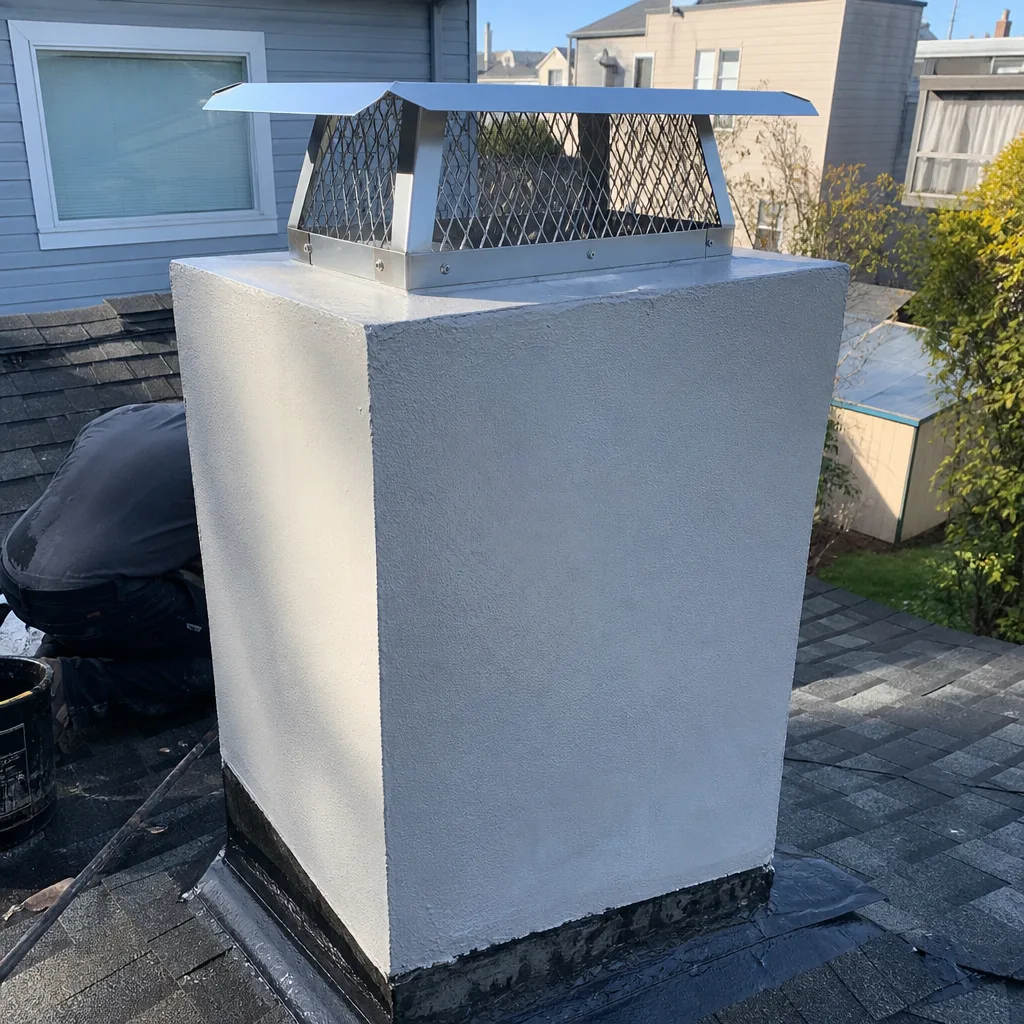
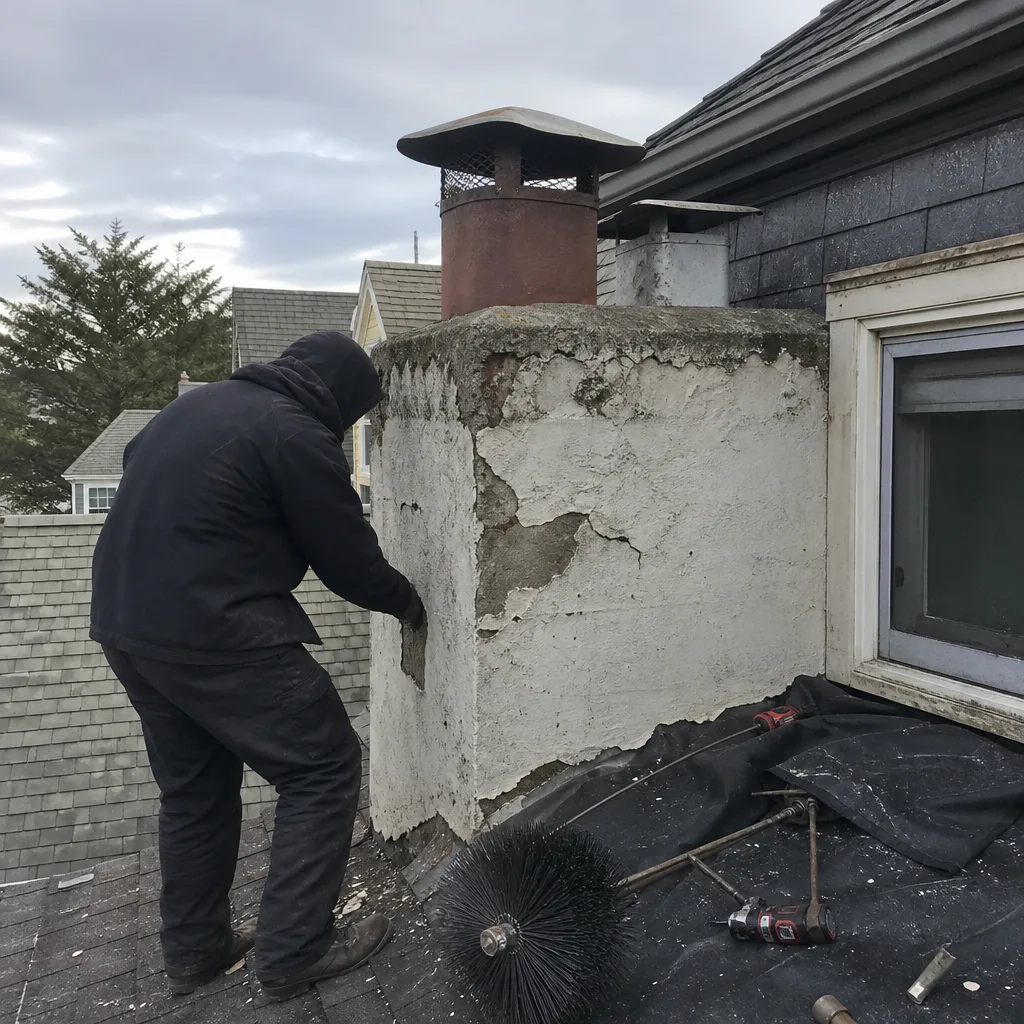
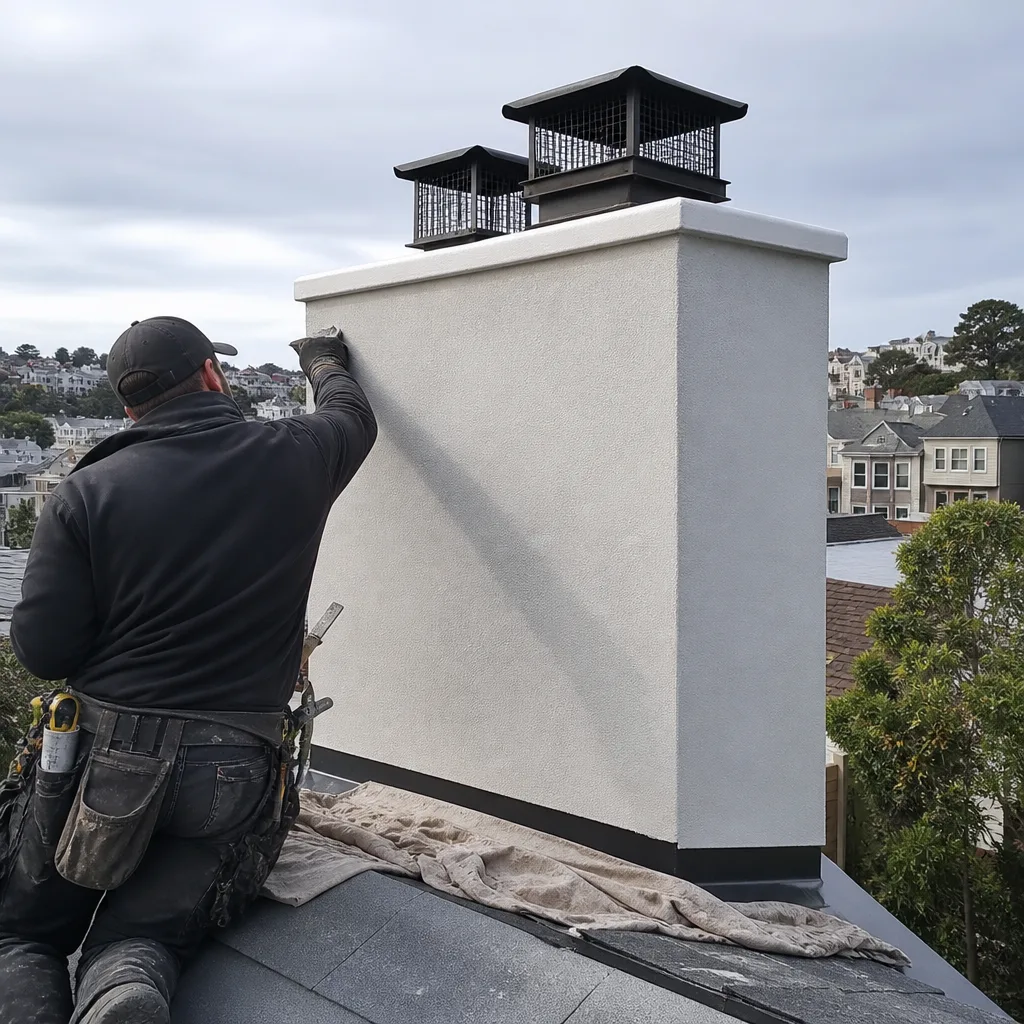
See the difference
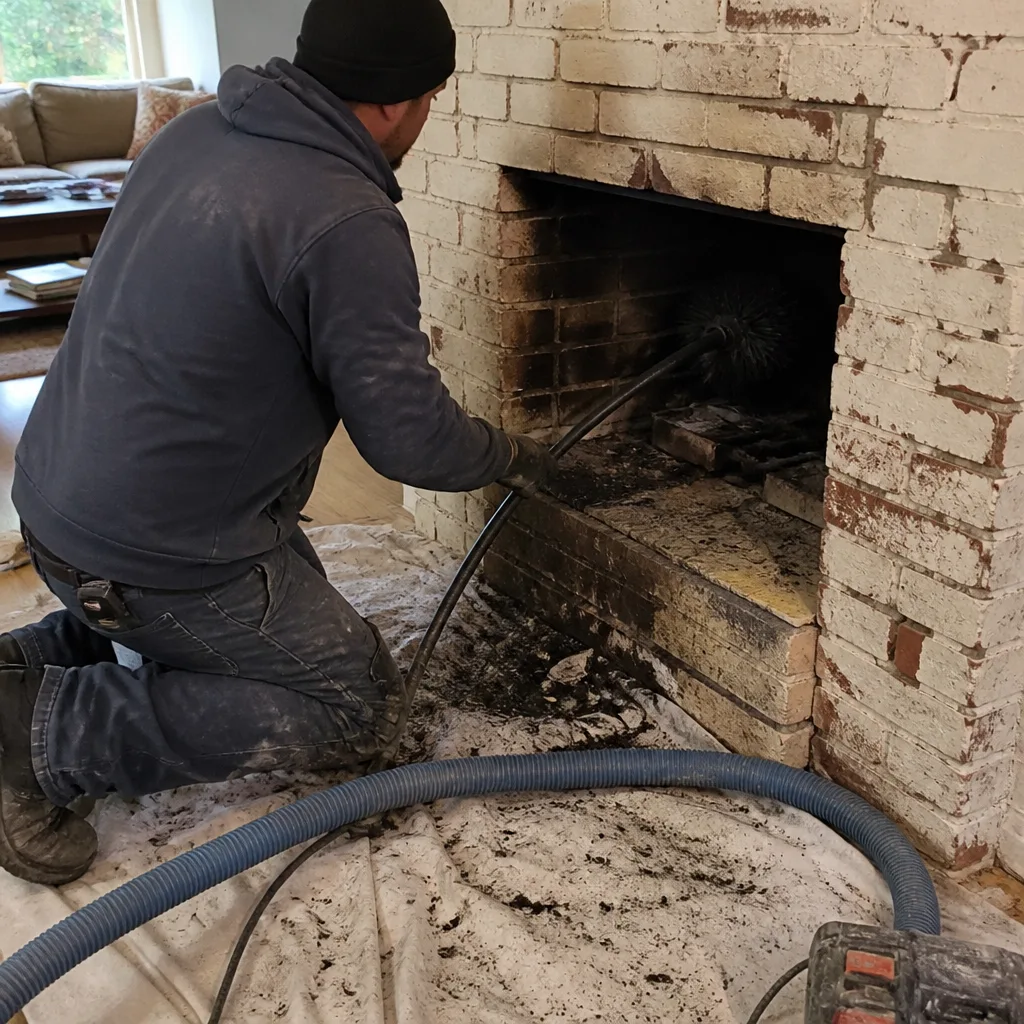 Before
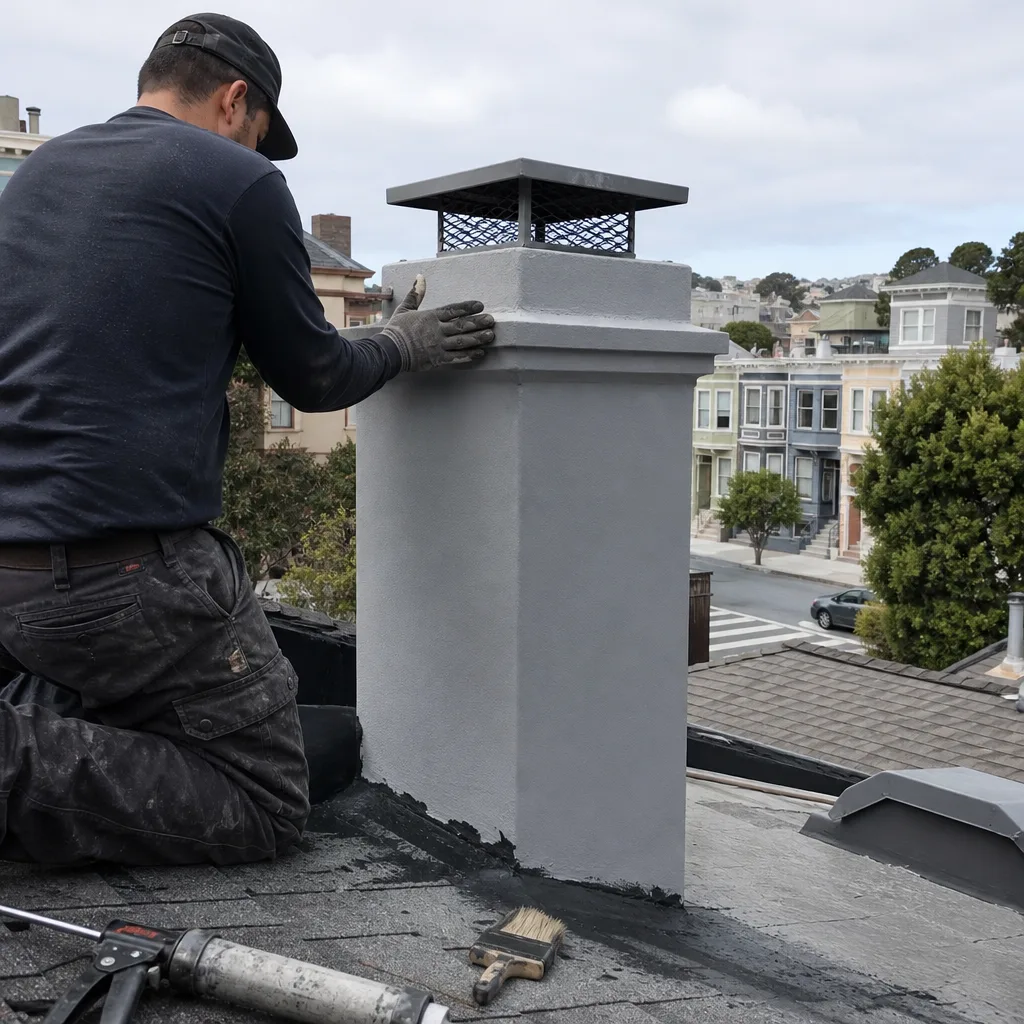 After
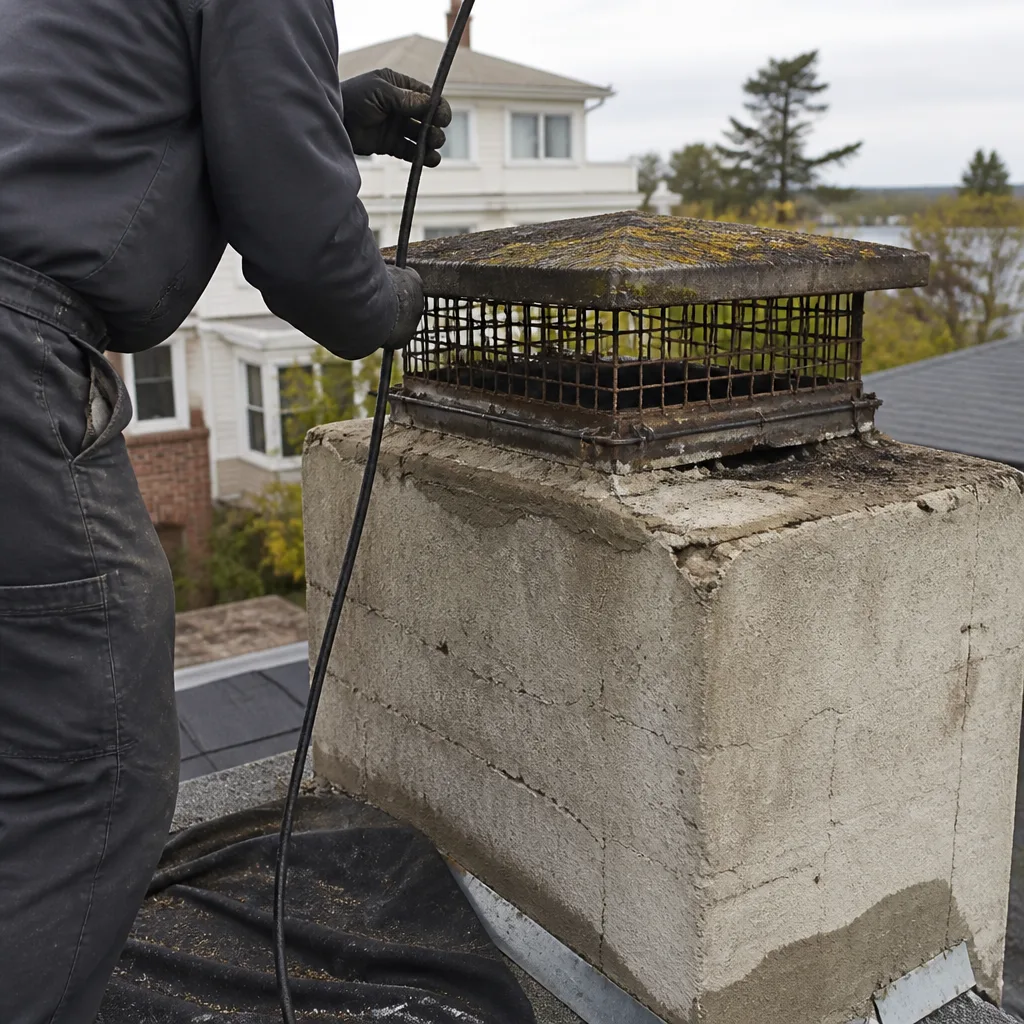 Before
 After
 Before
 After