
Last updated November 3, 2026
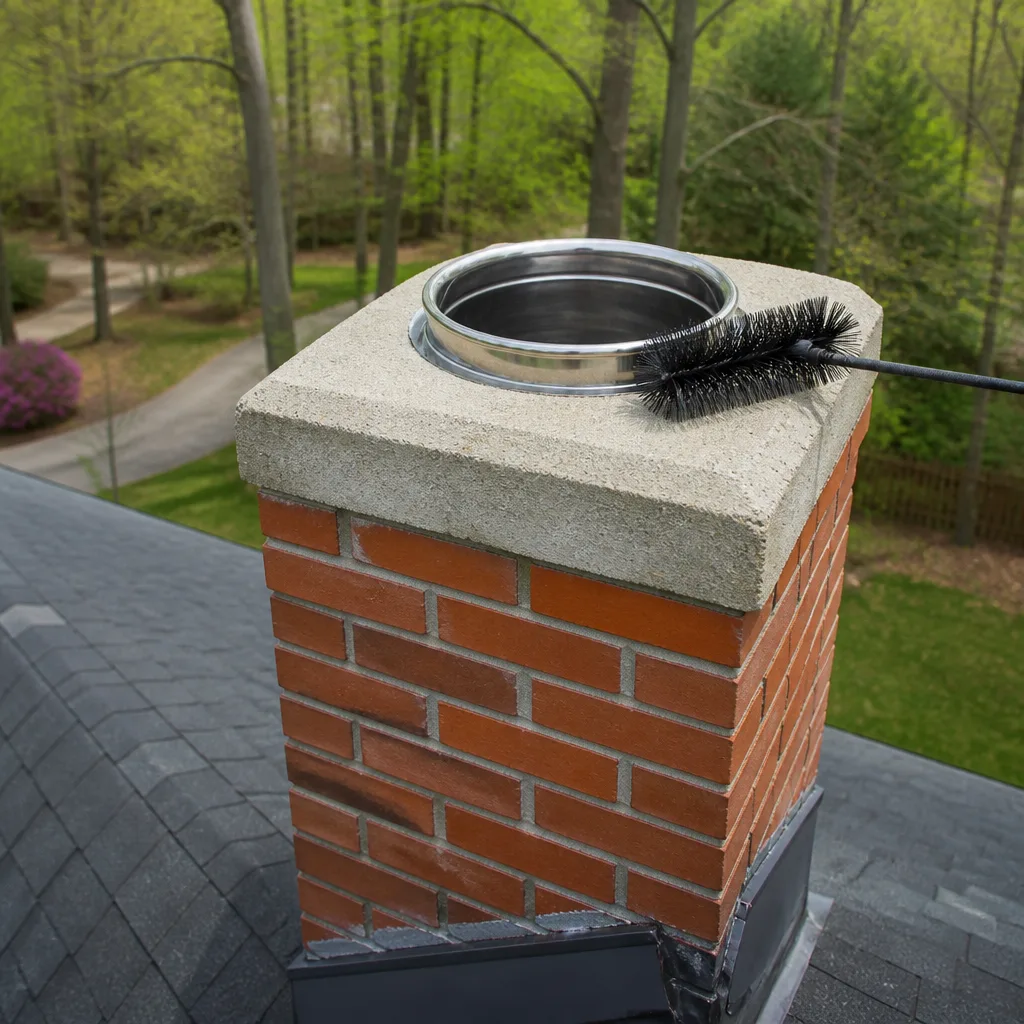 Sweep & inspection
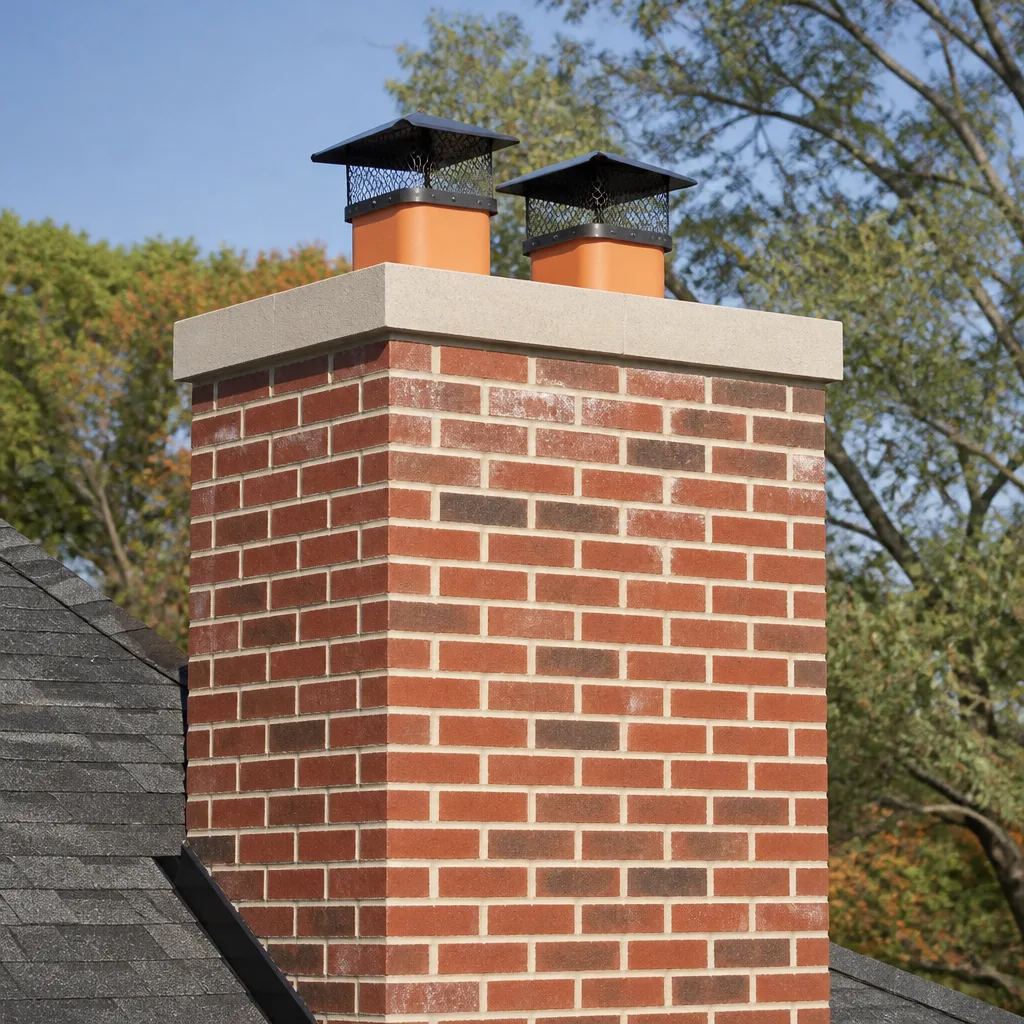 Caps & crowns
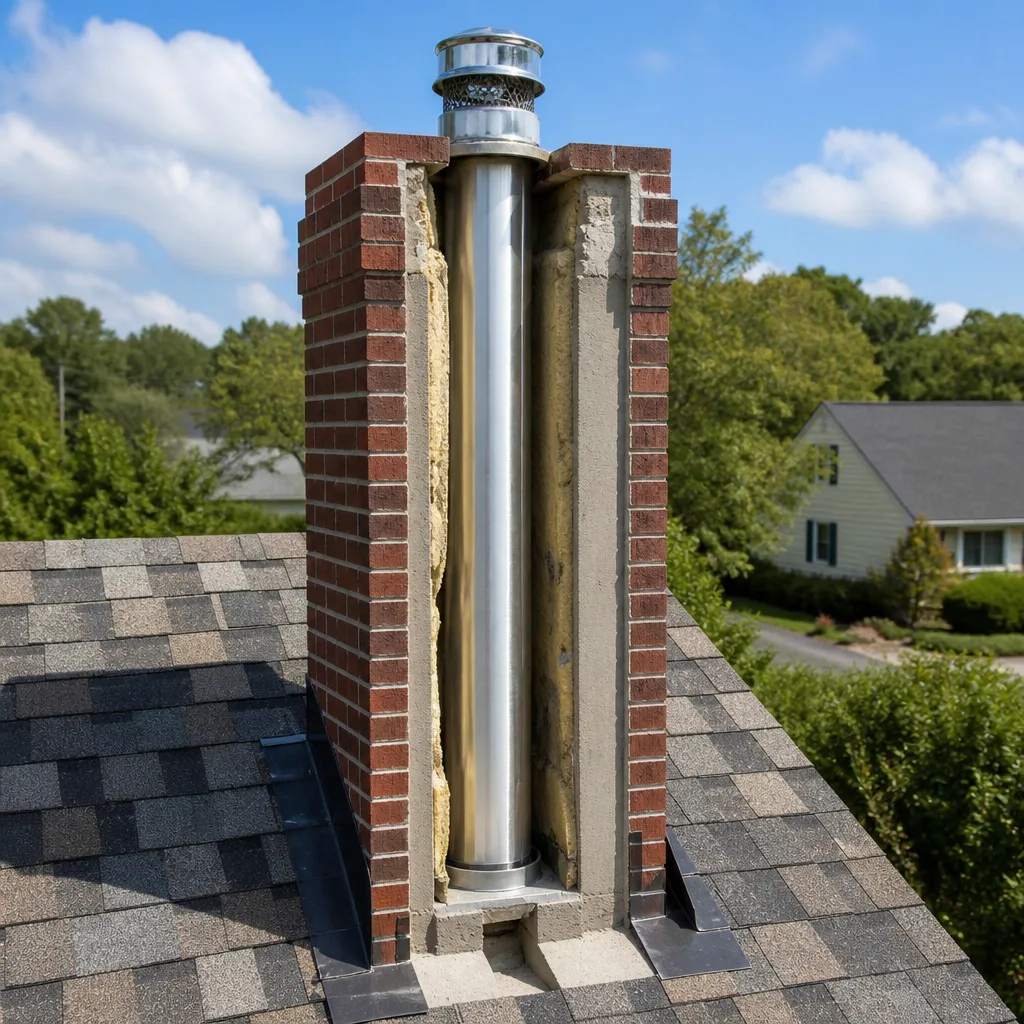 Flue relining
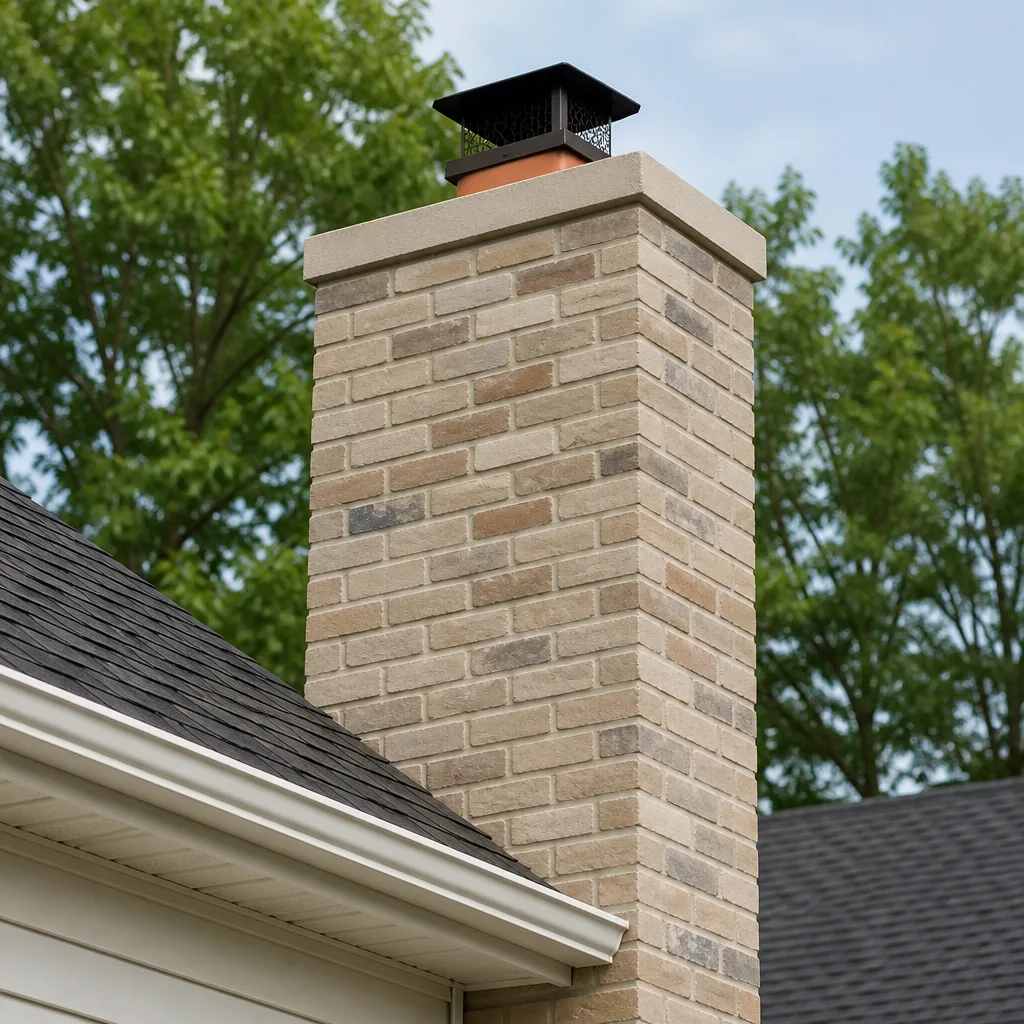 Masonry repair
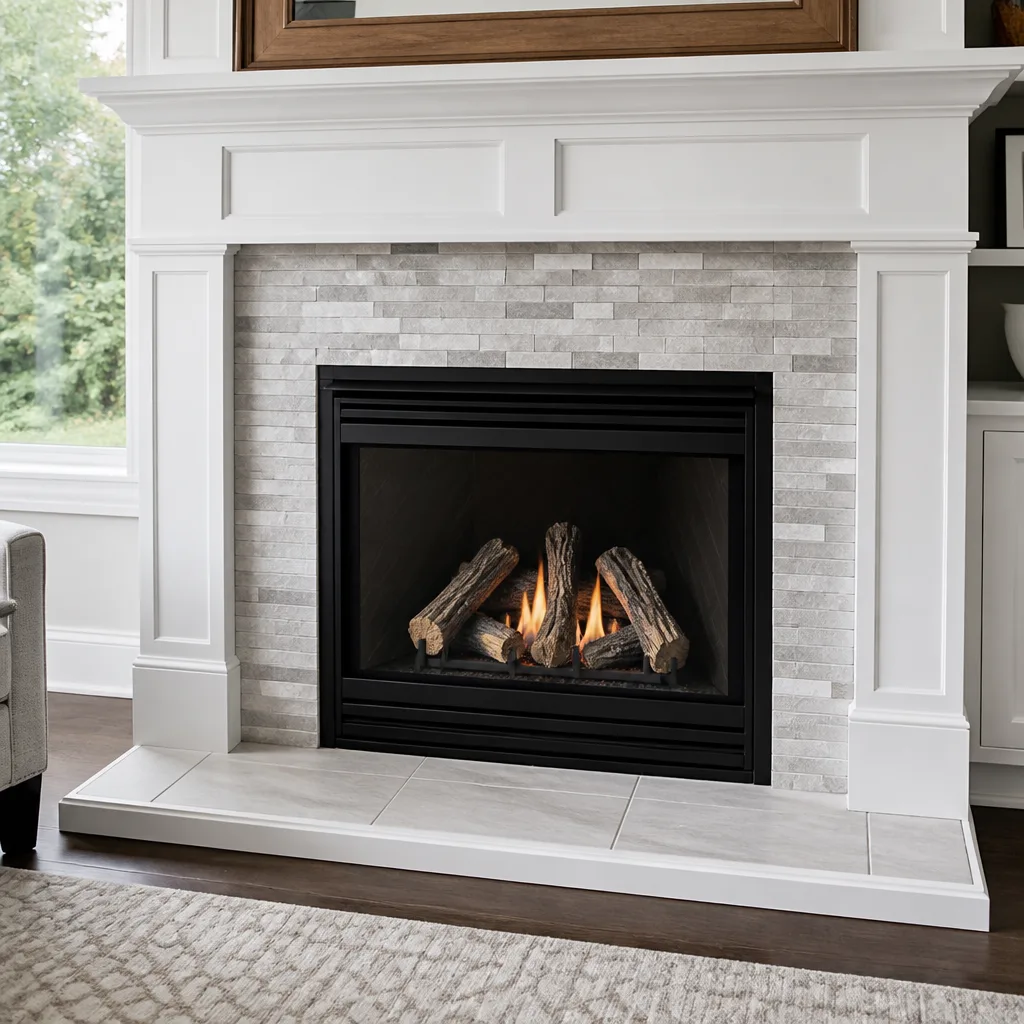 Gas fireplace service
Level 1 sweep and inspection to the NFPA 211 annual standard - flue, crown, cap, and flashing checked and photographed
Chimney sweep logs do not sweep chimneys. They loosen some creosote - which then falls where a brush and vacuum still have to collect it.
The Complete Chimney Sweep Guide for Alamo Square Homeowners
Here is a counterintuitive fact for anyone living near the Painted Ladies: Alamo Square’s most photographed homes may have flue systems that predate both world wars. Many of the Victorians and Edwardians in this neighborhood were built before 1906, and some still vent through original clay tile liners or early retrofit systems that were never designed for modern heating appliances. Those flues have survived earthquakes, fog seasons, and over a century of use, but they need a different kind of attention than a newer chimney in the Richmond or Sunset districts. This guide explains what is actually inside your chimney, how Alamo Square conditions affect it, and how to understand what a sweep technician tells you. You will learn what gets inspected, what common findings mean, which repairs cannot wait, and how to make an informed decision without being talked into unnecessary work. This is the guide we wish every Alamo Square homeowner had before their first sweep.
Styles & brands we work with
- Sweep & inspection
- Caps & crowns
- Flue relining
- Masonry repair
- Gas fireplace service
Quick Answer
A professional chimney sweep in Alamo Square typically costs $200 to $450 for a standard Level 1 cleaning and inspection on a masonry fireplace with an accessible roof. Homes with unusual flue configurations, pre-1940 construction, or suspected damage often need a Level 2 inspection, which adds $150 to $300 and includes camera work through the flue. The sweep itself takes 60 to 90 minutes, and you should plan for it annually if you burn wood more than twice a month during the November-to-February season.
Table of Contents
- Why Alamo Square Chimneys Differ From the Rest of San Francisco
- What a Professional Sweep Actually Includes
- Level 1 vs. Level 2 Inspections: What Alamo Square Homes Need
- How to Read Your Sweep Report Like a Pro
- Alamo Square’s Distinct Creosote and Moisture Profile
- Shared-Wall Chimneys in Pre-1940 Rowhouses
- A Seasonal Sweep Schedule for Alamo Square
- Common Mistakes to Avoid
- When to Call a Professional
- Frequently Asked Questions
- The Bottom Line
Why Alamo Square Chimneys Differ From the Rest of San Francisco
Alamo Square’s housing stock is not like the rest of the city. The neighborhood is anchored by Victorian and Edwardian homes built between the 1870s and the early 1900s, many of them with original masonry chimneys that have been patched, relined, or retrofitted through decades of incremental changes. The 1906 earthquake and subsequent fires destroyed some of the original structures, but the ones that survived often kept their original chimney stacks. That means a house on Steiner or Fulton might be venting a modern gas insert through a flue built for a coal-burning fireplace. The materials, the clearances, and the failure modes are all older than what a generic chimney checklist assumes. When we inspect a home near Alamo Square, we are looking at a system that has been adapted, not necessarily one that was engineered for its current use. That history matters because it changes what a safe chimney looks like.
Then there is the climate. Alamo Square sits on a hill that catches the marine layer reliably for much of the summer. That fog is not just cosmetic. Persistent moisture against brick and mortar accelerates spalling, which is the flaking and crumbling of masonry surfaces when water seeps in and expands. Combined with a burn season that often starts late, runs inconsistently until February, and pauses entirely for months, the result is a chimney that cycles between damp stagnation and sudden high heat. That pattern creates a specific kind of wear inside the flue, and it is why we inspect Alamo Square chimneys with a different eye than we would for an inland single-family home in Walnut Creek or Orinda.
What a Professional Sweep Actually Includes
A professional chimney sweep is not just brushing soot off the walls. A proper service call involves three phases: inspection, cleaning, and documentation. Here is what we do on a standard visit in Alamo Square:
- Pre-cleaning inspection. We check the firebox, damper, smoke shelf, and accessible flue interior before anything is cleaned. We look for obstructions, visible damage, and evidence of moisture or animal entry.
- Surface preparation. We lay down drop cloths, seal the firebox opening with a high-suction filter system, and set up negative pressure so dust does not enter the room. This is standard professional practice, and anyone who skips it is not doing a professional job.
- Mechanical cleaning. We use rotating brushes sized to your flue dimensions, driven from the top or bottom depending on roof access and flue configuration. The brush removes creosote, soot, and debris from the flue walls.
- Post-cleaning inspection. After cleaning, we inspect again. Clean flue walls reveal more than dirty ones. Cracks, gaps, and deteriorated mortar joints become visible once the soot is gone.
- Written findings. You get a report that describes what we saw, what we cleaned, and what we recommend. If we used a camera, you get photos. You should never be asked to approve additional work based on something you cannot see for yourself.
In our experience, this last step is where homeowners get the most value. A good chimney sweep in Alamo Square explains findings in plain terms, not trade jargon. You should know exactly what is in your flue and why it matters before you spend another dollar.
If your home has a dryer vent connected to the same chase or running through the same wall cavity, that is another exhaust system that deserves attention. Many chimney companies never look at dryer vents. We do, because a clogged dryer vent is a statistically more common fire source than a chimney fire in most homes. You can read more about our dryer vent cleaning in Alamo Square service if you want the full picture, but the short version is this: if we are already on your roof and your dryer vent terminates nearby, checking it takes minutes and can catch a problem before lint buildup becomes a liability.
Level 1 vs. Level 2 Inspections: What Alamo Square Homes Need
Chimney inspections are classified by the National Fire Protection Association into three levels. Level 1 is the default for a chimney that has not changed since its last inspection. Level 2 is required when there has been a change: a new appliance, a new liner, a property transfer, or an event like an earthquake or chimney fire. Level 3 is invasive and involves removing components of the building, which is rare in routine maintenance.
For most Alamo Square homeowners, the deciding question is whether your home has had continuous, documented maintenance. A Victorian on Lyon Street that has been swept every year and has camera records from the last visit can often proceed with a Level 1. But a home that has recently changed hands, added a gas insert, or gone years without service should start with a Level 2. The Level 2 adds internal camera inspection of the entire flue length, including the attic portion and the areas behind walls that you cannot see from either end.
Here is what each level includes in practical terms:
- Level 1: Visual inspection of accessible exterior and interior surfaces, basic flue check with the equipment at hand, confirmation that the flue is free of obstructions. No camera. No removal of permanent components. Duration: 15 to 30 minutes, performed alongside a standard sweep.
- Level 2: Everything in Level 1, plus an internal video scan of the full flue, inspection of the attic chase, and a check of clearances to combustibles in concealed spaces. The camera reveals what your eyes cannot. Duration: 30 to 60 additional minutes.
- Level 3: Reserved for when a Level 2 has already identified a problem that cannot be assessed without opening a wall or removing masonry. Rare, and usually tied to a major renovation or suspected structural failure.
- Stage 1 creosote: A dusty, flaky soot layer. This is normal after a burn season and comes off with a standard sweep. Not a structural concern.
- Stage 2 creosote: A thicker, crumbly deposit that looks like baked-on tar. It builds up in damp or low-temperature flues, which means we see it a lot in Alamo Square where fog-season moisture cools flue gases. Stage 2 requires more aggressive brushing and sometimes chemical treatment. If left alone, it can transition to Stage 3.
- Stage 3 creosote: A hard, glazed coating that is extremely difficult to remove with brushes alone. It forms when creosote bakes at high heat. Stage 3 is a fire risk and often requires rotary cleaning tools or chemical treatments before the flue can be returned to service.
- Spalled flue tile: The inner clay liner has begun to flake and crumble. This is moisture damage, common in older Alamo Square chimneys that have absorbed decades of fog and rain. Spalled tiles create an uneven surface that catches creosote and allows heat to escape into surrounding masonry. It often signals the need for resurfacing or relining, depending on severity.
- Flue gap or separated tile joint: The tile sections have separated, creating a crack that allows heat and combustion gases into the chimney structure. This is a fire and carbon monoxide concern and should be addressed before the next burn season.
- Obstruction: A nest, debris, or fallen tile blocking the flue. This requires removal before the chimney can be used, and if the obstruction is a fallen tile, the liner damage behind it needs evaluation.
- September to early October: Book your sweep before the first consistent cold stretch. This is the highest-demand period for sweeps in San Francisco, and Alamo Square’s Victorian homes take longer to service because of roof access and older flue configurations. Booking early gets you a slot before the rush.
- October to November: Your sweep should be complete by now. If you rely on heat, this is when the first fires happen. A chimney that has been cleaned and inspected in September is ready for the season.
- December to February: Monitor creosote buildup if you burn frequently. Homes that burn wood three or more nights a week may need a mid-season cleaning, especially if you are burning soft woods that produce more creosote. A mid-season check costs a fraction of what a late-stage creosote removal costs.
- March to May: This is the ideal window for structural work and relining. Once the burn season winds down, the roof is more accessible, and masonry and liner work can be done without interfering with your heat. If a January inspection found damage, this is when you fix it.
- June to August: Off-season maintenance. Cap replacement, crown repair, and flashing work are all easier to schedule in summer. The fog is permissive in the Morningside Heights area near Alamo Square, which means the chimney is not drying out, but the work itself does not depend on dry weather in the same way exterior painting would.
- Assuming a low-use fireplace does not need sweeping. We have pulled animal nests and decomposed mortar out of flues that had not seen a fire in three years. In Alamo Square’s damp climate, even an unused chimney collects debris and moisture damage that needs assessment.
- Hiring based on price alone. The cheapest sweep in San Francisco is often a one-person operation with a rotary brush and no camera. That will not tell you about the spalled tile behind your wall. A professional sweep is an inspection as much as a cleaning, and the inspection is what you are paying for.
- Ignoring the report after the sweep. A written finding of Stage 2 creosote or flue gaps is not a suggestion. It is a documented condition that becomes more expensive and more dangerous if left unaddressed. Revisit the report each fall before you light the first fire.
- Treating the chimney as a stand-alone component. Your chimney vents through your roof, and it is affected by your roof flashing, your chimney cap, and your attic insulation. A chimney problem is sometimes the first symptom of a larger building envelope issue. If your chimney is leaking, the fix may be in the flashing, not the flue.
- Using the fireplace while the damper is stuck or partially closed. A damper that does not operate correctly changes the draft and can pull smoke and carbon monoxide into your living space. If your damper is stuck, do not use the fireplace until it is fixed.
- Skipping a Level 2 inspection after buying an older home. Many Alamo Square properties have changed hands without the chimney ever being camera-inspected. The period right after closing is the best time to get a Level 2, because you are already spending money on the property and you need to know the condition of every system you cannot see.
- Assuming a gas log set means the chimney is maintenance-free. Gas appliances produce acidic condensate that eats away at clay tiles and mortar over time. A gas log set in a pre-1940 chimney still needs annual inspection because the flue is being attacked by a different process than wood creosote.
For Alamo Square’s older homes, we lean toward Level 2 more often than we would for newer construction. The reason is straightforward: flues in these buildings have had more chances for hidden damage, from seismic movement to historical reconstruction. A Level 2 gives you visual evidence of the flue’s true condition, and that evidence is what protects you from being sold a liner replacement you do not need, or from sleeping in a house with a compromised flue you did not know about.
How to Read Your Sweep Report Like a Pro
After a sweep, you should receive a written report. The language in that report can vary from company to company, but most technicians use terminology from the Chimney Safety Institute of America or from the NFPA 211 standard. Here is a translation of the findings you are most likely to see on an Alamo Square home:
When you see a recommendation on a report, ask for the evidence. “We recommend relining” should come with camera images or a specific description of what the camera showed. “Spalled flue tile” should come with a photo or at minimum a clear verbal description of where and how much. A professional can explain findings in plain terms. If an explanation makes you more confused, not less, get a second opinion. One of the reasons we use and recommend professional-grade products like DuraFlex liners and HeatShield resurfacing is that both are specific solutions for specific, documentable problems. You should never be asked to pay for a relining project based on a vague note on an invoice.
Alamo Square’s Distinct Creosote and Moisture Profile
The creosote you find in an Alamo Square chimney is different from what you would find in Truckee or South Lake Tahoe, and that is not a stylistic distinction. It is a physical one. In cold, dry climates, wood burns hot and creosote tends to form as Stage 1 flake that brushes off easily. In coastal climates with high ambient humidity and long periods between fires, the same wood produces a denser, stickier deposit. When you light a fire in a damp Alamo Square chimney, the moisture in the masonry cools the flue gases more than normal, and those gases condense on the flue walls as a wet, brown substance that dries into Stage 2. If you let that cycle repeat for multiple seasons, the Stage 2 compacts and hardens into Stage 3, which is a serious fire hazard.
The moisture side of the equation is equally important. San Francisco’s marine layer is not an occasional visitor to Alamo Square. It is a regular presence for much of the year, and the fog’s moisture does not stay on the outside of the chimney. It penetrates brick and mortar, especially if the chimney cap is missing or damaged. Once moisture is inside the masonry, it causes spalling and mortar deterioration, which creates new pathways for more moisture. In a pre-1940 chimney with original clay tile, that cycle is accelerated because the tiles themselves are more porous after a century of use.
This combined profile is why we tell Alamo Square homeowners that their chimney is not just dirty when it gets swept too late. It is being chemically altered. A chimney that gets swept consistently, even with modest use, avoids the Stage 2-to-Stage 3 progression and the slow failure of the throat and flue tile. A chimney that waits three or four years between sweeps is not just harder to clean. It is more likely to need structural work, and structural work costs ten times what a sweep costs.
Shared-Wall Chimneys in Pre-1940 Rowhouses
If you live in one of Alamo Square’s attached or semi-attached homes, your chimney may not be entirely your own. Many of the neighborhood’s rowhouses were built with shared chimney stacks that vent multiple units or neighboring homes through separate flues in the same masonry structure. Even where each unit has its own flue, the flues are often separated by a single wythe of brick, which means damage in one flue is not necessarily isolated from the ones next to it.
This matters for several reasons. First, clearance to combustibles in a shared chimney is a common finding in older construction. Framing, lath, or roofing materials were sometimes built directly against the masonry, which leaves no margin for heat transfer. Second, a crack in your neighbor’s flue can allow combustion gases to migrate through the masonry into your flue or your wall cavity. Third, if one flue is relined and another is not, the structural load on the shared stack changes, and the unlined flue becomes the weak point.
When we inspect a shared-wall chimney in Alamo Square, we look for evidence of cross-flue movement, which is when flue gases from one unit enter another. We check the mortar crown for cracks that allow moisture into both flues. And we pay attention to the attic chase, where shared chases are often improperly sealed between units. If you share a chimney with a neighbor, you need to know that your neighbor’s maintenance decisions affect your safety. That is not a reason to ignore the chimney. It is a reason to inspect yours carefully and document your own flue’s condition independently.
A Seasonal Sweep Schedule for Alamo Square
National advice usually says to sweep your chimney once a year before the burn season. That is reasonable, but it misses the rhythm of Alamo Square specifically. Here is a schedule that matches the way people actually use fireplaces in this part of San Francisco:
The key takeaway is not that Alamo Square has a different burn season than the rest of the country. It is that the schedule is compressed by the marine layer. You are fighting moisture from June through August and cold from November through February. The windows when work can be done well are narrower than general advice assumes. Plan accordingly.
Common Mistakes to Avoid
When to Call a Professional
Call a chimney professional if you see white staining on the chimney exterior, which indicates moisture penetration and ongoing spalling. Call if you smell a musty or smoky odor coming from the fireplace when it is not in use, which often means Stage 2 or Stage 3 creosote or a draft problem in the flue. Call if you can see cracked or missing mortar on the chimney crown, or if your fireplace smokes into the room even with the damper fully open. And call if you have just purchased an older Alamo Square property and have no documented inspection history for the chimney. Chimney repair in Alamo Square starts with a proper diagnosis, and the earlier you catch damage, the smaller the repair scope. Chimney Sweep Alamo Square offers free estimates in Alamo Square. Call (833) 620-7061 to schedule an inspection.
Frequently Asked Questions
A standard Level 1 sweep in Alamo Square costs between $200 and $450, with most single-flue masonry fireplaces falling in the $250 to $350 range. If you need a Level 2 camera inspection, add another $150 to $300. Homes with difficult roof access or taller chimney stacks may cost more because of safety equipment and time. Call (833) 620-7061 for a free estimate that reflects your specific home.
Every year, even if you only burn occasionally, because the marine layer in Alamo Square introduces moisture that accelerates creosote densification and masonry deterioration. Homes that burn wood more than twice a week all season may need a mid-season cleaning around January. A gas-fireplace chimney can sometimes go two years between sweeps, but it should still get an annual inspection because gas exhaust is acidic and corrodes clay tiles.
A Level 1 inspection is a visual check of the accessible parts of the chimney and is standard during a routine sweep. A Level 2 inspection adds a full camera scan of the flue interior, including hidden areas like the attic chase and concealed spaces between floors. Level 2 is required after a property transfer, an appliance change, an earthquake, or a chimney fire, and we recommend it for any Alamo Square home with unknown maintenance history.
We see three patterns most often: moisture-driven spalling of the original clay flue tiles, creosote that has hardened into Stage 2 or Stage 3 due to damp, low-temperature burning, and cracked crowns that let fog-season moisture into the masonry. Shared-wall chimneys in the neighborhood’s rowhouses also show cross-flue movement and clearance issues that newer construction would not have.
Not necessarily. A liner replacement is indicated when the existing tile is spalled, separated, or structurally unsound, and that can happen even with occasional use because the damage is often moisture-related, not heat-related. The deciding evidence is a camera inspection. If the camera shows a clean, intact tile liner, you do not need a new one no matter what a report implies. If the camera shows gaps or crumbling tile, the liner needs attention regardless of how often you burn. Ask to see the images before you approve any relining work.
Yes, and here is why: both systems exhaust through your walls or roof, both accumulate flammable material, and both are often ignored until something fails. A dryer vent cleaning in Alamo Square takes less than an hour when done alongside a chimney sweep, and we can inspect both exhaust paths while we are already on the roof. Lint buildup in a dryer vent is a leading cause of house fires, and most chimney companies do not even look at it. We do, because the two systems often share the same chase in older Alamo Square homes.
The Bottom Line
If you live in Alamo Square, your chimney is part of an older home that has been adapted over time, and it needs a specific kind of attention. The fog and marine layer mean your flue holds moisture longer and develops denser creosote than an inland chimney. Your masonry tiles have been absorbing San Francisco weather for decades, and the damage accumulates slowly until it becomes structural. A professional chimney sweep with camera inspection is the cheapest way to know what you are dealing with. One call covers the sweep, the vent, and the repair, so you do not need to coordinate multiple contractors. Click over to our Chimney Sweep Alamo Square home page to see the full scope of services, then call (833) 620-7061 to get your chimney on the schedule before burn season starts.
Written by the team at Chimney Sweep Alamo Square, serving Alamo Square since 2011. For more guides & resources, visit our blog.
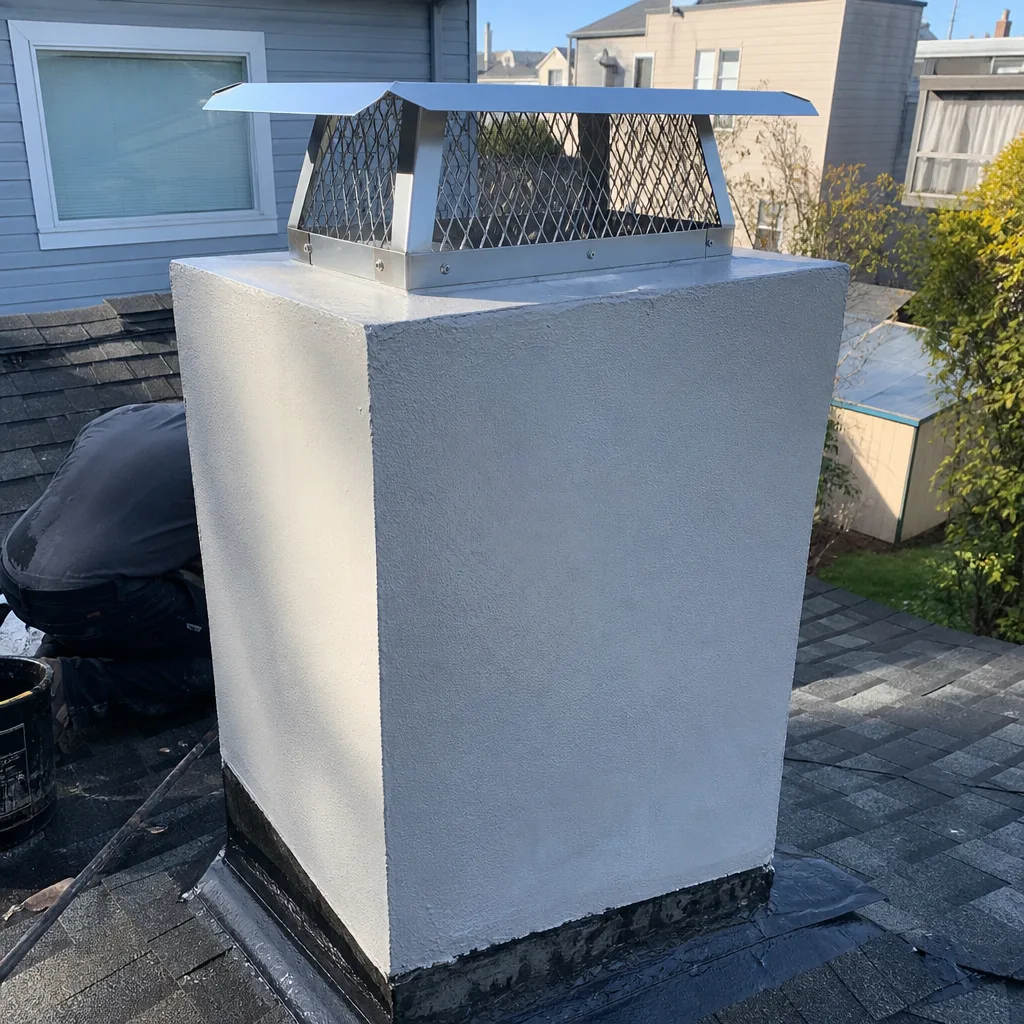
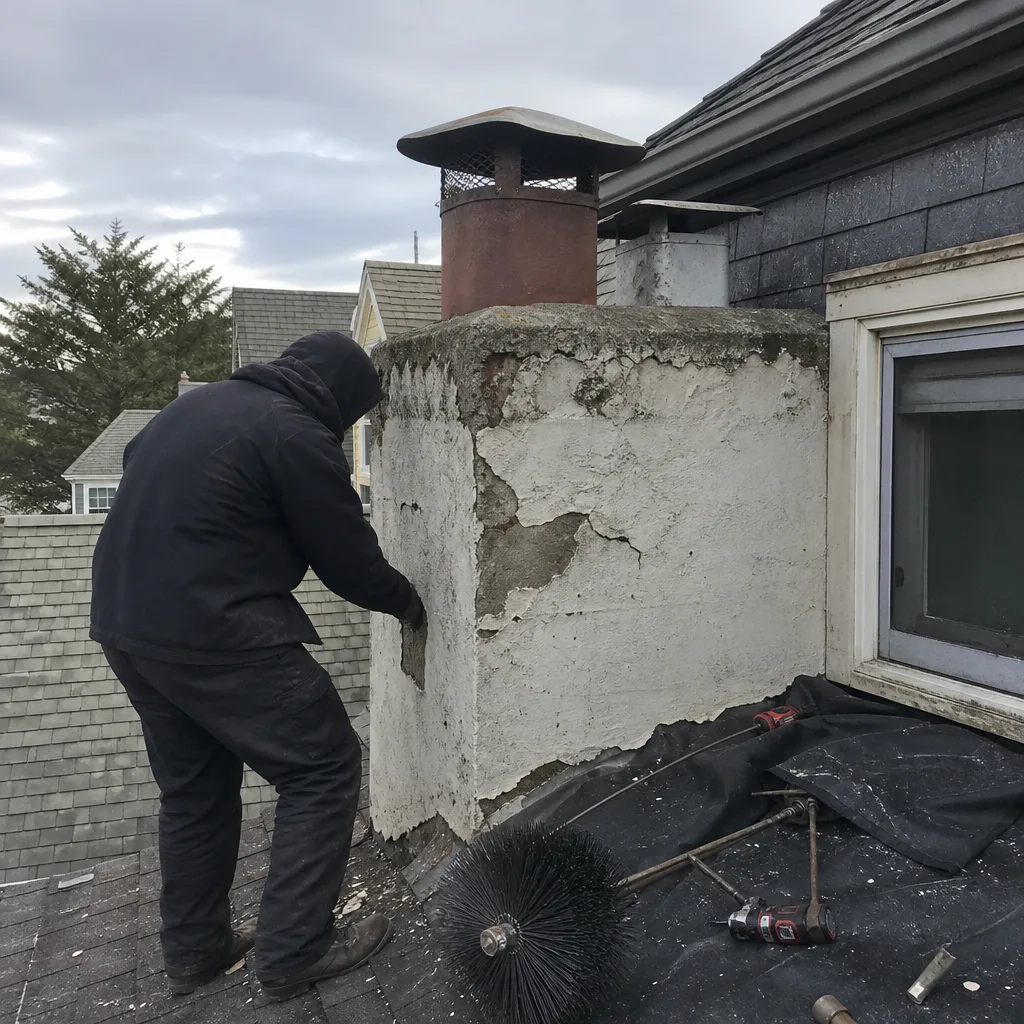
See the difference
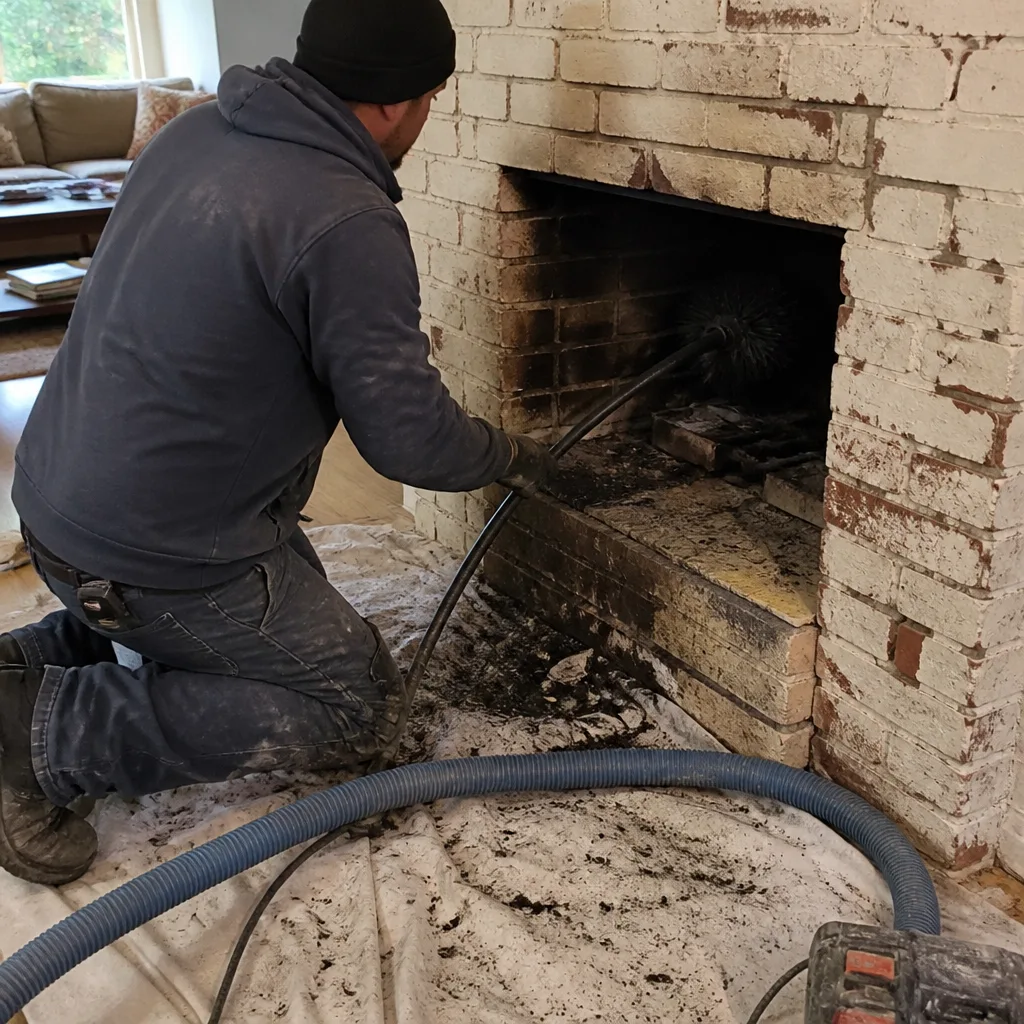 Before
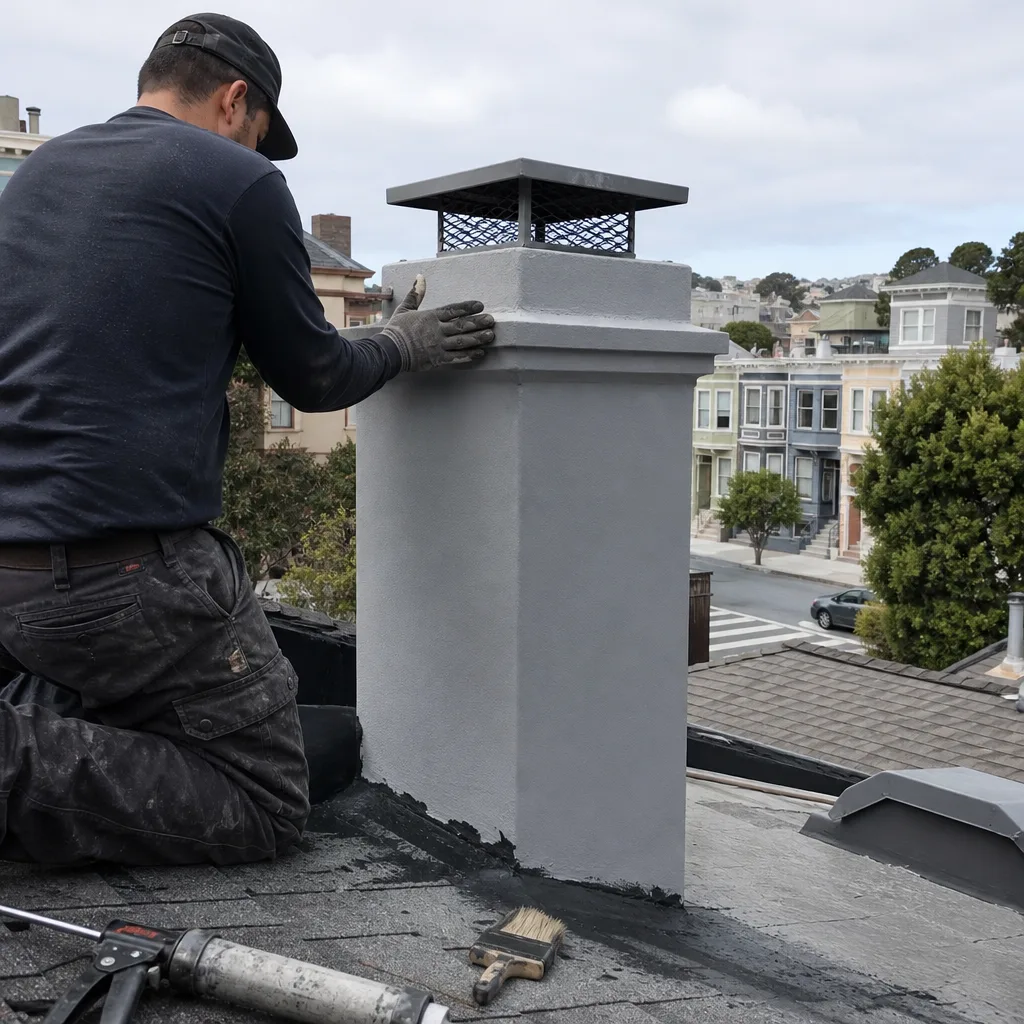 After
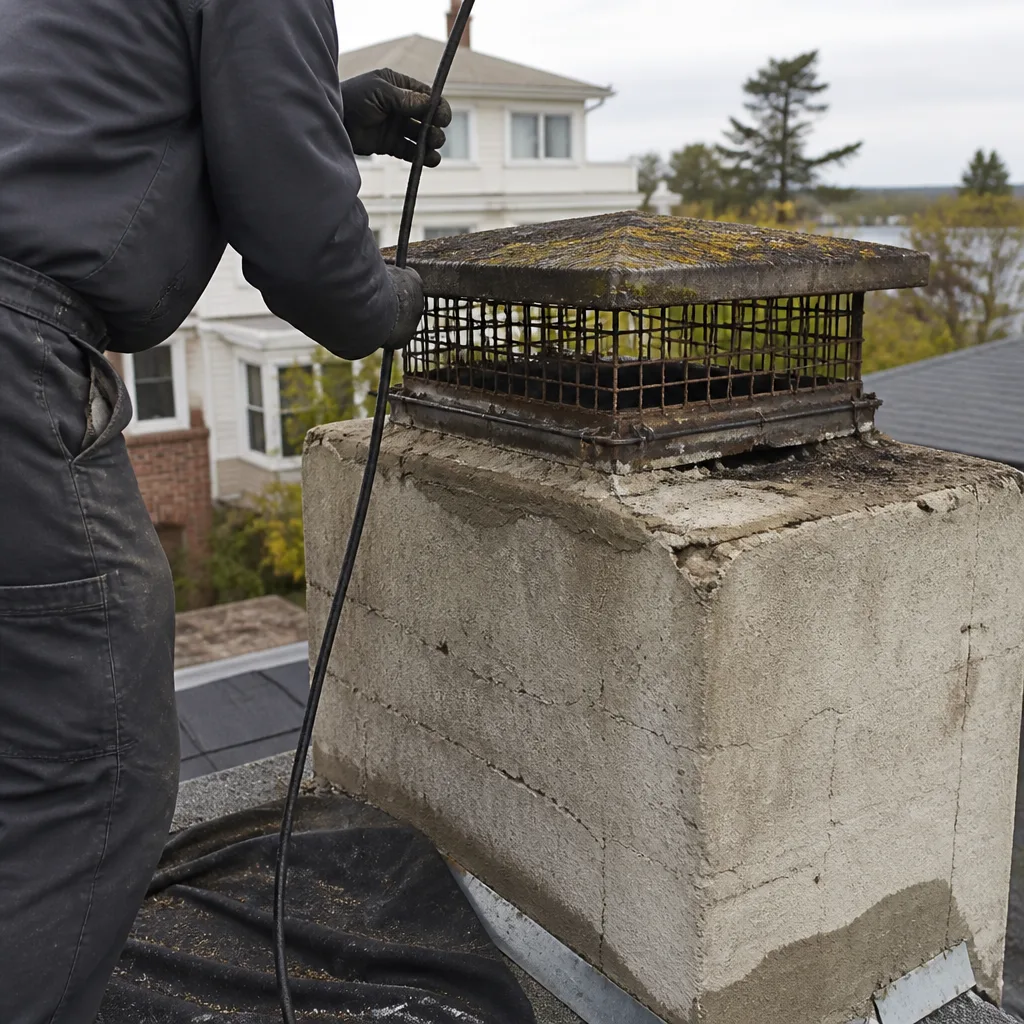 Before
 After
 Before
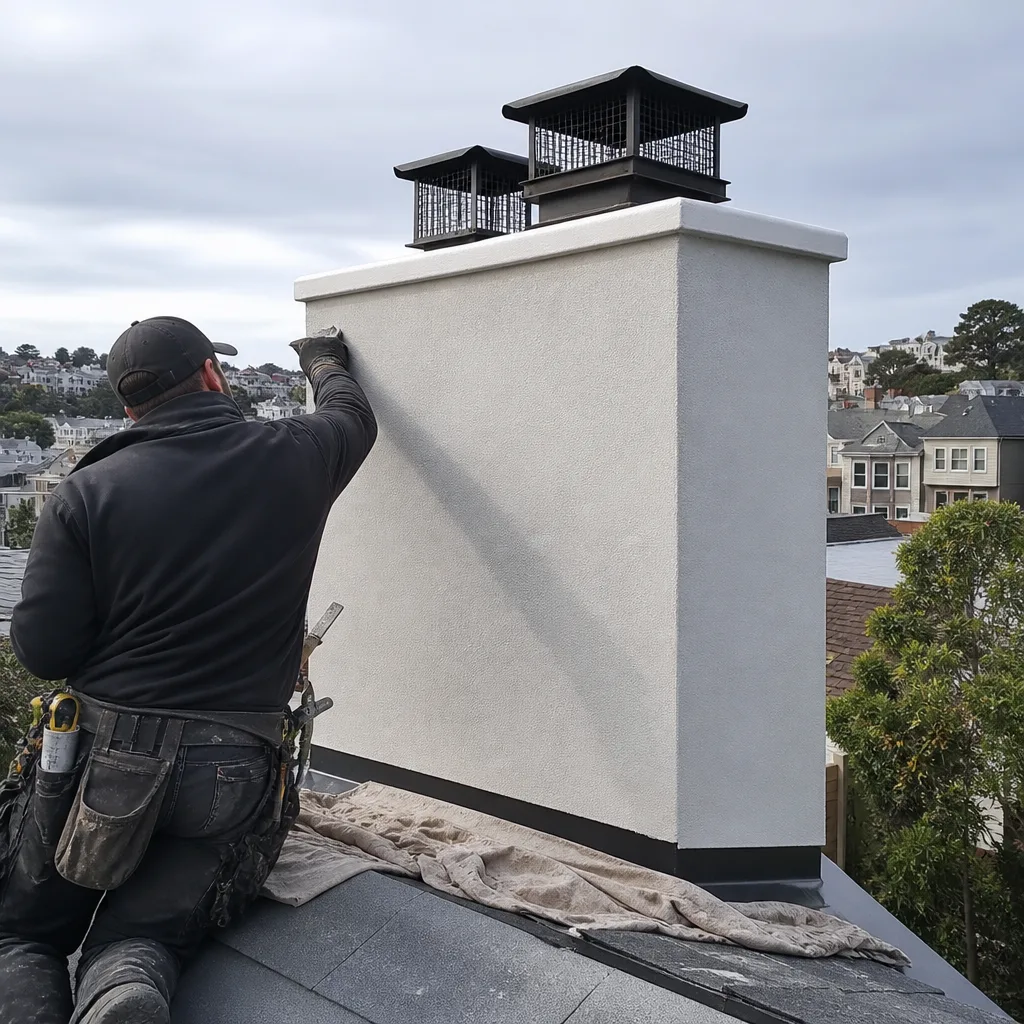 After