
Last updated November 2, 2026
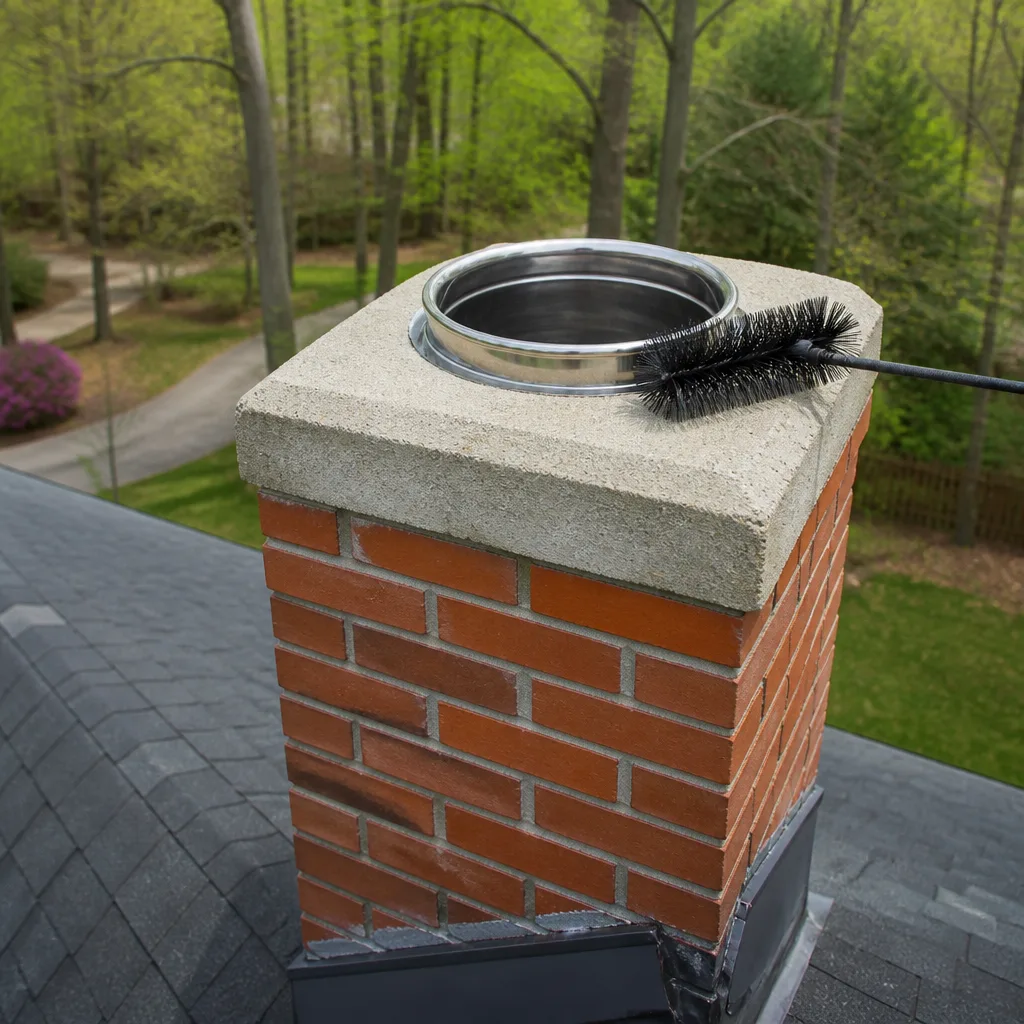 Sweep & inspection
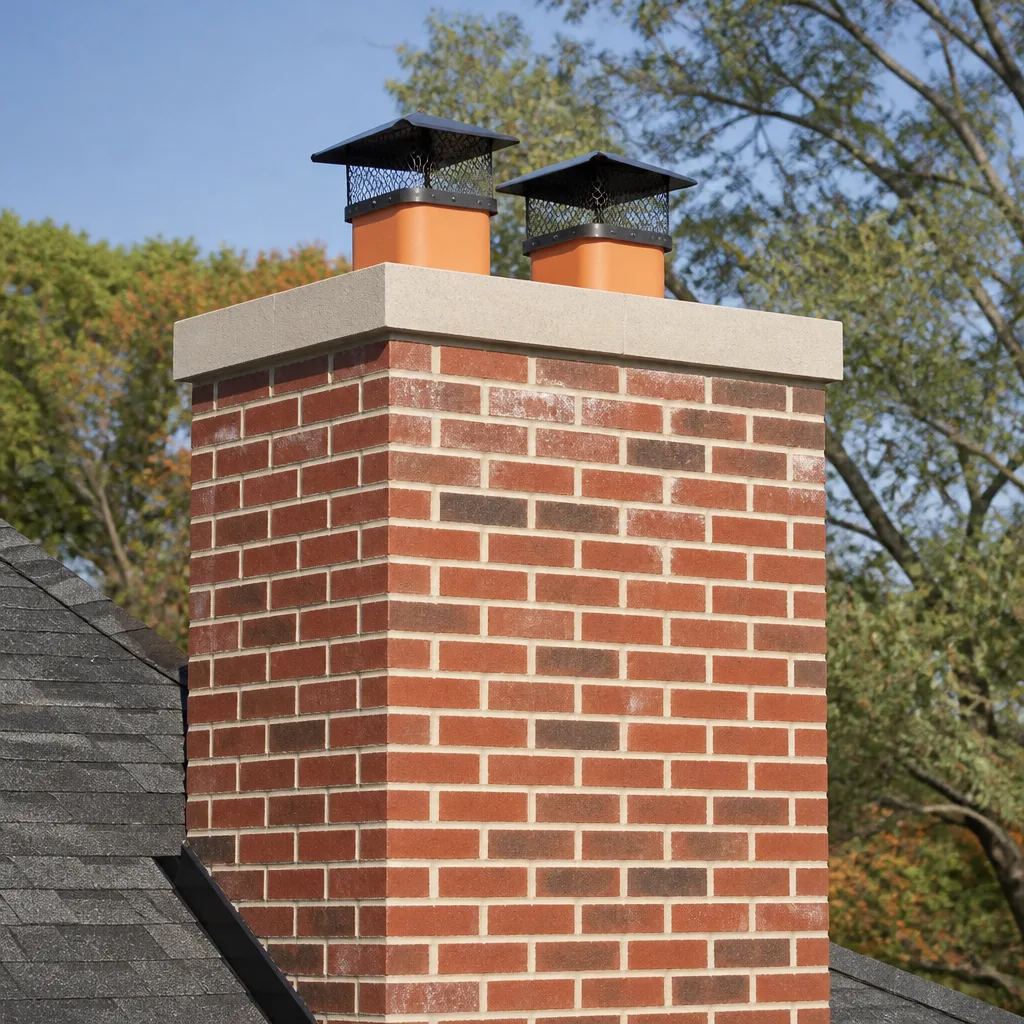 Caps & crowns
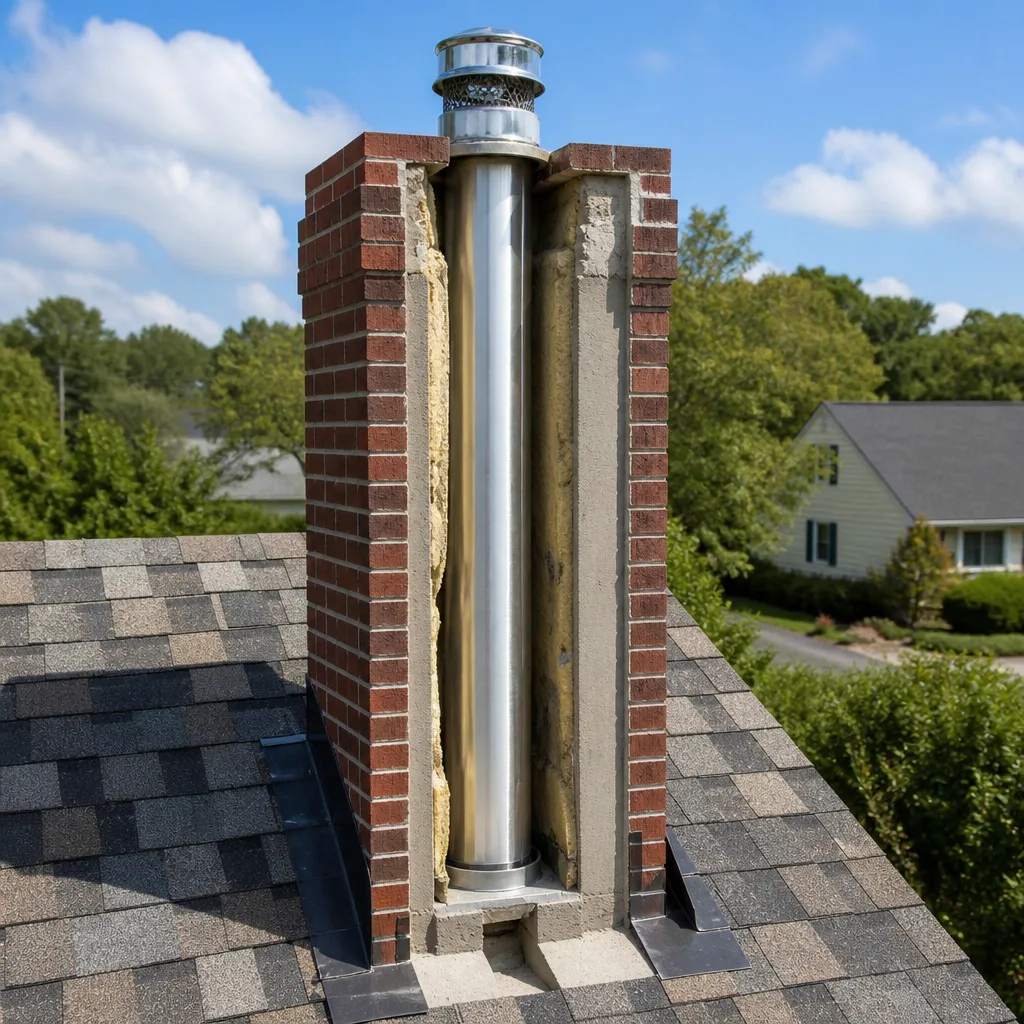 Flue relining
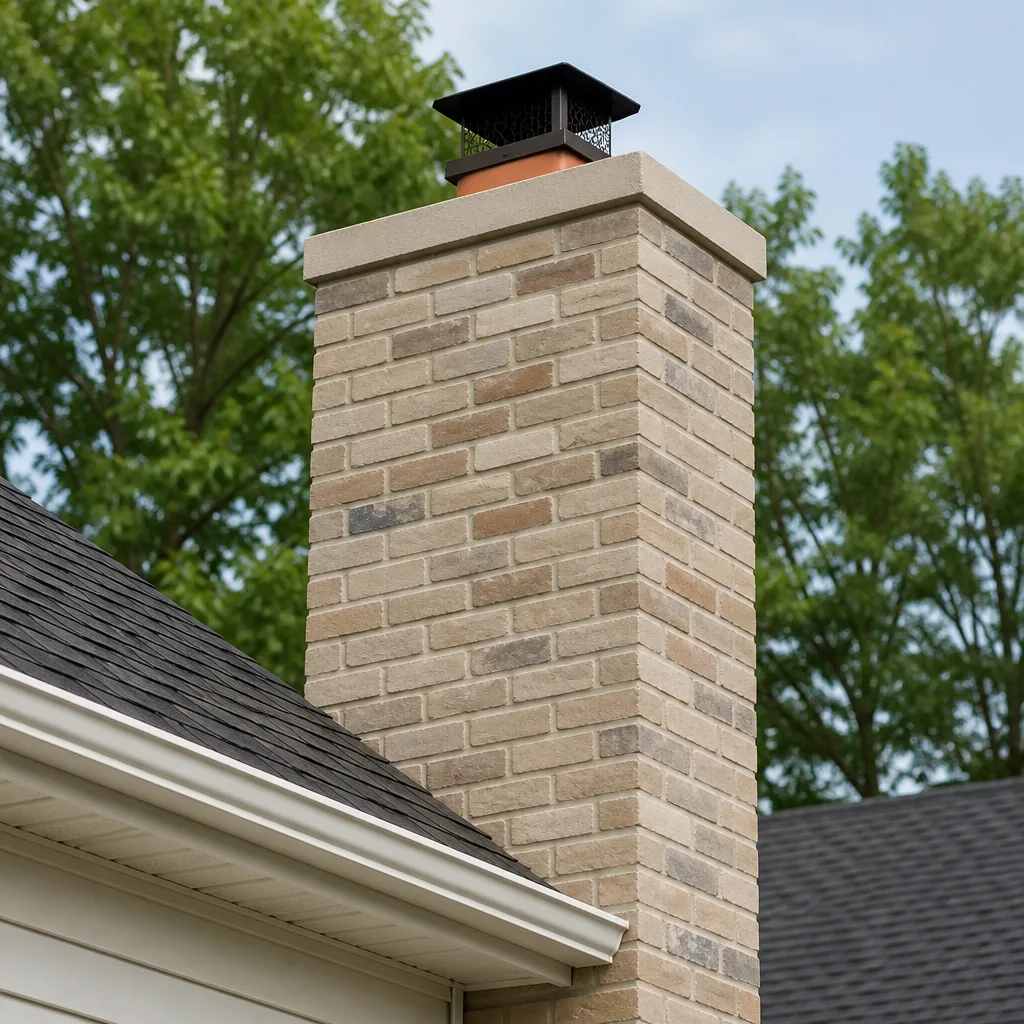 Masonry repair
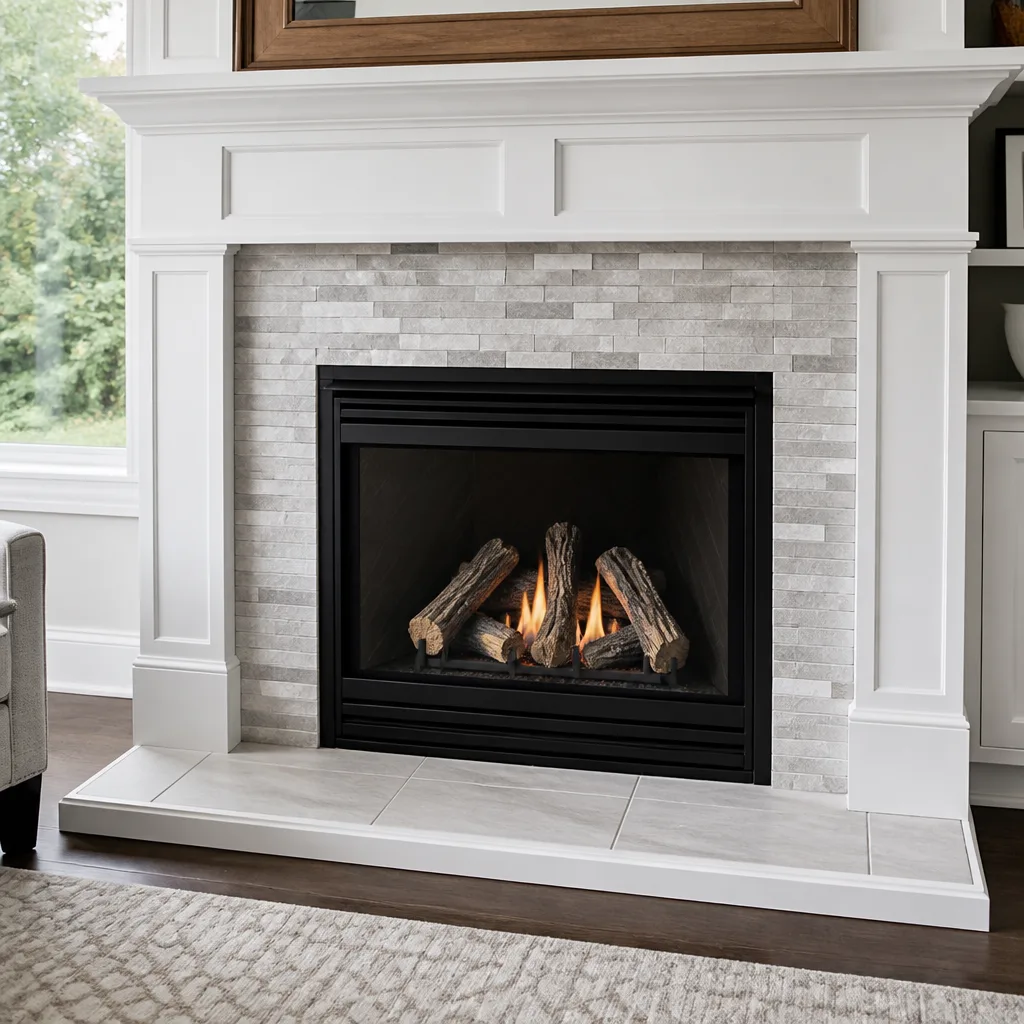 Gas fireplace service
Level 1 sweep and inspection to the NFPA 211 annual standard - flue, crown, cap, and flashing checked and photographed
Chimney sweep logs do not sweep chimneys. They loosen some creosote - which then falls where a brush and vacuum still have to collect it.
Chimney Sweep Maintenance Checklist for Alamo Square Homeowners
A chimney that looked clean in April can have measurable moisture intrusion by September, before a single fire is lit, because of how summer fog cycles work along the SF coast. Alamo Square sits directly in the path of the marine layer that rolls through the Golden Gate from June through August. That fog doesn’t just dampen the sidewalks. It condenses inside uncapped flues, soaks into porous brick, and settles into mortar joints that already have hairline cracks from a century of thermal cycling. Most maintenance checklists hand you a generic annual-service reminder. This one is built around the actual decision points an Alamo Square homeowner faces at each month of the year. You’ll learn what to check visually, what to photograph, what to document, and when a professional needs to get involved. If you own a working fireplace or a vented gas appliance, this is your working reference.
Styles & brands we work with
- Sweep & inspection
- Caps & crowns
- Flue relining
- Masonry repair
- Gas fireplace service
Quick Answer
A chimney maintenance checklist for Alamo Square homeowners should include a post-burn-season sweep in late spring, a visual inspection of the crown, cap, and damper each summer before fog season reaches its peak, and a pre-burn inspection in October before the first fire. The three components most often skipped until they fail are the chimney crown, the rain cap, and the damper. Documenting cracks, efflorescence, or damp patches with your phone between professional visits gives a technician useful context on arrival.
Key Takeaways
- Schedule the primary sweep in May or June, after the last fire of the season and before summer fog settles in.
- Check the chimney crown, cap, and damper every August. These three components fail quietly and cause most water damage.
- Photograph any changes you see from the firebox and from the roofline. Date-stamped photos are diagnostic gold.
- Verify that your fireplace insert or wood stove connections are included in a sweep’s scope before booking.
- Skip more than one burning season between sweeps only if you burn fewer than a dozen fires per year and the chimney stays dry inside.
Table of Contents
- January to March: Burn Season Reality in Alamo Square
- April to May: The Post-Season Sweep Window
- June to August: Fog Season and the Moisture Problem
- September: The Pre-Burn Inspection Month
- The Crown, Cap, and Damper: The Three Components That Fail Quietly
- Inserts and Stove Connections: What a Sweep Does and Doesn’t Cover
- Visual Checks You Can Do Without Special Tools
- Common Mistakes to Avoid
- When to Call a Professional
- Frequently Asked Questions
- The Bottom Line
January to March: Burn Season Reality in Alamo Square
January through March is when Alamo Square chimneys do their real work. The Victorian and Edwardian homes around the park were built between roughly 1880 and 1910. Their chimneys were designed for coal and wood, with clay tile liners that have now been in service for over a century in many cases. Those liners expand and contract with every fire. The joints between the tiles, which were never designed to be watertight in the first place, open up a little more each season.
During burn season, your maintenance job is observation, not intervention. Here’s what to look for on a weekly basis when you’re using the fireplace:
- Check the smoke path. When you light a fire, smoke should rise immediately. A lazy, rolling smoke pattern that hangs in the firebox before going up suggests a cold flue, a partially open damper, or a restriction.
- Listen for popping or cracking sounds. Some noise is normal as the firebox heats. Persistent popping from above the firebox can indicate flue tile fragments shifting.
- Watch the damper plate. It should move freely from fully open to fully closed. A damper that sticks or scrapes is collecting creosote or rusting at the hinge points.
- Check the chimney exterior from the sidewalk. After a heavy rain, look for a dark, wet band running down the brick. That indicates water is being absorbed through the crown or cap and migrating down the masonry.
We’ve seen chimneys in the Alamo Square district where the exterior brick looked structurally fine from the ground, but the interior clay liner had separated completely at the first tile joint. The homeowner had no idea because the fireplace still drew. The point is not to alarm anyone. It’s to establish that what you can’t see matters more than what you can.
Between January and March, keep a simple log. Note the dates you burn, how many logs per fire, and anything unusual you observe. This becomes the single most useful document a sweep can review when you call us. A homeowner who says “we burn about 40 fires a year” is guessing. A homeowner who shows us a log with 32 entries between November and March gives us actual data. That data changes the recommendation.
April to May: The Post-Season Sweep Window
The best time to sweep a chimney in Alamo Square is late April through May. The last fire of the season has usually been burned by then, the flue is fully cooled, and the heavy rain has tapered off. Scheduling our Chimney Sweep services at this point accomplishes three things:
- Removes the season’s creosote before summer humidity makes it sticky and acidic. Creosote is hygroscopic. It absorbs moisture from fog and humid air, becoming more corrosive to the liner and more difficult to remove the longer it sits.
- Provides a dry-season baseline. After the sweep, the technician can inspect the flue interior in its clean state. Cracks, gaps, and spalling surfaces are visible immediately after cleaning, not hidden under a layer of soot.
- Leaves the chimney ready for fall. You don’t want to be scheduling a sweep in October when every fireplace owner in San Francisco is thinking the same thing. May availability is wide open.
What should a proper sweep include? At minimum, the technician should clean the full length of the flue, remove the creosote and debris from the smoke shelf and firebox, check that the damper operates correctly, and visually inspect the accessible portions of the chimney interior. A camera inspection goes further, documenting the condition of the liner joints and the flue tile surfaces. We perform camera inspections as a standard part of our Chimney Sweep in Alamo Square service because the photo record is what lets a homeowner see exactly what we’re seeing. If we recommend a repair, there’s a photograph attached to the recommendation, not just a verbal description.
One point that gets missed in a lot of checklist articles: the sweep is not the same as the inspection. A sweep is the mechanical cleaning of the flue. The inspection is the assessment of the chimney’s condition and the verification that it is safe to operate. The two procedures should happen together, but they answer different questions. A chimney can be perfectly clean and structurally unsound, as we detail in our Chimney Sweep Troubleshooting: Common Problems and How to Fix Them. A chimney can be filthy and structurally pristine. The sweeping process makes the inspection possible.
June to August: Fog Season and the Moisture Problem
Alamo Square’s summer fog is the single most underappreciated factor in local chimney maintenance. From June through August, the marine layer arrives most nights and lingers well into the morning. Relative humidity routinely sits above 85 percent. Fog droplets are small enough to enter a chimney through a missing or damaged cap, settle on the flue walls, and soak into the masonry from the inside.
The moisture problem compounds in older chimneys. Unlined or clay-tile-lined flues from the Victorian era absorb water readily. That water migrates into the surrounding brick, where it can dissolve the lime in the mortar over time. The result is a chalky white deposit called efflorescence on the chimney’s exterior. Efflorescence is not an emergency, but it’s a signal. Water is moving through the masonry, and the freeze-thaw cycles that damage brick in colder climates are replaced in Alamo Square by the wet-dry cycle that erodes mortar joints more slowly but very steadily.
Your June through August maintenance work is mostly visual and mostly accessible from the ground or an upstairs window:
- Look for a dark, damp patch on the chimney exterior that persists after the fog burns off. If the fog clears by 11 a.m. but the chimney is still dark at 2 p.m., moisture is being held inside the masonry.
- Check for new efflorescence. White, chalky staining that wasn’t there in the spring indicates water is actively moving through the brick.
- Look for displaced or missing mortar on the crown. You’ll need to get to the roofline or use binoculars. The crown is the sloped or flat concrete cap at the very top of the chimney. Cracks in the crown let water directly into the top of the masonry stack.
- Check the rain cap. If the cap is rusted through, missing, or has been displaced by birds or wind, the flue is now an open pipe to the Alamo Square fog.
One specific local note: pigeons and crows are active around Alamo Square Park. A chimney with a damaged or missing cap becomes a nesting site in a matter of weeks. Nesting material blocks the flue, creates a potential fire hazard inside the chimney, and introduces biological debris that clings to creosote. If you hear birds in the chimney in June, do not attempt to smoke them out or remove the nest yourself. Bird mites and histoplasmosis are real considerations. The nest needs to be removed, the bird excluded with a proper cap, and the flue re-checked for obstruction.
We recommend that every Alamo Square chimney have a functional rain cap with a spark arrestor installed year-round, but especially before fog season. Gelco chimney cap products are one of the lines we stock for this purpose. They’re purpose-built weatherproofing hardware, designed specifically for chimney applications, not the aftermarket caps you’ll find at a hardware store. The difference matters because a properly fitted cap seals the flue opening while still allowing adequate draft.
September: The Pre-Burn Inspection Month
September is the month to verify that everything you observed and did during the spring and summer has held up. Alamo Square’s rainy season usually starts in earnest by November, and most homeowners begin thinking about the first fire once the fog gives way to cool evenings in October. A pre-burn inspection in September means you’re ahead of the rush and ahead of the rain.
The pre-burn inspection differs from the post-season sweep in one key way: the focus is on functional readiness, not deep cleaning. The sweep removed the previous season’s creosote. Now you’re asking: has anything changed during the dry season that would make the first fire unsafe?
Here’s the September checklist in order:
- Open the damper fully and shine a flashlight up the flue. Look for any debris, nesting material, or visible obstruction. You should see the flue walls clearly for at least several feet.
- Check the firebox floor and walls for cracks or loose brick. A cracked firebox panel or loose hearth brick is not just cosmetic. It allows heat to reach combustible framing.
- Look at the chimney exterior for any new cracks, spalling, or discoloration that appeared over the summer. Compare it to the photos you took in June.
- Test the damper. Open and close it completely. It should move smoothly and seal when closed. A damper that no longer seals shut is a year-round energy leak, not just a fire-season problem.
- Verify the cap is still in place and undamaged. High winds during the dry months can shift or tear caps, especially older ones with rusted mounting hardware.
- Schedule the pre-burn inspection if anything looks off or if you skipped the spring sweep. A professional inspection before the first fire is cheaper and safer than discovering a problem the first time the flue heats up.
September is also the right month to address any Chimney Repair in Alamo Square work you’ve been considering. Repointing, crown resealing, and cap replacement are all best performed in dry weather. Rain that arrives before the repair is completed can worsen the problem you’re fixing. This is the “work can safely wait” versus “address it now” decision point. A cracked crown that’s been stable all summer is still a problem, but it’s a September problem, not a January emergency. A flue with visible water intrusion and crumbling mortar is a different story. That needs attention before the first fire.
The Crown, Cap, and Damper: The Three Components That Fail Quietly
Most homeowners focus on what they can see: the firebox, the hearth, maybe the chimney exterior. The components that actually determine whether the chimney stays dry and safe are the ones at the top and the one at the throat. They fail silently.
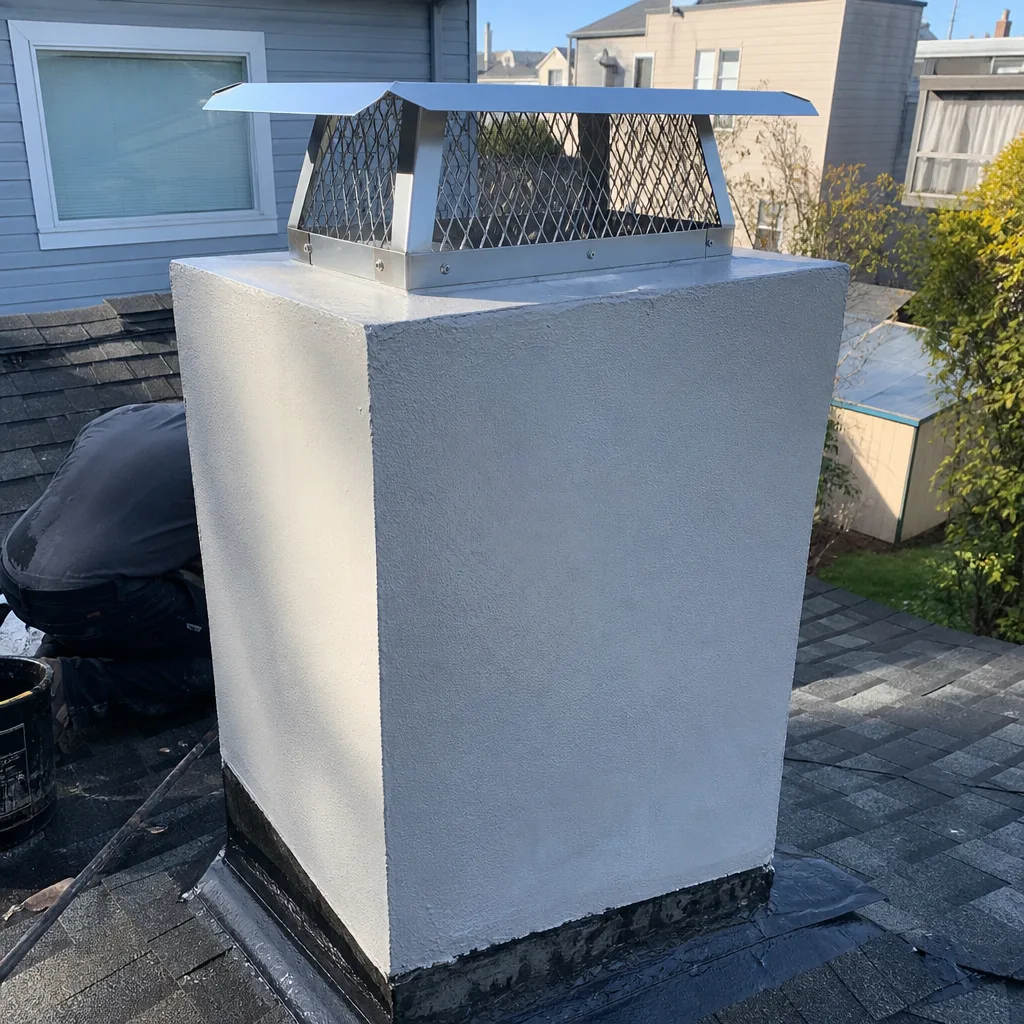
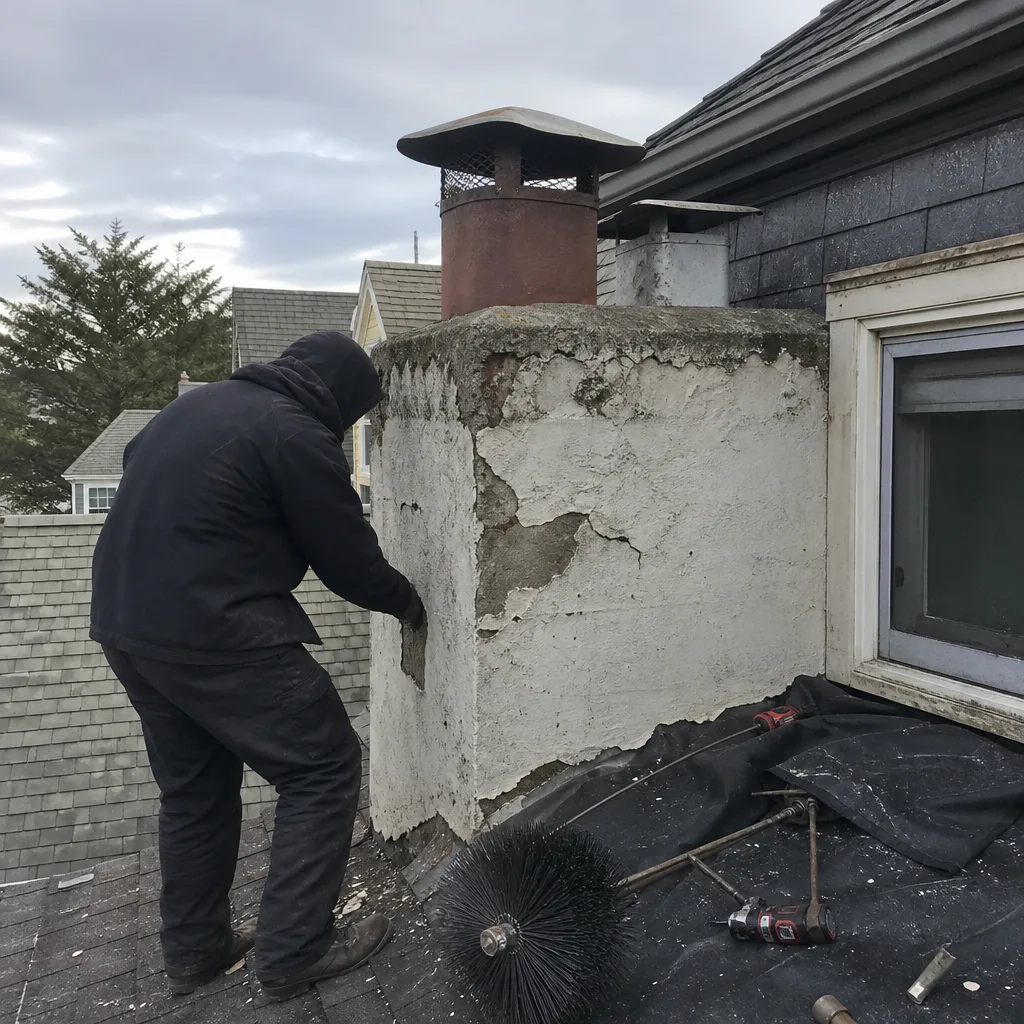
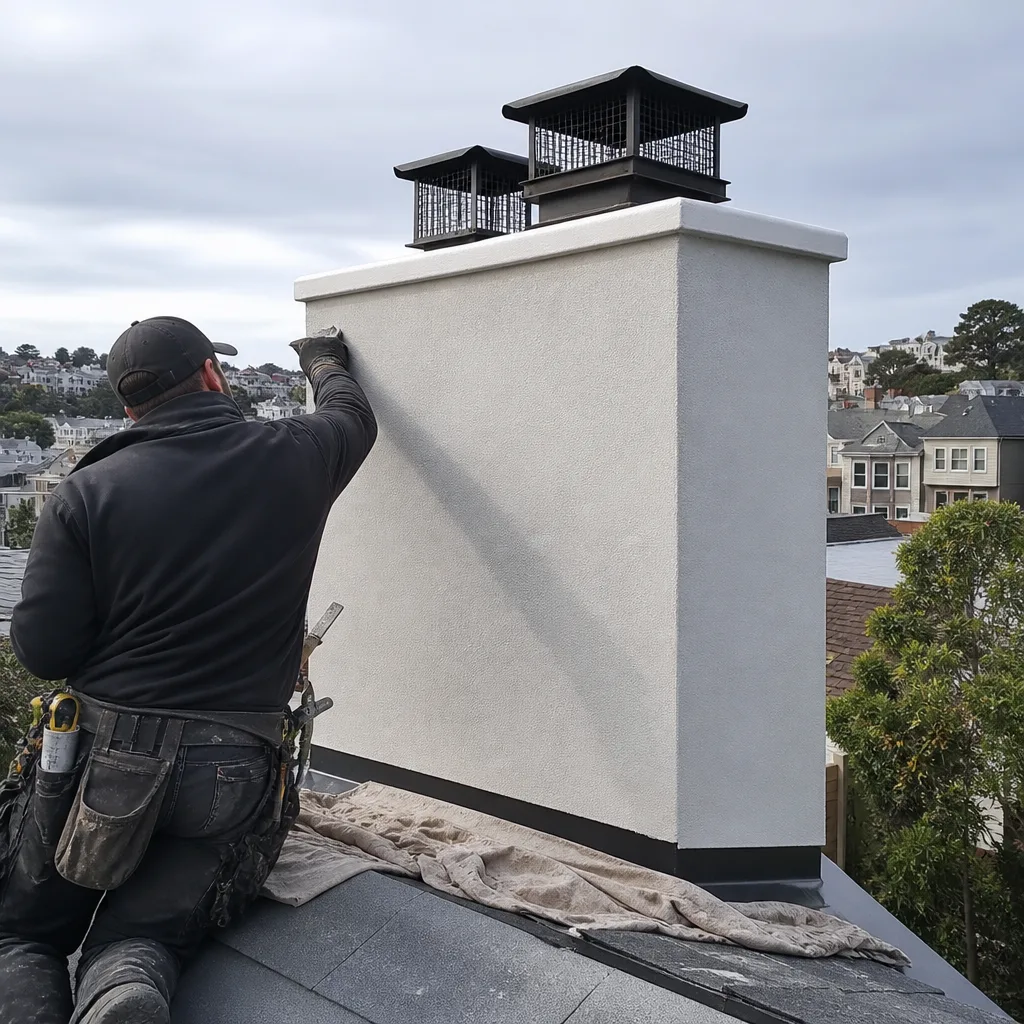
The chimney crown is the concrete or mortar slab at the very top of the chimney that seals the space between the flue liner and the outer brick. Its entire job is to direct water away from the flue and off the chimney. A properly built crown has a slight slope, a drip edge that extends beyond the brick line, and an expansion joint around the flue tile. Most century-old crowns in Alamo Square have none of these. They’re flat, they’re cracked, they end flush with the brick, and water sits on them. Once a crack reaches the flue tile, water is inside the chimney, not on it. Crown repair is straightforward when caught early: clean the surface, fill the cracks with a flexible sealant, and reseal the crown surface. Crown replacement is a bigger job. The inspection point is simple: if you can see cracks from the ground, the water has already been getting in for a while.
The rain cap is the umbrella over the flue opening. Its absence or failure is the single most common cause of water intrusion in Alamo Square chimneys, mostly because the fog doesn’t require a missing cap to cause problems. A rusted-through cap with pinholes lets condensation form inside the flue on the foggiest nights of the summer. The cap also serves as the spark arrestor, which is required by code in most California wildfire-prone areas. A chimney without a spark arrestor isn’t just wet; it’s a code issue and a fire hazard.
The damper sits at the throat of the chimney, just above the firebox. When closed, it seals the living space from the flue. When open, it allows smoke to exit. Dampers fail in two ways: they seize from rust and creosote buildup so they can’t move, or they warp so they no longer seat properly even when closed. A seized damper in the closed position means you can’t use the fireplace safely. A warped damper that won’t seal means you’re losing heated air up the chimney all winter and pulling damp fog air down all summer. A throat damper replacement is a moderate repair. A top-sealing damper, which mounts at the top of the flue and seals with a gasket, is an upgrade worth considering if you’re already having crown or cap work done.
The best way to catch all three components before they become expensive failures is to include them in your seasonal visual checks and to have them inspected during your annual sweep. We inspect the crown, cap, and damper on every service visit. When we find issues, we photograph them and walk you through what we’re seeing. The decision about whether to repair now or defer is yours, but it’s an informed decision, not a guess.
Inserts and Stove Connections: What a Sweep Does and Doesn’t Cover
If you have a fireplace insert or a freestanding wood stove venting into your Alamo Square chimney, your maintenance scope is different from a traditional open fireplace. And not every sweep will handle all of it, so it’s worth understanding where the lines are.
A fireplace insert is a sealed wood or gas appliance that sits inside the existing fireplace opening. It vents through a stainless steel liner, usually flexible, that runs up inside the original masonry flue. The liner becomes the actual smoke pathway. The sweep’s job in this setup is to clean the liner, remove the accumulated creosote from the appliance’s internal surfaces, and verify that the connection between the stove collar and the liner is intact and properly sealed.
The part that often gets missed is the appliance-to-liner connection point. This is a gasketed or sealed joint where the insert’s flue outlet meets the stainless liner. If that joint loosens, if the gasket degrades, or if the liner shifts, combustion gases can leak into the masonry cavity rather than being carried up the flue. That’s not a creosote problem. It’s a mechanical connection problem, and it requires disassembly to inspect properly.
Here’s what to ask when booking a sweep for a home with an insert or stove:
- Does the sweep include removal and inspection of the appliance-to-liner connection? Some sweep companies clean the liner but never touch the appliance connection. That’s a scope gap.
- Will the technician inspect the interior of the firebox or stove body? Soapstone, cast iron, and steel fireboxes all have maintenance needs and failure points.
- Is the liner camera-inspected after cleaning? Flexible liners, including professional-specification brands like DuraFlex, have a long service life but can still develop pinholes, kinks, or joint separation. Visual inspection through the appliance opening is not sufficient.
- What’s the recommendation for ash handling and disposal? Inserts generate ash that must be removed and disposed of properly. If you’re handling it yourself, cold ash in a metal container on a non-combustible surface is the rule, never a bag or paper container.
DuraFlex liners are the most common professional-specification flexible liner we install in Alamo Square homes with masonry chimneys. They’re specified by certified chimney engineers because the material is designed for the continuous high-temperature cycling of wood and gas appliances. The brand matters less than the installation quality, but a liner from a professional line like DuraFlex is a signal that the system was built to spec, not assembled from whatever was on the shelf at the hardware store.
Gas inserts have their own maintenance requirements. They don’t produce creosote, but they do produce acidic condensation inside the liner, and their burners, igniters, and gas connections require annual service by a qualified technician. The chimney sweep’s scope covers the liner and the flue pathway. The gas appliance itself may require a service call from a heating professional. Clarify this before booking.
Visual Checks You Can Do Without Special Tools
You don’t need a ladder, a borescope, or a chimney brush to do meaningful maintenance between professional visits. You need a flashlight, a pair of binoculars, your phone camera, and about 20 minutes per season. Here’s the step-by-step method we recommend to Alamo Square homeowners.
Inside the firebox:
- Open the damper fully. Place a bright flashlight on the firebox floor and angle it upward. Look for any obstruction in the flue: nesting material, fallen brick, heavy creosote deposits that look like black tar or puffy dark foam.
- Run your hand (or the flat blade of a screwdriver) along the firebox walls. Look for bricks that shift, mortar that’s crumbling, or gaps between the firebox and the surrounding masonry.
- Check the damper plate. It should be fully visible when closed. Heavy rust, warping, or a plate that doesn’t sit flush are signs it’s ready for replacement.
- Look for water stains on the firebox floor or walls. Dark, damp patches that appear during fog season indicate roof or crown leakage.
From the roofline (or an upper window with binoculars):
- Scan the crown for cracks. Any crack wider than a pencil line is worth a professional look. Multiple cracks radiating from the flue tile suggest the crown is at the end of its service life.
- Check the cap. It should be centered on the flue, securely attached, and free of rust-through or missing mesh. Loose caps wobble visibly in the wind.
- Look at the top three or four courses of brick. These are the bricks that absorb the most water from a compromised crown or cap. Spalling, which looks like the brick face has flaked off in sheets, is the classic sign.
- Check the mortar joints in the upper courses. If the joints look like they’re recessed significantly compared to lower courses, the mortar is eroding. Repointing may be needed before the next burn season.
What to photograph between visits:
- The exterior chimney from the sidewalk, once per season, on a clear day. Shoot from the same angle each time so you can compare.
- Any effluent staining, damp patches, or new cracks the day you notice them. Date-stamped photos show progression.
- The firebox interior before and after each burn season.
- The cap and crown if you have roof access or a window that looks down onto the chimney.
These photos travel with your service history. When we arrive at an Alamo Square home for a chimney sweep, seeing six months of documented observations tells us more about the chimney’s behavior than a single inspection ever could. A crack that’s been stable for two years is different from a crack that appeared in August and widened by October.
One more component that belongs in this section: the dryer vent. Most Alamo Square homeowners don’t think of their dryer vent as belonging in a chimney maintenance discussion. But a dryer exhausting through the wall or roof is subject to the same fog-season moisture conditions as the chimney, and a clogged dryer vent is a combustion-related fire risk just like a creosote-filled flue. If you’re already doing seasonal visual checks on the chimney, add a look at the dryer vent termination outside. Lint buildup visible at the exterior hood means the interior run is worse. Dryer vent cleaning in Alamo Square is part of the same discipline as chimney sweeping: you’re keeping a moisture- and lint-prone exhaust pathway clear. Most chimney companies don’t touch dryer vents. We do, because the failure modes are related.
Common Mistakes to Avoid
- Skipping the spring sweep because “we only burned a few times.” Even ten fires in a season deposit enough creosote to matter. And in Alamo Square’s summer humidity, that creosote absorbs fog moisture and turns corrosive. The sweep is not about how many fires you burned. It’s about clearing the residue of every fire before it sits through a humid summer.
- Leaving an uncapped or damaged-cap chimney through fog season. The fog is the water source. A chimney with no cap or a rusted cap is open to condensed moisture every night from June through August. You can’t see this water, but it’s working inside the masonry.
- Sweeping the chimney but skipping the camera inspection. The cleaning gets the creosote out. The camera sees the cracks in the liner joints that the brush can’t reveal. A chimney that was swept but not inspected is only half-serviced.
- Ignoring efflorescence. White chalk on the chimney exterior is water moving through the masonry. It’s not just a cosmetic issue. In Alamo Square’s wet-dry cycle, efflorescence that appears in summer and disappears in winter is a slow erosion signal that predates spalling by years.
- Assuming the insert liner is “maintenance-free.” Stainless liners last a long time, but the connection points, gaskets, and appliance collar need annual attention. A homeowner who runs a wood insert for five years without inspection is running on luck.
- Burning unseasoned wood or construction scraps. Green wood produces heavy, sticky creosote that builds up far faster than the flue can handle. Construction lumber, painted wood, or plywood releases chemicals that adhere to the liner. Alamo Square has plenty of construction activity. Never burn demo debris in a residential fireplace.
- Waiting until October to book the sweep. Our calendar in October looks like San Francisco’s every sweep calendar in October: full. The May and June schedule is open, and the weather is better for the roof work. Book the post-season sweep and you’ll be ahead of the fall rush.
When to Call a Professional
A few situations warrant a professional visit without waiting for the next seasonal check. If you see smoke entering the room instead of rising up the flue, stop using the fireplace and call a sweep before the next fire. If you hear shifting or falling debris in the chimney, a flue tile or piece of masonry has likely come loose. If you smell a damp, musty odor coming from the firebox during fog season, water is pooling or condensing inside the chimney. If your dryer takes twice as long to dry clothes as it did six months ago, the vent run is restricted. Any of these signals means the maintenance window has closed and the repair window has opened. We explain what we find, in plain terms, before we touch anything. Chimney Sweep Alamo Square offers free estimates in Alamo Square. Call (833) 620-7061 and we’ll schedule the inspection.
Frequently Asked Questions
Once per year for most Alamo Square homeowners who burn regularly during winter, with the best timing in late spring after the last fire and before summer fog season. The National Fire Protection Association standard is that a chimney should be swept when creosote buildup reaches 1/8 inch, but annual cleaning with a camera inspection is a practical routine that catches problems before that threshold is reached.
Chimney sweep pricing in San Francisco typically ranges from $200 to $450 for a standard cleaning and inspection, with camera inspections sometimes billed separately or included depending on the company. Homes with inserts, stoves, or significant creosote buildup can run higher. Call (833) 620-7061 for an exact quote for your Alamo Square home. Estimates are free, and we’ll tell you exactly what’s included before we book.
Yes, summer is the season when Alamo Square’s fog is most active, and fog is the primary moisture source for uncapped or damaged chimneys in our neighborhood. The summer visual checks for crown cracks, cap damage, and efflorescence catch water-intrusion problems when they’re still cheap to fix, rather than after a rainy winter has driven water deep into the masonry.
A camera inspection shows the interior condition of the flue liner after the creosote has been removed: cracked clay tiles, failed mortar joints, gaps between liner sections, and separation at the appliance connection. These are the structural details a brush can’t reveal. We photograph everything and show you the images, so a repair recommendation always comes with visual evidence you can see for yourself.
Yes, most of the routine checks are doable from the sidewalk or an upper window. Use binoculars for the crown and cap inspection, a bright flashlight for the firebox interior, and your phone to photograph anything that changes between seasons. Roof access is not required for the seasonal checks. If you see something concerning, we’ll do the roof-level inspection when we visit.
Creosote accumulates inside the flue and becomes a fire hazard. Moisture enters through cracked crowns, missing caps, and deteriorated mortar joints, accelerating the breakdown of the brick and liner. A minor repointing job becomes a partial rebuild. An $80 cap replacement becomes a $3,000 water-damage repair. The most common outcome we see in older Alamo Square homes is that deferred maintenance compounds: a chimney that needed a sweep and crown reseal five years ago now needs HeatShield liner resurfacing or a full reline to be safe again. If you’re not sure where your chimney stands, call us for an inspection. It’s the cheapest diagnostic in the entire chimney industry.
The Bottom Line
Alamo Square’s chimneys fail from water more than from fire. The fog, the rain, and the century-old masonry all work against you, and the components that fail first are the ones you can’t see from the living room: the crown, the cap, and the damper. A working maintenance routine means a post-season sweep in May, a fog-season visual check in August, and a pre-burn inspection in September or October before the first fire. Document what you see. Photograph the changes. Ask for camera evidence when a repair is recommended. And if you have a dryer vent, include it in the same seasonal routine. One call covers the sweep, the vent, and the repair. That’s the whole point of this guide, and the whole point of how we work in Alamo Square.
Written by the team at Chimney Sweep Alamo Square, serving Alamo Square since 2011.
See the difference
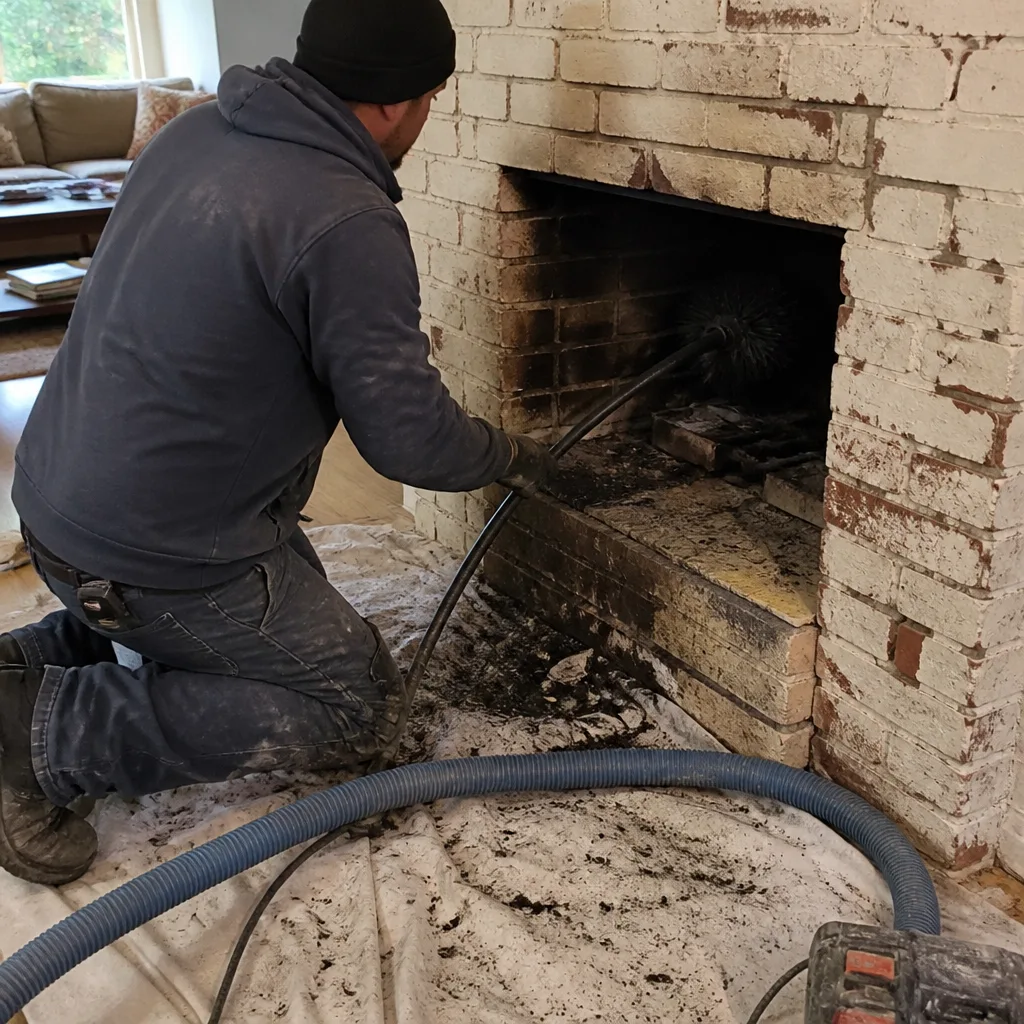 Before
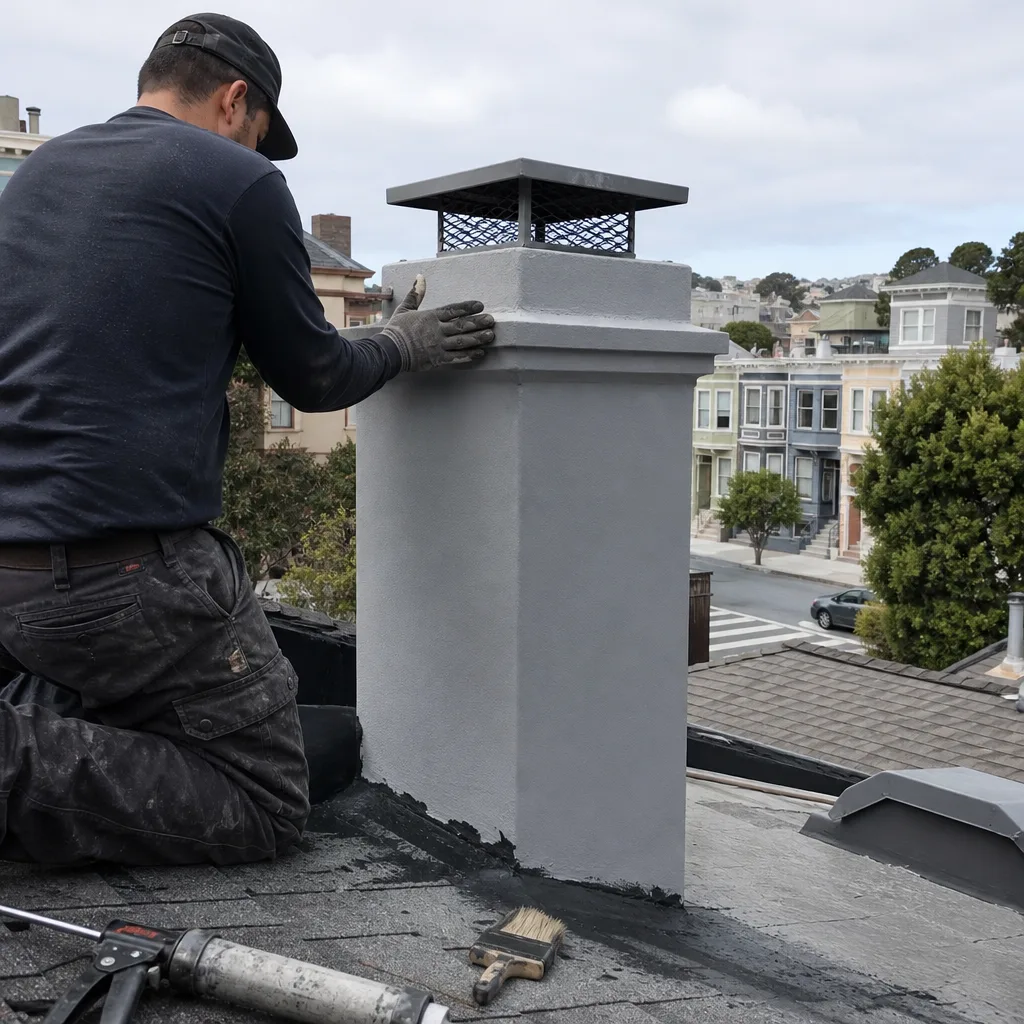 After
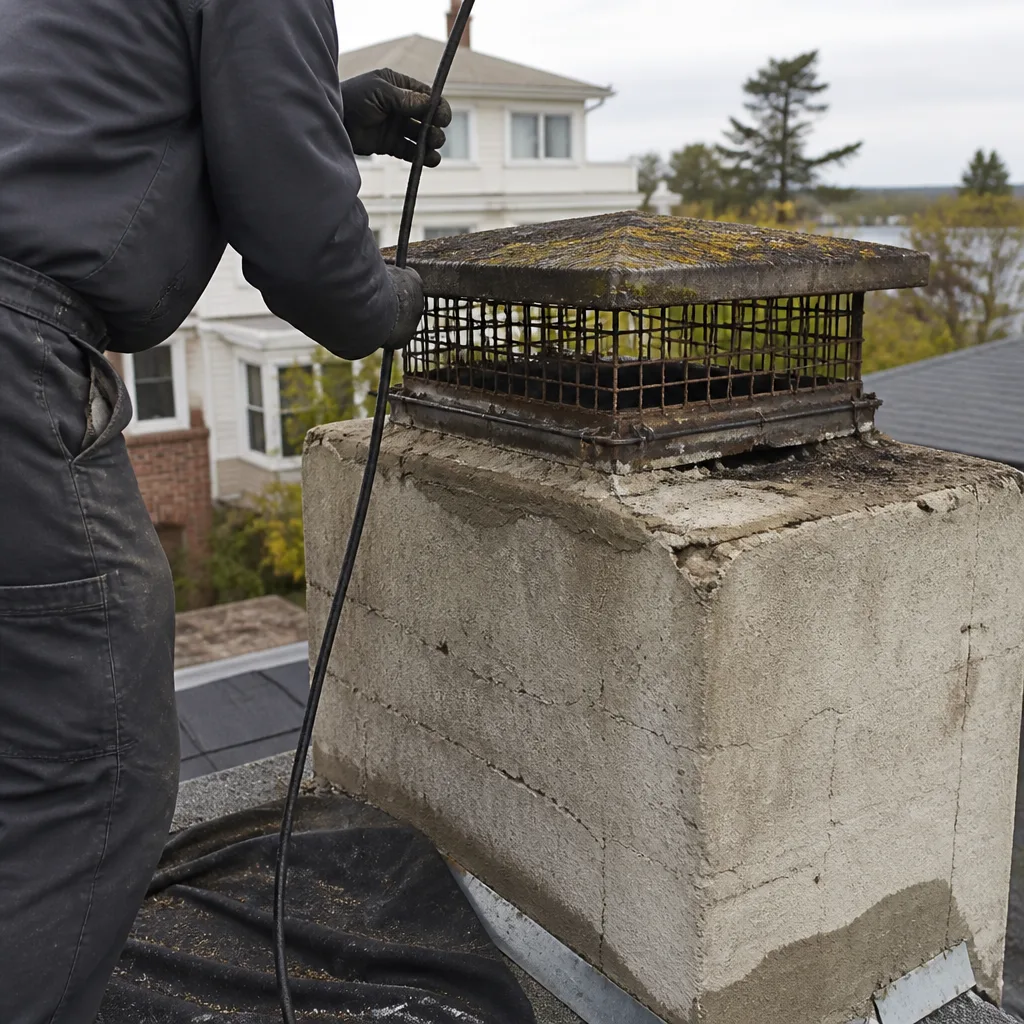 Before
 After
 Before
 After