
Last updated November 2, 2026
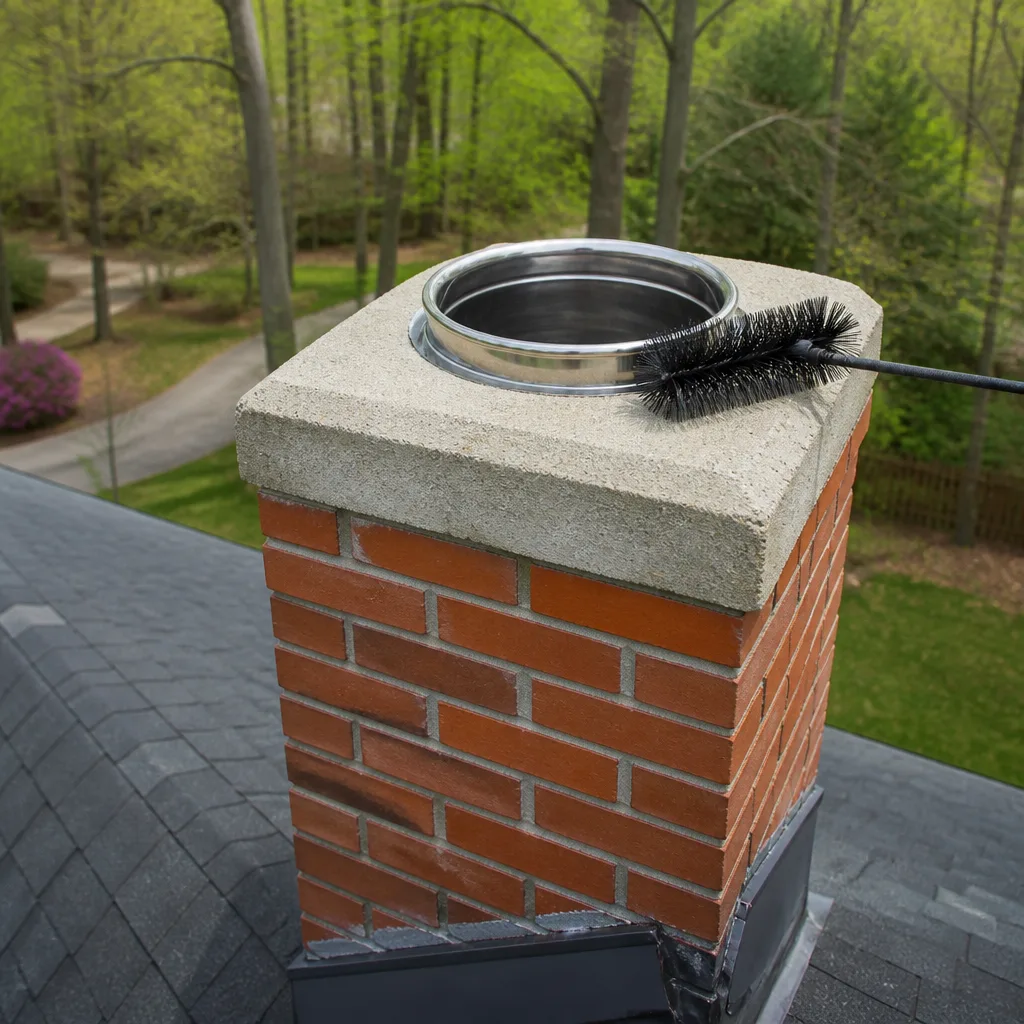 Sweep & inspection
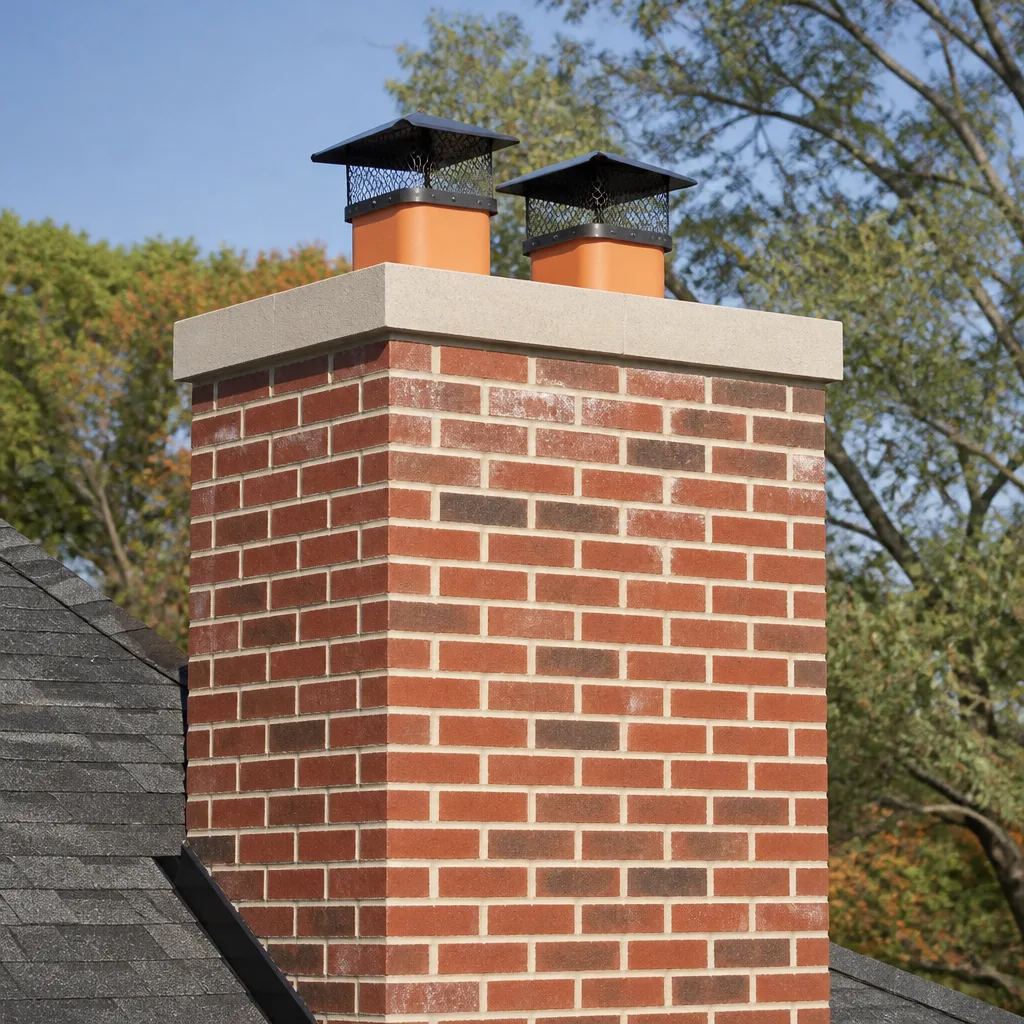 Caps & crowns
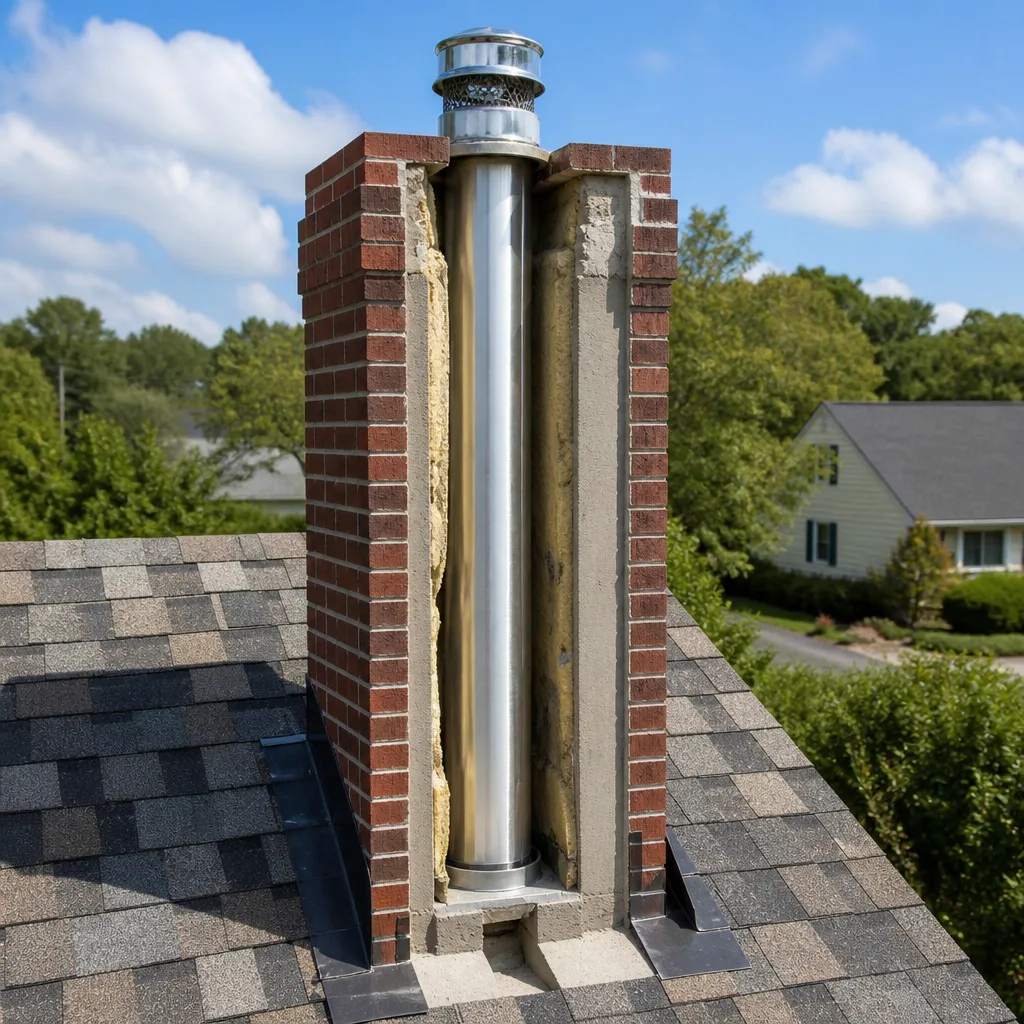 Flue relining
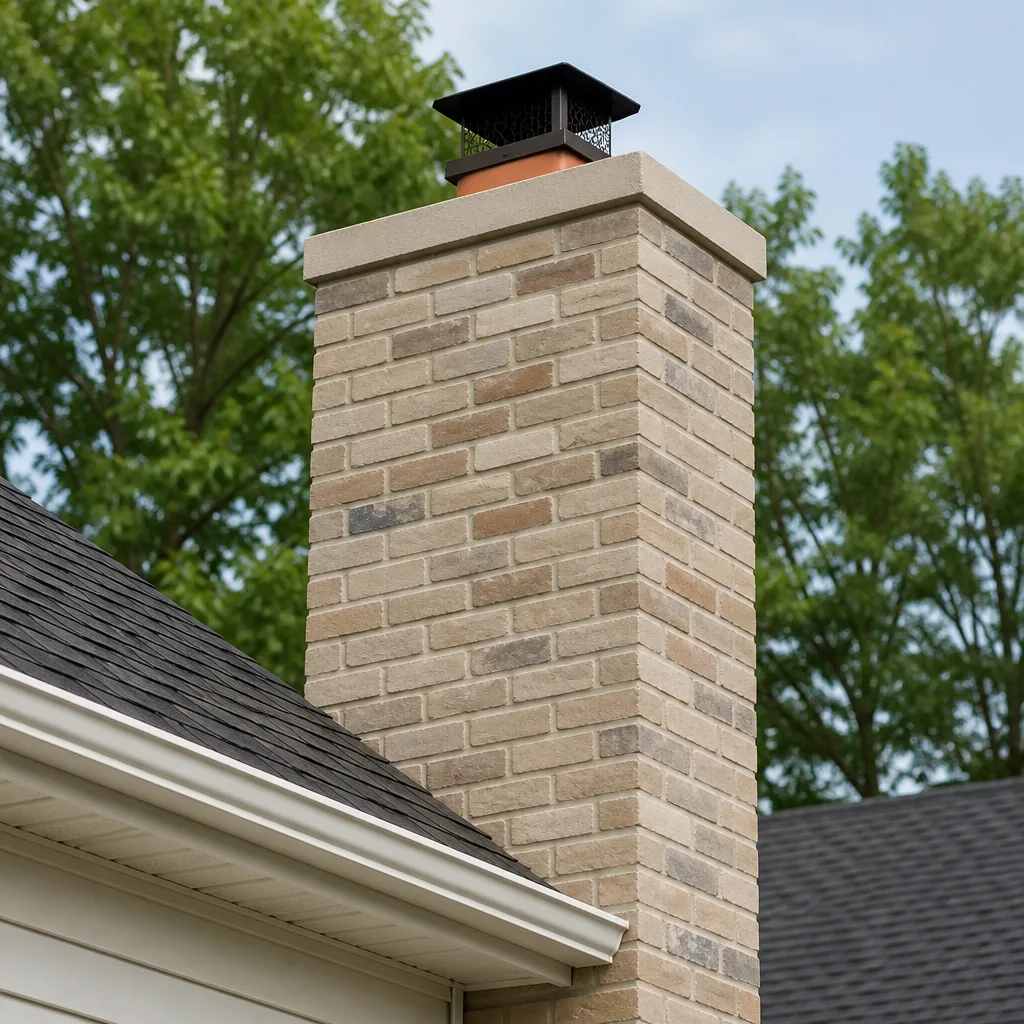 Masonry repair
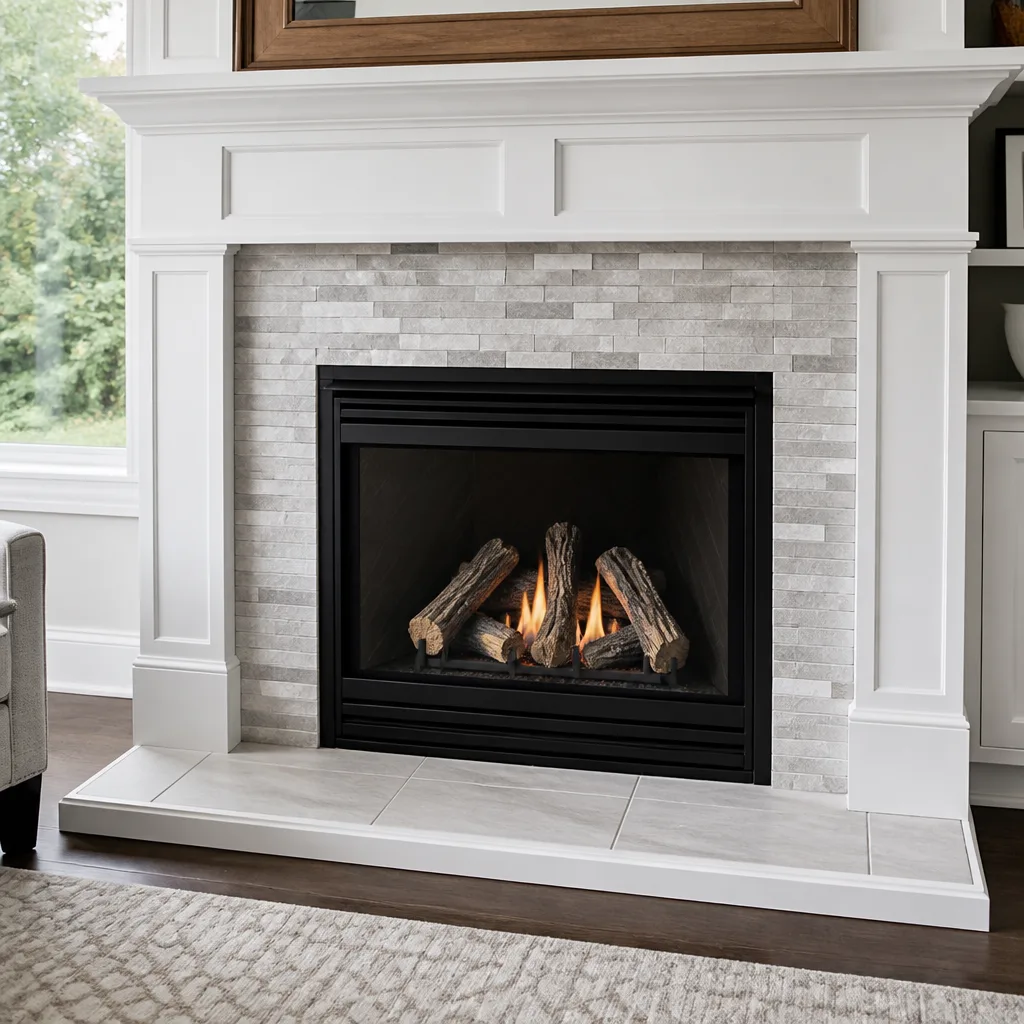 Gas fireplace service
Level 1 sweep and inspection to the NFPA 211 annual standard - flue, crown, cap, and flashing checked and photographed
Chimney sweep logs do not sweep chimneys. They loosen some creosote - which then falls where a brush and vacuum still have to collect it.
Choosing the Right Chimney Cleaning Brand: A Buyer’s Guide for Alamo Square
When a contractor installs a stainless liner in your flue, the gauge of the steel and the alloy grade determine whether it lasts 15 years or 5. Most homeowners in Alamo Square never see the spec sheet. They call a chimney company, trust the recommendation, and hope for the best. Our more guides & resources change that. We’ll walk you through what separates professional-grade chimney products from the hardware-store boxes, which brands technicians actually specify, and how to ask the right questions before anyone touches your flue.
Styles & brands we work with
- Sweep & inspection
- Caps & crowns
- Flue relining
- Masonry repair
- Gas fireplace service
Quick Answer
The right chimney cleaning brand isn’t a retail label you’d recognize from a shelf. It’s a professional-supply product line: DuraFlex for stainless liners, HeatShield for structural resurfacing, Gelco for cap and termination hardware, and Copperfield for trade-grade components. What matters more than the name is the material spec behind it: 316L alloy over 304 in any Alamo Square home exposed to marine air, and gauge thickness that matches the flue’s actual thermal demands. A contractor who names the brand and shows you the spec sheet is the one to hire.
Table of Contents
- Chimney Liner Brands: Why Alloy Grade and Gauge Matter More Than the Name
- Professional-Supply Brands vs. Big-Box Retail: What You’re Actually Paying For
- HeatShield and Structural Repair Systems: What Resurfacing Actually Fixes
- Chimney Sealants and Crown Coatings: Formulation Matters in a Marine Climate
- Sweep Rods and Brush Heads: Why the Brand You Never See Affects the Clean You Get
- Questions to Ask Any Chimney Contractor About Products and Documentation
- Alamo Square-Specific Considerations: Victorian Flues and Coastal Air
- Common Mistakes to Avoid
- When to Call a Professional
- Frequently Asked Questions
- The Bottom Line
Chimney Liner Brands: Why Alloy Grade and Gauge Matter More Than the Name
Most homeowners think a chimney liner is a chimney liner. It’s a metal tube. How different can they be? The answer is in the metallurgy. Two stainless steel liners can look identical on a truck bed and perform completely differently inside your flue over a decade of use. The differences come down to three things: the alloy grade of the steel, the gauge (thickness) of the wall, and the quality of the seam and corrugation forming.
Alloy grade is the big one. Most liners are made from either 304 stainless or 316L stainless. The numbers refer to the metallurgical composition. 316L contains molybdenum, an element that dramatically improves resistance to chloride corrosion. That matters in Alamo Square in ways it doesn’t matter in, say, inland Sacramento. Marine air carries chlorides. Those chlorides settle on your roof, wash down the chimney with rain, and sit against the liner surface. 304 stainless will pit and rust in that environment within a few years. 316L is designed specifically to resist exactly that. It costs more. It lasts decades longer in coastal conditions. Some liner brands offer both alloys in varying price tiers. That’s not upselling. That’s matching the material to the environment.
Gauge is the second variable. Thin-wall liners flex easily during installation, which cuts labor time and lowers cost. They also fail sooner. A liner that measures 0.005 inches thick is considered light-duty. A professional-grade liner from a trade brand like DuraFlex typically starts at 0.006 inches and goes up depending on the application, with heavy-duty flex liners for high-temperature or structural applications reaching thicker specs. The difference matters because chimney liners expand and contract with every heating cycle. Thin material fatigues faster. A thinner liner can also tear during a sweep if a rod catches an inner seam wrong.
The seam is the third factor. Cheaper liners use a simple crimped or snapped seam. Better liners use a continuous welded seam or a lock-form seam that resists separation when the liner is flexed and pulled. Retail liners rarely specify seam type. Professional-supply brands do, because installers need to know exactly what they’re working with.
When a contractor recommends a liner, ask: what alloy, what gauge, what seam type, and what’s the warranty period. A professional who can answer all four without hesitating is working with real materials. One who says “it’s a stainless liner, it’s all the same” is not. In our work across Alamo Square, we’ve seen liners that failed in under five years because the original installer didn’t match the alloy to the coastal exposure. That’s a preventable failure, and it’s more common than homeowners realize.
Professional-Supply Brands vs. Big-Box Retail: What You’re Actually Paying For
Walk into any hardware store and you’ll find a chimney cap, some creosote remover, and maybe a wire brush. They look functional. They’re also not what any serious chimney professional uses, for reasons that matter to your safety and your wallet.
The supply chain is the difference. Companies like Olympia Chimney and Copperfield sell exclusively through trade channels. You can’t walk into a retail store and buy their products, and that’s by design. Their inventory is built for contractors who need material that meets code, handles real thermal stress, and comes with documentation. What you’re paying for when a contractor uses these brands is traceable material specification, warranty support, and inventory that was stored correctly before installation.
Retail chimney products are built differently. They’re manufactured to hit a price point in a category where the buyer usually doesn’t know what to compare. A retail chimney cap might be made from powder-coated mild steel, which rusts through in coastal air within a few seasons. A professional cap from Gelco is typically fabricated from heavier-gauge stainless or copper with welded construction, not folded tabs. It costs more up front. It also doesn’t need replacement every few years.
The same applies to brushes and rods. Retail brush heads often use crimped wire that bends flat after a few passes through a masonry flue. Professional rod systems from trade brands use tempered steel wire and coupling threads machined to tighter tolerances. The difference shows up in flues with non-standard dimensions, which is most of the Victorian housing stock in Alamo Square. If your flue is 9×13 instead of the standard 8×12, a retail brush either doesn’t contact the walls or binds hard enough to snap a rod. A professional setup has the range of sizes to match.
Warranty terms are where the gap widens further. Retail products typically carry a 90-day or one-year limited warranty covering defects, and the claims process assumes you did the installation yourself. Professional supply brands structure warranties for contractor-installed systems, often with extended coverage periods for the homeowner when a licensed chimney professional performs the work. The documentation matters when you file a claim. This is one reason Chimney Sweep Alamo Square home guidance to customers always starts with material selection, not just price.
HeatShield and Structural Repair Systems: What Resurfacing Actually Fixes
HeatShield is a name most homeowners never hear unless their chimney has a specific problem. It’s also one of the most meaningful product lines a professional chimney company can offer, because it signals capability beyond sweeping and patching. HeatShield is a ceramic-based resurfacing system applied to the interior of a flue to repair cracks, gaps, and spalling in the original liner. It’s a technical repair, not a cosmetic coating, and it requires manufacturer-certified application.
The distinction matters. A so-called chimney repair that amounts to smearing mortar over a damaged flue wall is a temporary bandage over a structural problem. HeatShield is formulated to bond to the existing flue tile or clay liner, fill voids, and restore a continuous surface that can handle exhaust heat and condensation. In many cases it’s a cost-effective alternative to full relining, especially when the structural damage is limited to specific sections of the flue.
The process works like this:
- Inspection: A camera scan of the flue identifies the location and extent of damage. No repair should begin without this documentation.
- Cleaning: The flue surface must be cleaned to bare substrate so the material bonds properly.
- Application: The HeatShield material is applied in lifts to the damaged area, often over a form or ram, then cured. Some applications use a cast-in-place method for open flues.
- Verification: A follow-up camera pass confirms coverage and thickness. The homeowner receives documentation showing the repair.
Not every chimney qualifies for HeatShield. If the original flue tiles are extensively damaged or missing, full relining with a stainless system is the correct fix. What HeatShield offers is a middle option between “replace the entire liner” and “keep using a chimney the camera says is compromised.” That middle option is real engineering, not upselling. A chimney company that offers it knows how to assess which problems qualify, and which don’t.
Chimney Sealants and Crown Coatings: Formulation Matters in a Marine Climate
The crown of your chimney, the concrete or mortar cap at the very top, is the first line of defense against water entry. It takes direct rain, wind-driven salt spray in Alamo Square, and a heating-cooling cycle every single day. Most crowns develop hairline cracks within a few years of construction. What you seal those cracks with determines whether the repair lasts or fails.
Generic masonry sealers from a hardware store are usually acrylic or silicone-based coatings designed for horizontal surfaces like driveways and patios. They form a surface film. That film works on a sidewalk. It doesn’t work on a chimney crown, because the crown flexes differently. Chimney-specific crown coatings are formulated to bridge small cracks and move with the thermal expansion of the masonry without peeling. The product chemistry is designed for vertical application, UV exposure, and the specific failure modes of mortar and concrete, not poured patio slabs.
This distinction becomes sharper in coastal air. A generic sealer that lets moisture through will trap that moisture against the crown surface. When salt is present in the water, it accelerates spalling, the same process that pits concrete sea walls. A proper chimney crown coating, like those specified through trade supply channels, is formulated as a waterproofer that still allows vapor to escape, so moisture doesn’t get trapped inside the masonry. The result is a crown that sheds water without destroying itself from the inside.
The same applies to flue tile sealants. Repairing joints between flue tiles in a masonry chimney used to mean grinding out old mortar and repointing. Modern chimney joint sealants do something similar with less invasive application, but only if the product is rated for the temperature and chemical exposure of a flue interior. A generic high-temp silicone won’t hold up over time. This is where brand selection becomes a real material question. We use trade-channel products for these repairs, and we can tell you exactly which product and why.
Sweep Rods and Brush Heads: Why the Brand You Never See Affects the Clean You Get
The rod and brush are the workhorses of a chimney sweep. They’re also invisible to the customer, because they go up the flue and come back dirty. But the spec of that equipment changes the quality of the clean in ways you can feel, and in ways a camera inspection will show.
Older Alamo Square homes present a specific profile. Victorian and Edwardian chimneys were built by hand, often with dimensional inconsistencies you’d never see from the outside. Flues may taper, offset, narrow, or transition from one tile size to another. In those conditions, a standard 8-inch round brush on a flexible nylon rod system won’t contact the walls evenly. The result is a clean-looking fireplace with creosote still packed into the corners, where it matters most for fire risk.
Professional rod systems differ from retail in two ways: the joinery and the flex. Retail fiberglass rods use simple push-together ferrules that can separate under torque inside the flue. That leaves a rod stuck in your chimney, which becomes its own service call. Professional rod systems from brands like Copperfield use threaded couplers and are designed to run in reverse under load, so the connection tightens rather than loosens during the sweep.
Brush heads vary by fill material, density, and facing. Oil-tempered steel wire is standard for masonry flues, but the gauge of the wire and the density of the fill determine how aggressively the brush cleans. Too soft and it polishes the creosote. Too stiff and it gouges the flue tile. The right brush for a given flue depends on the liner material, the flue dimensions, and the type of buildup present. That’s a matching problem, not a one-brush-fits-all problem. A professional carries a set of brushes, not a single retail item off the hook.
When you book a Chimney Sweep in Alamo Square, ask what rod system the technician uses and whether the brush is sized to your flue. It’s a fair question. The answer tells you whether you’re dealing with a sweep who matches equipment to the job, or one who works with whatever fits through the door.
Questions to Ask Any Chimney Contractor About Products and Documentation
A legitimate chimney professional gives straight answers about materials. A contractor who hedges, talks in generalities, or treats product questions as an inconvenience is telling you something about how they work. Here’s the exact due diligence to run before anyone starts on your chimney:
- “What specific liner brand and alloy will you install, and what gauge?” The answer should include a brand name, an alloy number (316L or 304), and a gauge. If you hear “standard stainless,” push for the spec.
- “Can you provide the manufacturer’s spec sheet or warranty documentation before work starts?” This is a yes or no question. The answer should be yes, in writing, attached to the contract.
- “If you recommend HeatShield or another resurfacing system, can you show me the camera footage that justifies it?” Resurfacing recommendations should be backed by visual evidence you can see yourself. No footage, no recommendation.
- “What sealant are you using on the crown, and is it specifically formulated for chimneys?” If the answer is a generic masonry sealer from a home center, ask why a chimney-specific product isn’t being used.
- “Do you stock parts from trade supply channels, or do you buy retail?” The distinction matters for warranty registration and product traceability.
In our experience, the homeowners who ask these questions get better outcomes, because the contractor knows the customer is watching the spec sheet. That’s not adversarial. It’s how professional work gets done.
Alamo Square-Specific Considerations: Victorian Flues and Coastal Air
Alamo Square’s housing stock is disproportionately Victorian and Edwardian, which means the chimneys are old, often unlined or lined with failing clay tile, and built around dimensional quirks modern products don’t automatically accommodate. When you’re choosing chimney products for a home in this neighborhood, the environment and the architecture dictate the spec.
The marine air is the biggest variable. Alamo Square sits close enough to the Pacific that salt chlorides are a constant presence in the air, even if you don’t smell salt every day. That exposure accelerates corrosion in any stainless component that isn’t 316L. A 304 liner might last fifteen years in Denver and eight years in Alamo Square. When a contractor recommends a liner for a home here, the correct spec is 316L stainless with a heavier gauge, not a light-gauge 304 that was spec’d for a dryer inland climate.
The Victorian flue geometry is the second variable. Many chimneys from the 1890s and early 1900s were built with flue dimensions that predate standardized tile sizes. An 8×12 flue is common. But so is a 9×9, an 8×8 with an offset, or a flue that narrows mid-run. Off-the-shelf liner kits and standard brush sizes are designed for modern dimensions. Matching products to these older flues requires measuring, not assuming. That’s why stock from trade supply channels matters, a professional installers carries a range of sizes because they see non-standard flues every week in this part of the city.
Finally, the age of the masonry matters for product selection. Victorian mortar is lime-based, softer than modern Portland cement mortar. Aggressive repointing with the wrong material damages the brick. The same principle applies to sealant selection on older crowns and caps. Products specified for modern construction can fail on century-old masonry because the substrate behaves differently. This is the kind of local knowledge that comes from working in the neighborhood over time, and it directly affects which products get recommended for a given Alamo Square chimney.
Common Mistakes to Avoid
- Choosing a contractor by price alone. A bid that undercuts the market by 30% usually subtracts the difference from materials. You can’t see a cheap liner alloy until it fails. The expensive part is doing the job twice.
- Assuming all stainless liners are equivalent. The alloy and gauge difference between 304 and 316L is the difference between a liner that lasts 15 years and one that pits out in 5 in Alamo Square’s salt air. Demand the spec, not just the phrase “stainless steel.”
- Accepting a resurfacing or liner recommendation without camera evidence. Any contractor can say your flue is damaged. A legitimate one shows you the footage and explains what you’re looking at before recommending work. No footage, no authorization.
- Using retail chimney caps on a coastal home. Powder-coated mild steel caps rust through quickly in marine air. A homeowner in Alamo Square who buys a $40 cap is buying a future replacement call plus whatever water damage occurred in the meantime.
- Skipping the dryer vent while the sweep is there. The clothes dryer exhausts through a vent that accumulates lint, and lint is the leading cause of dryer fires. A full-scope chimney company addresses both systems in one visit, but only if you ask.
- Treating a chimney sweep as a generic service. Not every sweep carries professional rod systems sized to Victorian flues, and not every sweep can handle a 9×13 flue without a retail brush binding inside. Ask what equipment they’re bringing before you book.
- Believing a lower price means the same job. A sweep that takes 35 minutes with a retail brush and no camera is not the same service as a full inspection-and-clean using professional tools and documentation. You won’t see the difference until the chimney fire or the carbon monoxide reading.
When to Call a Professional
Call a professional when your chimney hasn’t been inspected in the last 12 months and you use the fireplace regularly during the cooler months. Call when you notice a musty smell from the firebox after rain, spalling brick on the chimney exterior, or a white powdery deposit on the flue tile visible from the roof. Call when a home inspection flagged fireplace or venting concerns during a purchase. Call if your dryer takes longer than 45 minutes to dry a normal load, which often signals restricted vent airflow. And call before you burn the first fire of the season, not after creosote has had a full summer to cure and harden inside the flue. Chimney Sweep Alamo Square offers free estimates in Alamo Square. Call (833) 620-7061 to schedule an inspection.
Frequently Asked Questions
A standard chimney sweep and camera inspection in Alamo Square typically runs between $225 and $450 depending on flue size, access conditions like roof height and pitch, and whether the system needs a Level 2 inspection beyond a basic six-sided sweep. Victorian homes with hard-to-access chimneys often land at the higher end. Call (833) 620-7061 for an exact quote with your specific address and we’ll give you a firm number before we book.
That depends entirely on what the camera inspection shows, and nobody should recommend a new liner to you without showing you the footage first. Hairline cracks or small gaps in clay tile can sometimes be addressed with HeatShield resurfacing, which is significantly less invasive than full relining. Extensive damage, missing tile sections, or a liner that has shifted out of position usually means full replacement. Get the camera evidence and make the call based on what you can see, not on what someone tells you.
The National Fire Protection Association standard is annual inspection and cleaning as needed, which usually translates to a sweep every 30 to 50 fires or once per burning season, whichever comes first. If you use the fireplace as primary heat, you may need twice per season. If you burn green wood or run a wood stove, creosote accumulates faster and you may need attention more often. The inspection determines the cleaning frequency, not the calendar.
Creosote, which is the byproduct of wood combustion, builds up on the flue walls and cures into a hard glaze as it sits. That glaze is combustible at the temperatures a chimney fire reaches. If it ignites, you now have a fire inside a masonry structure that was never designed to contain one, and it can spread to the surrounding framing through cracks or mortar joints. The secondary risk is carbon monoxide: a blocked or narrowed flue allows exhaust gas to spill back into the living space. Both are preventable with annual service.
No. Some are sweep-only operations that carry a basic brush set and a shop vac. Others are full-scope chimney and vent companies that handle sweeping, structural repair, liner work, and Dryer Vent Cleaning in Alamo Square under one roof. The difference shows up when the camera finds a problem: the sweep-only company refers you out for the fix, while the full-scope company handles it. Ask what happens if the inspection finds damage, and you’ll learn which kind you’re talking to.
You can attempt it, but the risks outweigh the savings for most Alamo Square homes. Retail brush kits aren’t sized for Victorian flue dimensions, so you’ll either miss buildup in the corners or bind the brush inside the flue. You also won’t have a camera to verify the flue is actually clean, which is the entire point of the exercise. If you choose to DIY, be aware that you’re working at height and inhaling particulate debris, and you still need a professional inspection annually to document flue condition. Most homeowners come out ahead calling a pro with the right tools.
The Bottom Line
Brand choice in chimney products is not marketing. It’s material science, and the material spec determines the service life of everything in your chimney system. A 316L liner from a trade supply line outlasts a retail 304 liner in Alamo Square’s marine air. A HeatShield application done by a certified company spares your masonry from further damage. A Gelco cap with welded stainless construction survives where a folded mild-steel cap from a big box fails in two seasons. The homeowner’s job is not to become a metallurgist. It’s to ask the contractor what brand, what spec, and what documentation backs the recommendation. A professional answers with specifics. For an honest assessment of your chimney and vents in Alamo Square, call (833) 620-7061 for a free estimate.
Written by the team at Chimney Sweep Alamo Square, serving Alamo Square since 2011.
See the difference
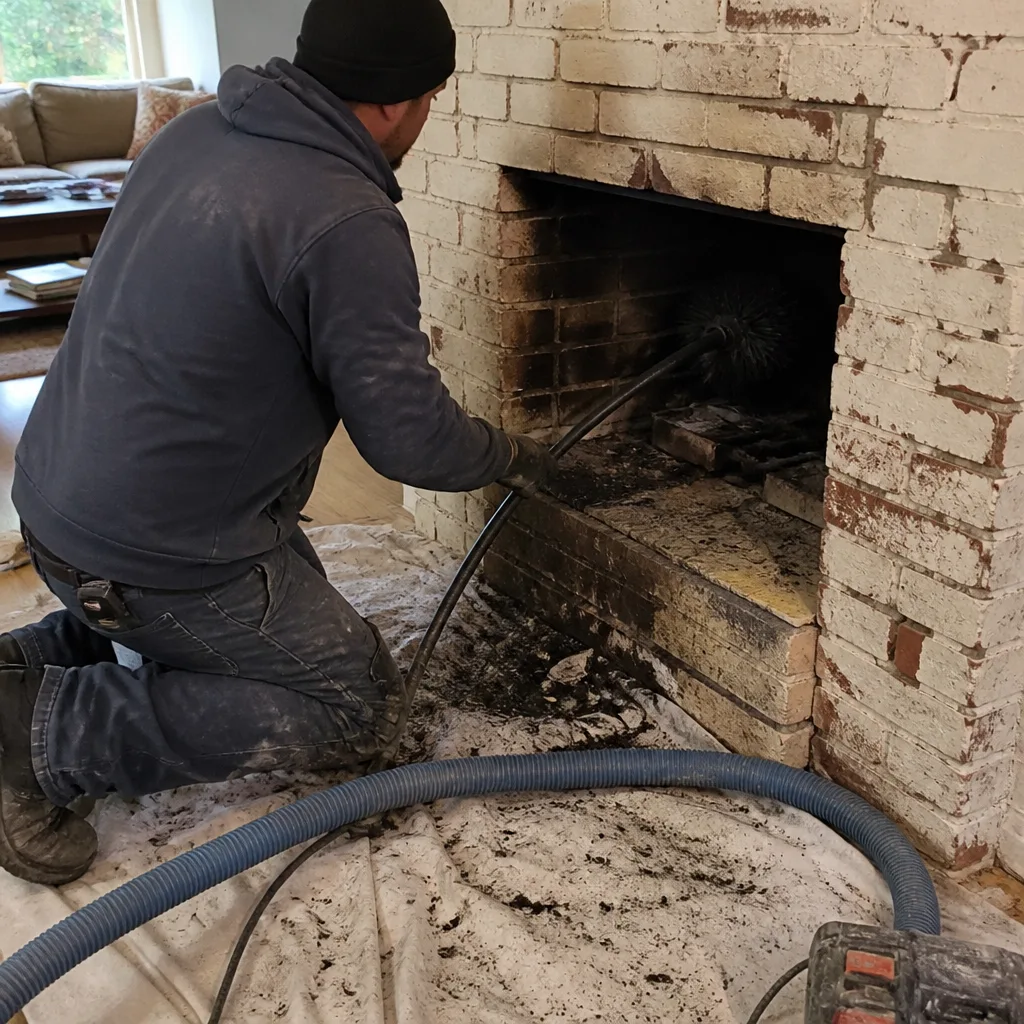 Before
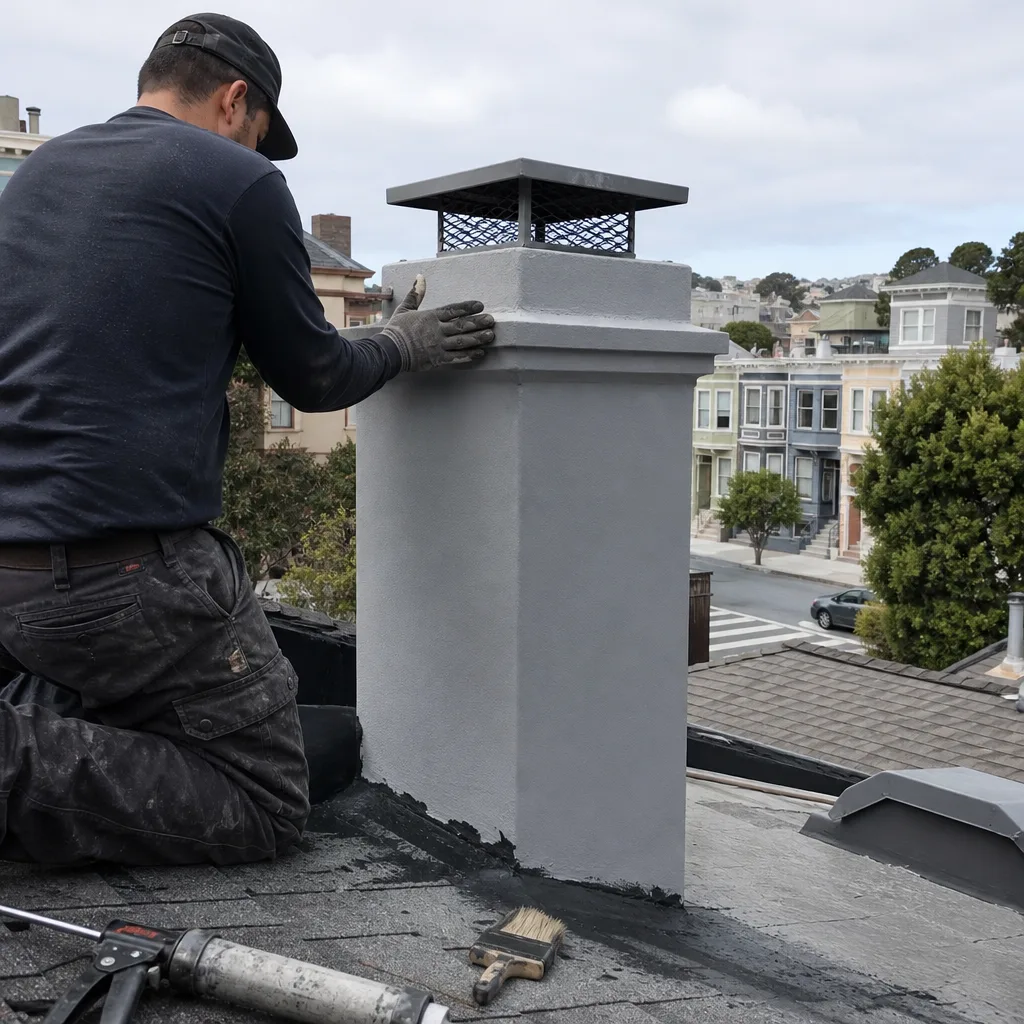 After
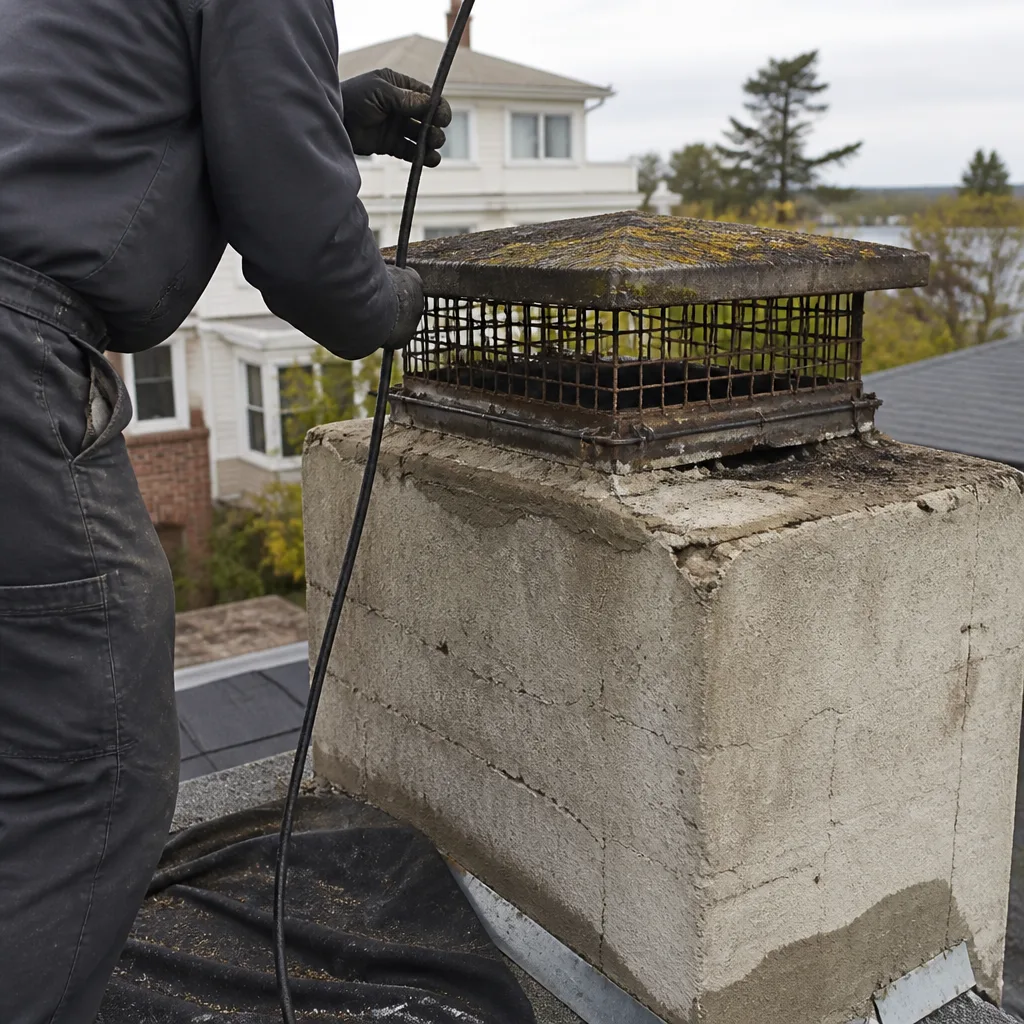 Before
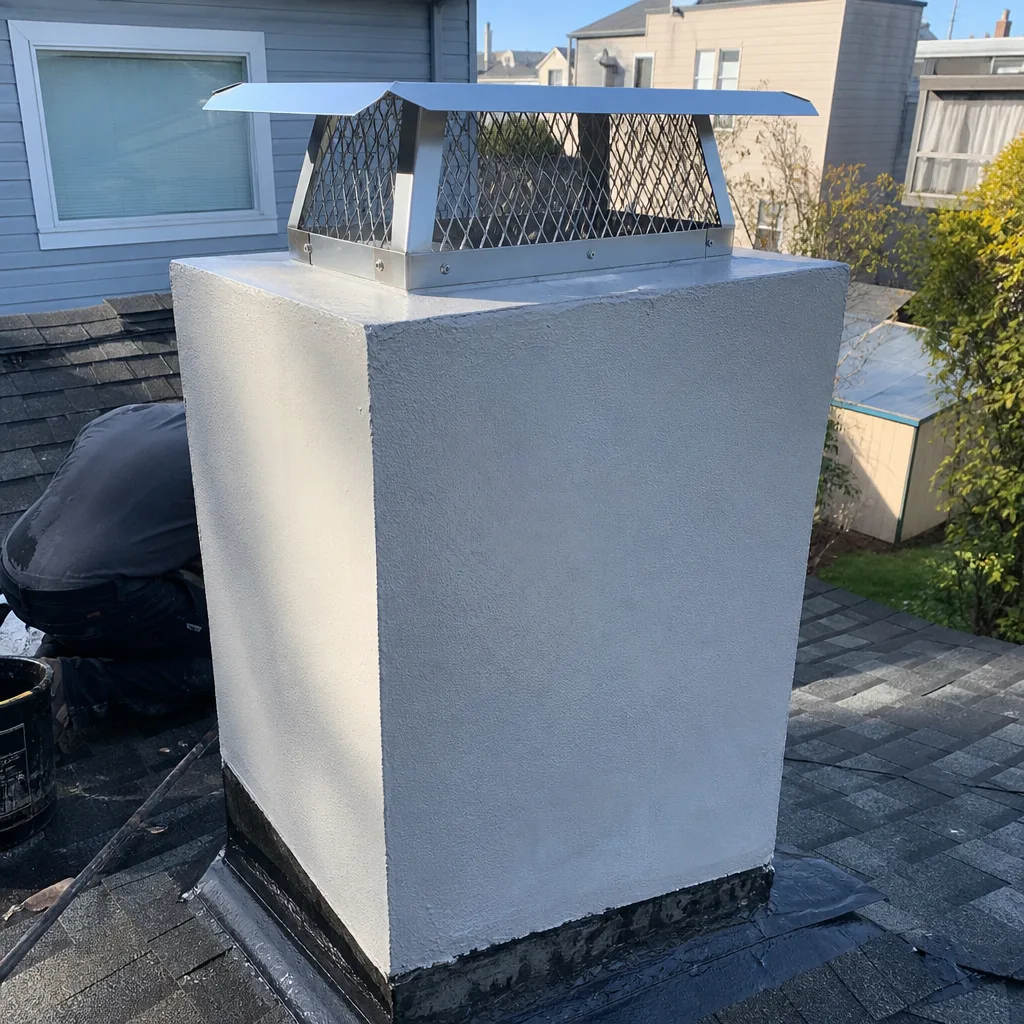 After
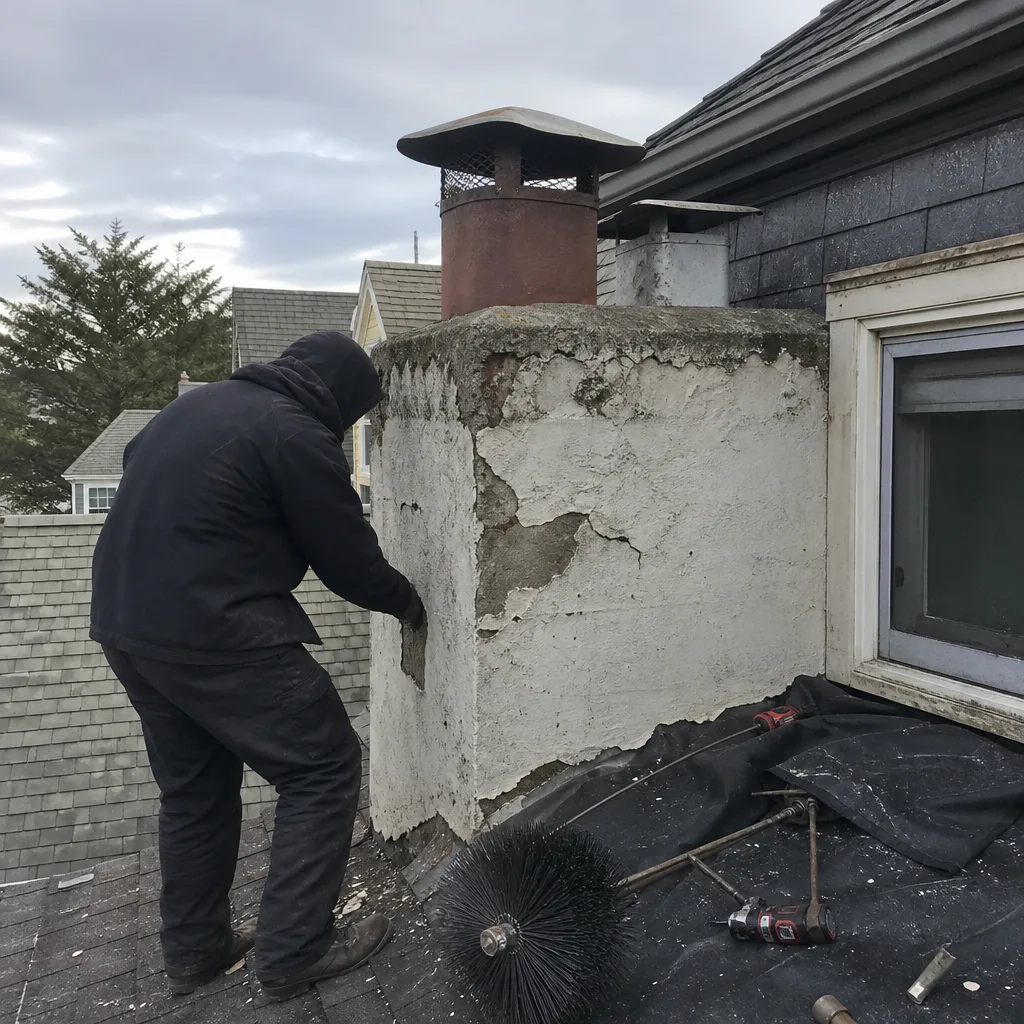 Before
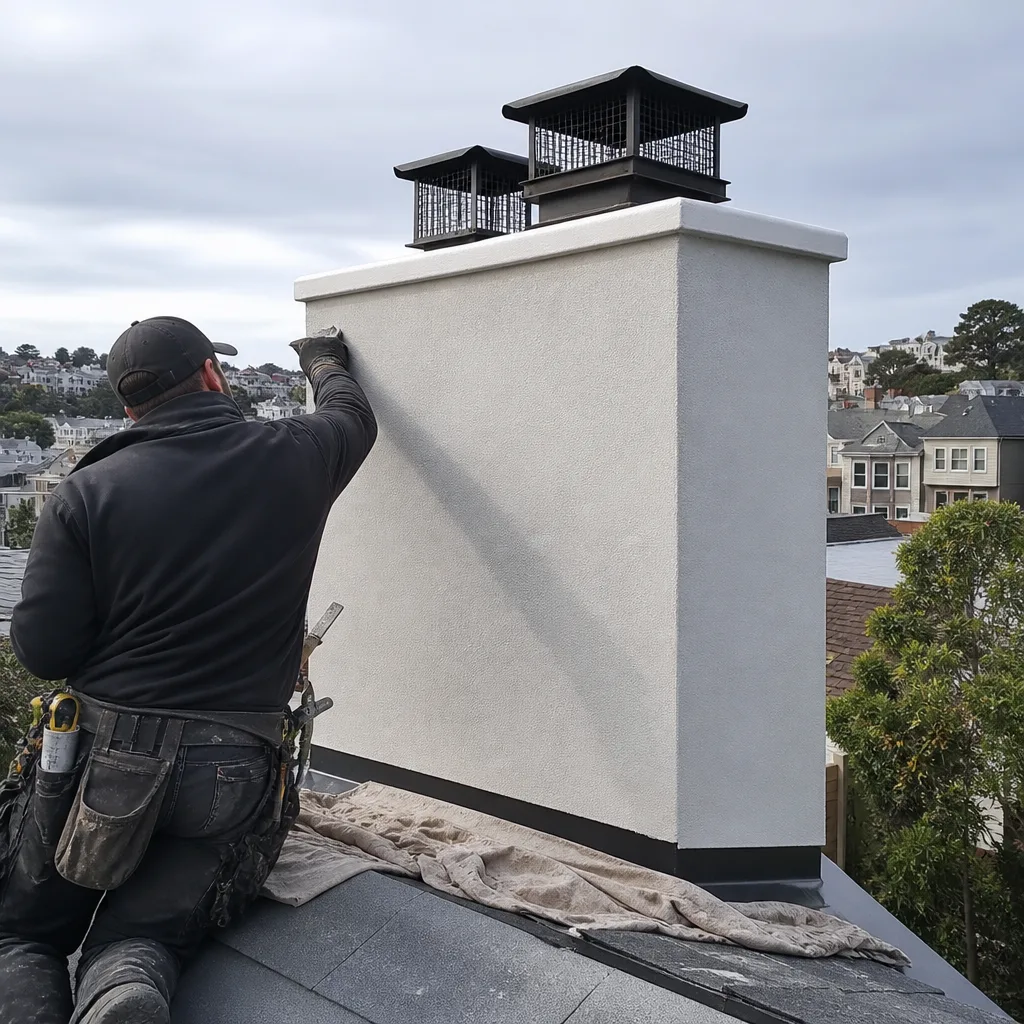 After