
Last updated November 3, 2026
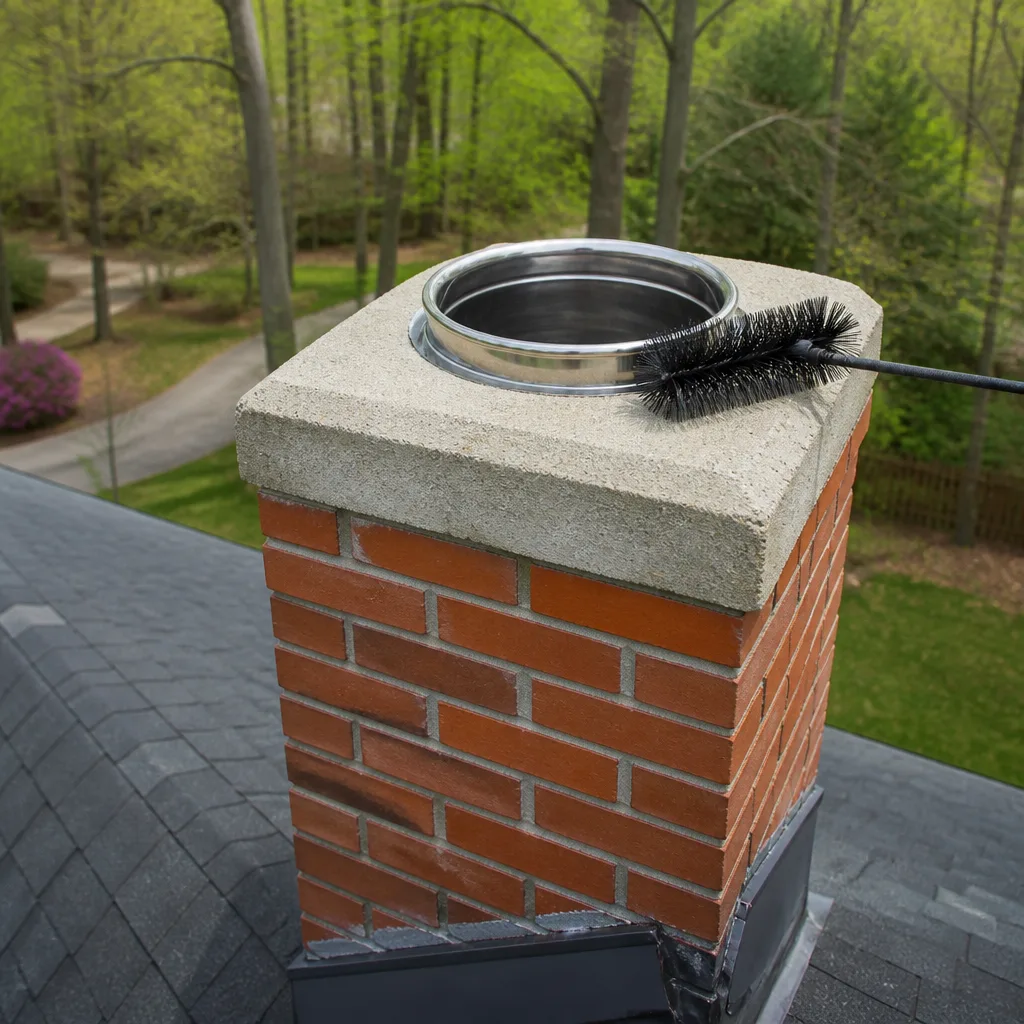 Sweep & inspection
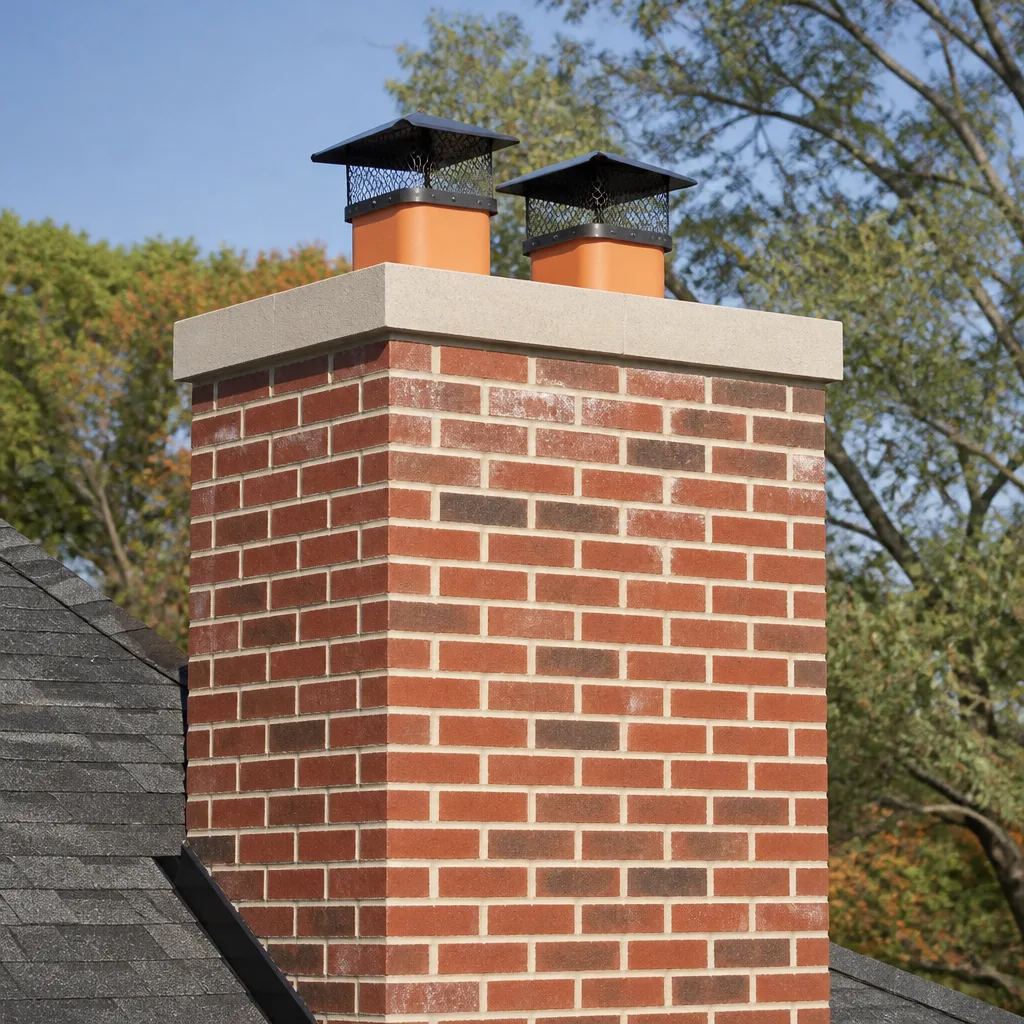 Caps & crowns
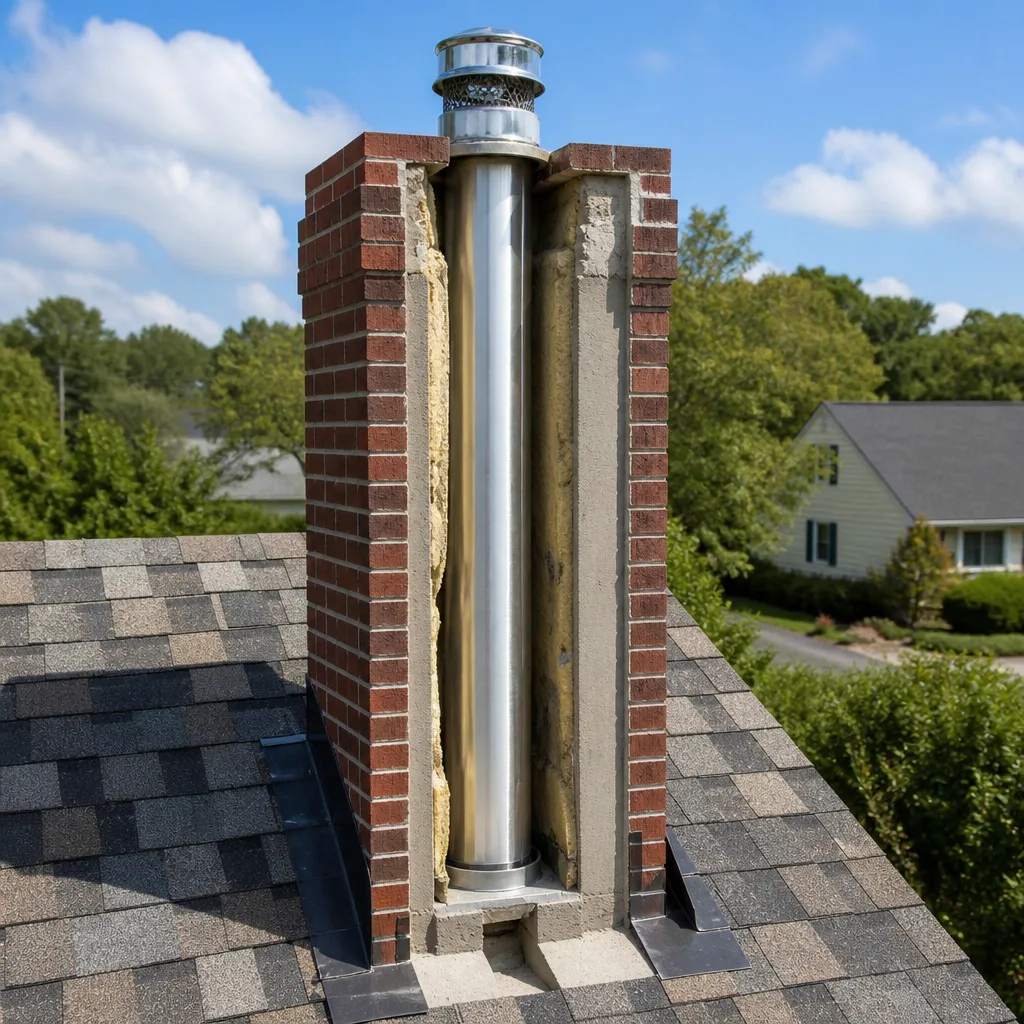 Flue relining
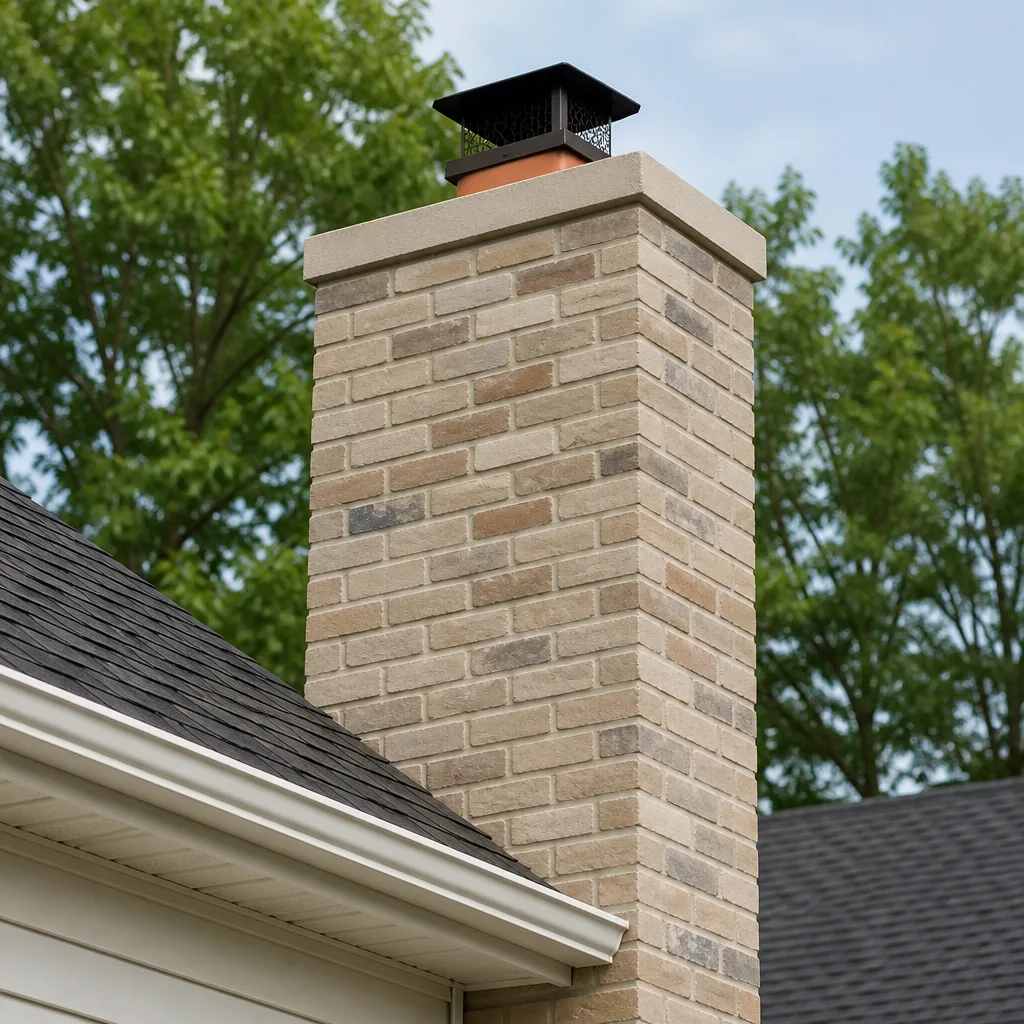 Masonry repair
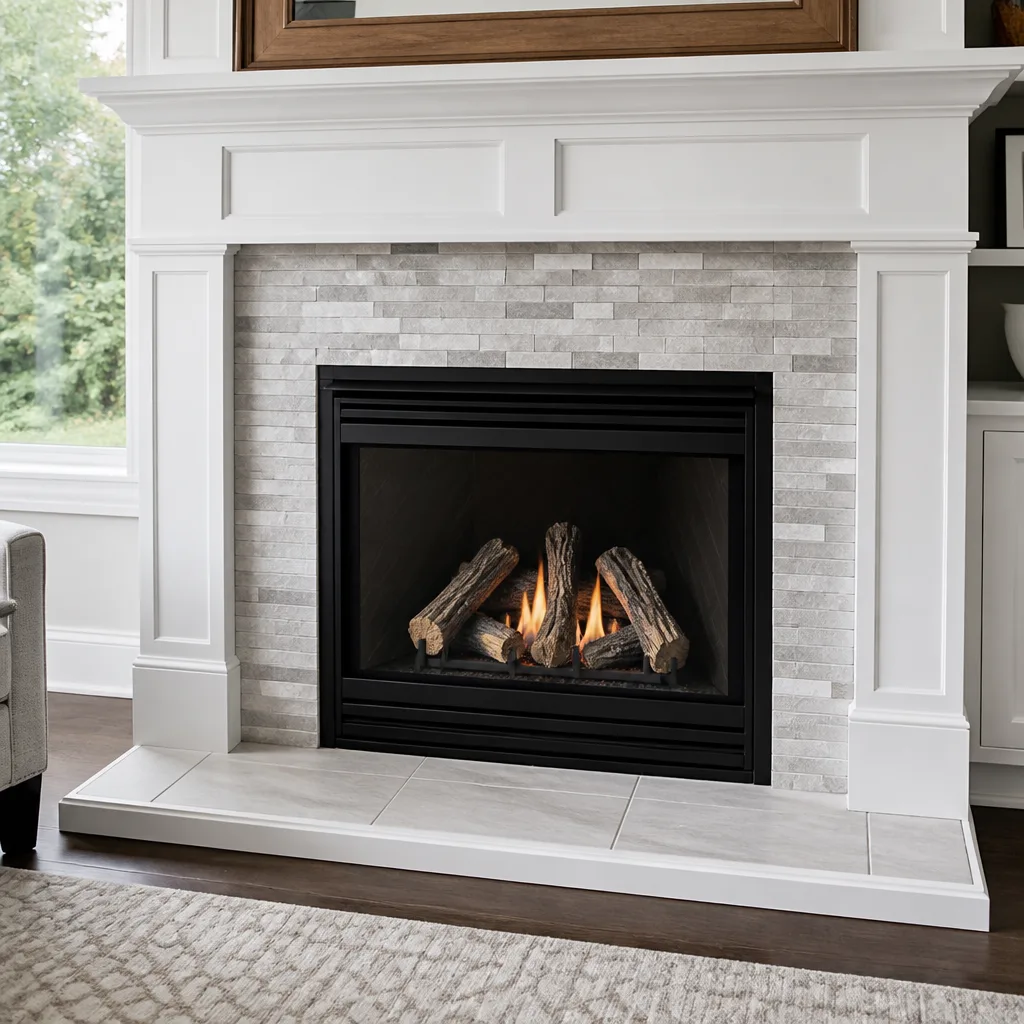 Gas fireplace service
Level 1 sweep and inspection to the NFPA 211 annual standard - flue, crown, cap, and flashing checked and photographed
Chimney sweep logs do not sweep chimneys. They loosen some creosote - which then falls where a brush and vacuum still have to collect it.
Chimney Cleaning Warning Signs: An Alamo Square Homeowner’s Reference Guide
If you wait for smoke to roll back into your living room before you think about your chimney, you’ve missed the problem by about eight months. The flue is a structural system, and like most structural systems it fails slowly, sometimes silently, and usually in plain sight if you know where to look. This guide walks through the early indicators that your chimney needs attention, what each one actually means from a technician’s perspective, and which ones require you to stop using the fireplace today. We’ve written it specifically for Alamo Square homeowners because our housing stock, our fog exposure, and our older masonry create a particular set of failure patterns you won’t find in a generic national checklist.
Styles & brands we work with
- Sweep & inspection
- Caps & crowns
- Flue relining
- Masonry repair
- Gas fireplace service
Quick Answer
The chimney warning signs that matter most are rarely the dramatic ones. White staining (efflorescence) on exterior brick, a creosote smell that shows up on humid days, mortar sand accumulating at the base of the chimney, and a fireplace that’s harder to light than it used to be are all early-stage indicators of moisture, draft, or structural trouble. If you notice any of these, stop using the fireplace and book an inspection. In Alamo Square, a professional chimney cleaning with a camera inspection typically reveals whether what you’re seeing is cosmetic or structural within the same visit.
Table of Contents
- A Tiered Warning Framework: What’s Urgent, What Can Wait, and What’s an Emergency
- Efflorescence: The White Stain That Isn’t Cosmetic
- Spalling and Mortar Recession: What Your Masonry Is Telling You About the Flue
- Odor Diagnostics: Four Distinct Smells and What Each One Means
- Draft Problems: The Symptom With Five Different Causes
- Roof-Level Signs Most Homeowners Never See
- Common Mistakes to Avoid
- When to Call a Professional
- Frequently Asked Questions
- The Bottom Line
A Tiered Warning Framework: What’s Urgent, What Can Wait, and What’s an Emergency
Not every chimney problem is a five-alarm fire. Treating them all as equal either leads to panic or, more commonly, to ignoring everything because it’s too stressful to sort out. We use a three-tier system when we’re training technicians and explaining findings to homeowners in Alamo Square. It’s the same framework you can use at home before you pick up the phone.
Tier 1: Monitor Until Your Next Scheduled Service
These signs indicate normal wear or conditions that will eventually need work, but they’re not a safety hazard today. You can keep using the fireplace and note them for your next chimney sweep in Alamo Square.
- A faint creosote smell only when the fireplace has been unused for several weeks, especially in summer humidity
- Light dusting of soot at the fireplace opening after windy days
- Hairline cracks in the firebrick (not the chimney exterior)
- Minor surface rust on the damper assembly without pitting
- The smell of a wood fire 12 to 24 hours after the last burn, without visible smoke in the room
These don’t require a same-week call. But they’re on the record. We’ve seen homeowners note a Tier 1 item, skip the next two seasons of service, and return to a Tier 3. The point of the framework is not that Tier 1 is safe to ignore, it’s that Tier 1 is safe to schedule.
Tier 2: Call Within 30 Days
These signs suggest a moisture, draft, or early structural issue that will get worse without intervention. You should stop using the fireplace and book an inspection within the month. In Alamo Square, where the fog keeps masonry damp for long stretches, these conditions progress faster than they do in drier inland climates.
- Efflorescence that reappears or spreads after you clean it off the brick
- A damp, musty smell coming from the firebox after rain
- Visible rust streaks on the exterior chimney chase or cap
- Flakes of masonry or mortar sand accumulating at the chimney base
- Backdraft: smoke enters the room when you open the fireplace doors or when a bathroom fan or range hood is running
- Animals sounds or nesting debris visible at the top of the flue
Tier 3: Stop Use Immediately
These indicate active combustion risk, structural instability, or a compromised flue liner. Do not use the fireplace, do not burn a “test log” to see if it’s still happening, and do not wait for the next available opening to deal with it.
- Visible smoke entering the room with the damper fully open and no competing exhaust running
- Pieces of flue tile, brick, or mortar falling into the firebox
- Strong chemical or gas-like odor when the fireplace is cold
- Visible daylight through the chimney interior from the firebox
- Active water dripping into the firebox during or immediately after rain
- Any sign of a chimney fire having occurred: puffy, gray, honeycomb-textured creosote, warped damper, or discolored chimney cap
For Tier 3 conditions, a chimney repair in Alamo Square is often required before the system can be swept back to service. Sweeping a structurally compromised flue is like vacuuming a house with a failing roof, it doesn’t address the actual problem.
Efflorescence: The White Stain That Isn’t Cosmetic
White, chalky staining on exterior brick is the most commonly misread warning sign in chimney maintenance. Homeowners treat it as an aesthetic issue and pressure-wash it off. That’s the opposite of what’s happening. Efflorescence is a diagnostic signal: water is entering the masonry, dissolving internal mineral salts, and migrating outward. When the water evaporates, the salts crystallize on the surface. The stain is the footprint of a water pathway, and that water is moving through the same masonry that contains your flue.
In Alamo Square, we see efflorescence on chimneys of every age. The fog cycle plays a role: brick absorbs moisture overnight, warms slowly during the day, and never dries fully. This means Alamo Square chimneys can develop efflorescence faster than identical structures 15 miles inland, and the moisture stays in the masonry long enough to do real damage.
What efflorescence tells us, depending on where it appears:
- Lower chimney body: Ground moisture wicking upward through the foundation course, often because the chimney lacks a proper dampproof course or the original one has failed.
- One side only: Wind-driven rain penetration through spalled or cracked brick on that elevation. The fog rarely causes one-sided staining; saturation from a leak or a failing cap does.
- Near the top: A damaged or missing chimney cap is letting water directly into the flue and surrounding masonry. This also explains most Tier 2 damp smells from the firebox.
- Underneath a repaired section: Often means the previous repair used standard mortar instead of the correct compressive-strength lime mortar, trapping moisture behind the patch.
One thing worth knowing: efflorescence itself is not structural damage. It’s the visible indicator that conditions causing structural damage are present. Treating the stain without treating the water source is the equivalent of painting over a termite trail. If you’re seeing it, your next call should be to someone who knows what the stain indicates, not someone who owns a pressure washer.
The fix varies. Sometimes it’s a new cap or a Chimney Sweep Alamo Square crown seal. Sometimes it’s repointing with the correct mortar specification. Sometimes the water intrusion has already affected the flue liner, which requires a camera inspection to determine. The point is that efflorescence is the beginning of a conversation, not the end of one.
Spalling and Mortar Recession: What Your Masonry Is Telling You About the Flue
Spalling is the fragmentation of brick or stone surfaces. You’ll see flakes, chips, or chunks of brick face on the ground near the chimney, or recessed patches where the outer layer of brick has separated. Mortar recession is the wearing back of mortar joint material from between the bricks. Both are structural warning signs that most chimney guides skip over, and both tell you something specific about what’s happening inside the flue.
Here’s what we know from working on Alamo Square chimneys week after week:
Mortar recession is a moisture timeline. When mortar joints erode more than about a quarter inch, water penetrates the chimney wall at that depth. That moisture expands inside the brick during freeze-thaw cycles, or it sits and degrades the bond. The deeper the recession, the more water entry points exist, and the more the chimney’s structural envelope is compromised. A chimney with visibly recessed mortar is, in effect, already an open chimney, just at small scale. And water inside the masonry wall eventually reaches the flue liner. Once a clay tile liner gets wet and then heated, hairline cracks form. Those cracks are the entry point for combustion gases into the home’s structure.
Spalling is brick death, not brick injury. When the face of a brick pops off, the compressive integrity of that brick is gone. Spalled brick can’t hold a mortar bond. Water pools in the spalled cavity. The remaining brick body continues to deteriorate. On the chimney exterior, this concentrates in two places: the top courses near the crown, where saturation is highest, and the lower courses near ground level. Both are load-bearing. Both are also the areas where a chimney fire’s heat stress becomes visible, but more often in Alamo Square it’s simply decades of fog damp and temperature cycling.
Why this matters for the flue, not just the exterior: the chimney wall and the flue liner are a system. Moisture that compromises the masonry wall eventually reaches the liner. A cracked or shifting liner allows flue gases to enter wall cavities and living spaces. The exterior damage you can see is the leading indicator of interior damage you can’t. When we perform a chimney cleaning in Alamo Square, the camera inspection includes the liner interior precisely because exterior masonry condition and liner integrity are rarely independent variables.
If you’re seeing spalling or significant mortar recession, don’t wait for the next sweep. The structural repairs required are more involved than a cleaning visit, and scheduling them sooner means smaller repairs. Bricks can be replaced individually when the damage is localized. If the damage has spread, you may be looking at partial rebuilding, which is a materially different conversation.
Odor Diagnostics: Four Distinct Smells and What Each One Means
Chimney odors are one of the most useful diagnostic tools a homeowner has, but only if you can distinguish them. Most people lump everything into “the fireplace smells bad” and stop there. The smell itself is a data point. Here are the four odor profiles we’ve learned to identify in Alamo Square homes, and what each one tells us.
1. Sharp, acrid, tar-like smell (strongest in humid weather)
This is creosote. It’s always present in wood-burning systems to some degree, but when you can smell it strongly with the damper closed, the creosote layer has built up to a point where it’s off-gassing into the room. Humidity amplifies the smell. In Alamo Square, where summer fog keeps indoor air moisture high, this smell is often at its worst in July and August, months when the fireplace isn’t used at all. The presence of a strong creosote smell when the fireplace is idle for months usually means the last sweep was too long ago, or the system is burning inefficiently. It’s a Tier 1 to Tier 2 signal depending on intensity.
2. Wet, earthy, mushroom-like smell after rain
This is moisture, not creosote. The water is entering the chimney somewhere, saturating the masonry or the accumulated soot and creosote inside. In Alamo Square, this smell often appears after the first heavy rain of the season, when water has finally penetrated a compromised crown or flashing that stayed dry all summer. It’s a Tier 2 signal. Left unaddressed, the same water is doing structural damage and will accelerate liner deterioration. It also creates a hospitable environment for mold growth inside the flue.
3. Decayed, organic, sweet-and-sour smell with possible scratching sounds
This is animal intrusion. Birds, squirrels, raccoons, or rodents have nested in or near the flue, and the organic material is decomposing. The smell is often accompanied by sounds, especially in the morning or evening. This requires a professional inspection to determine whether the animal is still present, where the nest is, and how they got in. It’s more than an odor problem: animal nesting materials are highly flammable and frequently block the flue partially or fully. In Alamo Square, with mature trees close to rooflines, animal intrusion is one of the most common findings on inspection.
4. Smoky or exhaust-like smell when the fireplace is not in use
This is combustion backdraft, and it’s the one we take most seriously. It means flue gases from the previous burn are not being exhausted correctly, or worse, gases from another appliance sharing the flue are entering the living space. The smell is often strongest when the home is sealed up tight, windows closed, with the furnace or a bathroom exhaust fan running. That negative pressure pulls gases back down the flue. It’s a Tier 3 signal if it persists: the combustion path is compromised or the draft is inadequate. Do not use the fireplace until this is diagnosed.
One note on gas fireplaces: gas appliances vented through a chimney shouldn’t smell at all when off. A persistent odor from a gas unit can indicate venting problems or an incomplete burn, both of which are combustion safety issues. A professional inspection is the right next step.
Draft Problems: The Symptom With Five Different Causes
A fireplace that’s slow to light, pushes smoke into the room, burns low, or leaves the living room smelling like a campfire for a day afterward is suffering from a draft problem. Here’s the thing: the symptom doesn’t tell you the cause. The same “it won’t draw properly” complaint can stem from any of five different mechanical or structural issues, and the fix for each is different. Prescribing a fix without diagnosing the cause is how homeowners waste money.
1. Cold air blockage. A long-cold chimney, especially in Alamo Square’s cool mornings, is full of dense, cold air that resists the upward draw of warm flue gases. This is normal physics, not a defect, and the old trick of priming the flue with a rolled newspaper torch works. If the fireplace draws fine after the first few minutes, this is the cause.
2. Negative house pressure. A well-sealed Alamo Square home with kitchen fans, bathroom fans, a furnace, and a water heater running at once creates enough negative pressure to pull flue gases back down the chimney. The chimney isn’t broken; the house’s pressure balance is. This is why backdrafting often worsens on cold mornings when everything is running. Fixing it sometimes means a make-up air system, not a chimney repair.
3. Flue obstruction. Partial blockage from a bird nest, animal debris, flue tile fragments, or a collapsed liner restricts the draft path. This is the most common physical cause we find. It’s also one of the most hazardous because the obstruction itself can be flammable material near flue gases.
4. Incorrect flue sizing. When a fireplace or insert is installed with a flue that’s too small, too large, or the wrong height relative to the roofline, draft suffers chronically. This is a design/installation problem, not a maintenance one. Older Alamo Square homes sometimes have flues adapted for modern appliances with less-than-optimal sizing.
5. Competing chimneys or building interference. A chimney that terminates lower than a nearby roofline or taller adjacent structure struggles to draw when wind comes from certain directions. This is a geographic and architectural issue. The same symptom may only appear on specific wind days.
Those five causes share one symptom, but require very different interventions. Two of them are DIY-fixable, one is a house-pressure problem with wider implications, and two are structural. This is why “the fireplace is smoky” is not a diagnosis. It’s a starting point. Our approach in Alamo Square is to diagnose before recommending anything. The camera goes in before the brush does.
Roof-Level Signs Most Homeowners Never See
Half the diagnostic information on any chimney is visible only from the roof. Most homeowners never look. That’s not a criticism, it’s just practical: most people don’t climb onto an Alamo Square roof on a foggy morning to inspect their chimney cap. But it means a significant portion of early warning signs go unseen for years, which is exactly the timeline needed for a small problem to become a structural one.
Here’s what a professional sweep is looking at, in the order we look, and why each one matters:
- The chimney cap and spark arrestor. A missing, rusted, or undersized cap is the single most common entry point for water. The cap is also where animal intrusion begins. A cap that’s damaged or installed incorrectly accounts for a disproportionate share of Tier 2 and Tier 3 conditions we find in Alamo Square. We install Gelco chimney caps specifically because the fitment is precise and the materials hold up to coastal moisture. A generic aftermarket cap that doesn’t match the flue dimensions is barely better than no cap.
- The crown. This is the masonry surface at the top of the chimney, and it should shed water away from the flue opening. A cracked or improperly sloped crown lets water pool and saturate the top courses of brick. Crown failure is the most common source of efflorescence near the top and of damp smells in the firebox.
- The flashing. Where the chimney meets the roofline, flashing should be intact, properly layered, and sealed. Damaged or lifted flashing allows water to run down the chimney wall and into the roof structure. This creates roof leaks that homeowners often attribute to the roofing itself, when the actual entry point is the chimney junction.
- The mortar joints at the top courses. Above the roofline is the most weather-exposed section of the chimney. Mortar recession and spalling here indicate maximum saturation and rapid deterioration. Since the top courses also bear the weight of the cap and crown, failure here progresses quickly.
- The flue liner condition at the opening. Cracks, gaps, or crumbling at the liner’s top rim are the visible end of damage that may extend much further down. The top of the liner is the point of highest heat and rapid weather cycling, so it often shows damage first. When we see liner damage at the top, the camera goes in to find how far down it extends.
This is why a full-service chimney repair in Alamo Square needs to include roof-level inspection as standard. Skipping the roof-accessible parts of the chimney is like a doctor checking only one side of your body. The information missed is usually the information that matters most.
Common Mistakes to Avoid
We see the same homeowner decisions backfire repeatedly. These are the specific mistakes, in the specific Alamo Square context, that turn a Tier 2 condition into an expensive one.
- Pressure-washing efflorescence off the brick. It removes the visible signal without removing the water source. Worse, high-pressure water drives more moisture into the masonry. You’ve just hidden the diagnostic evidence and worsened the underlying problem.
- Burning “chimney cleaning logs” as a replacement for sweeping. These logs alter creosote chemistry and may loosen some deposits, but they do not remove them, they do not inspect the flue, and they give a false sense that the chimney is clean. A sweep is a mechanical process plus an inspection. A log is neither.
- Waiting until fall to book a sweep in Alamo Square. Every chimney company in the area is booked solid from September through December. Booking in summer means you’ll have your inspection done before the burn season, with time to address any repairs. Booking in November means you’ll either wait weeks or go without a clean inspection during the highest-use period.
- Treating a chimney problem as isolated from the dryer vent. Your chimney and your dryer vent in Alamo Square are both combustion-safety systems serving the same home. A home with negative pressure affecting the chimney is often the same home with lint accumulation in the dryer duct, if the exhaust paths share wall cavities or the same pressure environment. The systems should be assessed together.
- Ignoring the fireplace in summer because it’s not in use. Summer is when moisture damage from the fog cycle is easiest to see. Damp smells, efflorescence, and animal activity are all most visible when the system is cold and unused. The off-season is the diagnostic season.
- Patching visible cracks without understanding the source. Whether it’s exterior masonry cracks or firebox cracks, patching the visible surface does nothing if the underlying cause is water, thermal stress, or structural settlement. The crack will return, and by then the damage will be larger. Diagnose first, repair second.
- Assuming a prefab or metal chimney doesn’t need maintenance. Prefabricated chimneys have different components than masonry ones, but they fail too. Their caps, chase tops, and interior liners require the same inspection discipline. In Alamo Square, metal chase tops and caps corrode faster in fog-salt air than many homeowners expect.
When to Call a Professional
If you’ve spotted a Tier 2 or Tier 3 sign, or if you simply haven’t had your system inspected in two or more burn seasons, the right time to call is now, not when the weather turns. A professional chimney inspection in Alamo Square includes a roof-level assessment, a camera inspection of the flue interior, and a clear explanation of what was found before any work begins. That last point matters: we explain what we find, in plain terms, before we touch anything. You should never be presented with a repair recommendation you didn’t see demonstrated on camera. Chimney Sweep Alamo Square offers free estimates in Alamo Square, call (833) 620-7061 to schedule yours.
Frequently Asked Questions
The National Fire Protection Association standard is an annual inspection, with sweeping performed when creosote buildup reaches 1/8 inch or more. In practice, most Alamo Square homeowners get swept annually if they burn wood regularly. If your usage is occasional, every other year may be sufficient, but an annual inspection is still the right minimum because it catches structural and moisture problems before they escalate.
Pricing varies by the scope of the inspection and the condition of the system. A standard inspection with a camera typically runs between $150 and $300 in the Alamo Square market, depending on roof access difficulty and flue configuration. Chimney Sweep Alamo Square offers free estimates, so you’ll know the exact number before committing to anything. Call (833) 620-7061 for a quote.
You can remove loose soot and ash from the firebox, but a full sweep requires professional equipment, roof access, and most importantly, a trained eye for structural problems. A homeowner with a brush from the hardware store can make the flue look cleaner while missing a cracked liner, a failed crown, or an animal nest. The cleaning is only half the service. The inspection is the other half, and it’s the half that catches the problems you can’t see from inside the firebox.
Creosote accumulates. The first thing that happens is a reduced draft, meaning more smoke in the room and a dirtier, smellier fireplace. As the creosote layer thickens, the risk of chimney fire increases, because creosote is combustible at chimney temperatures. Chimney fires can crack liners and ignite surrounding structures. At the same time, any moisture or structural problem that cleaning would have caught gets a free year to progress. The cost of skipping a sweep is rarely just one sweep; it’s the repair that could have been small but is now large.
Sometimes you do, and sometimes you don’t. The only honest way to know is with a camera inspection that you see yourself. In our experience, liner replacement is genuinely necessary when there are visible cracks, gaps between tiles, spalled tile faces that expose the masonry behind them, or when the liner’s size no longer matches the appliance it’s venting. If a contractor recommends a liner without showing you the camera footage, that’s a red flag. Our policy is to show you what we see and let the evidence make the case. When relining is required, we install DuraFlex liner systems, a professional-specification brand not found in retail channels.
The best time is summer, but the second best time is whenever you’re reading this. Booking in the off-season means you’ll have the inspection and any necessary repairs completed before burn season demand peaks. It also means you’re assessing the system while moisture and animal activity are most visible. If you wait until November in Alamo Square, expect to wait longer for an appointment and to be repairing during the time you most want the fireplace working. Call (833) 620-7061 to schedule now, regardless of the season.
The Bottom Line
The chimney warning signs worth learning are the early ones: efflorescence, mortar recession, distinct odor profiles, draft inconsistencies, and roof-level conditions you may never see without help. Each tells a specific story about what’s happening inside the flue. In Alamo Square, the fog and older housing stock accelerate these failure patterns, which makes annual inspection more important here than in drier inland neighborhoods. You don’t need to become a chimney technician. You need to learn the signals, and know what to do when you see one. One call covers the sweep, the vent, and the repair, and you’ll get a plain-terms explanation of what’s actually happening before any work starts. That’s how the system should work.
Written by the team at Chimney Sweep Alamo Square, serving Alamo Square since 2011.
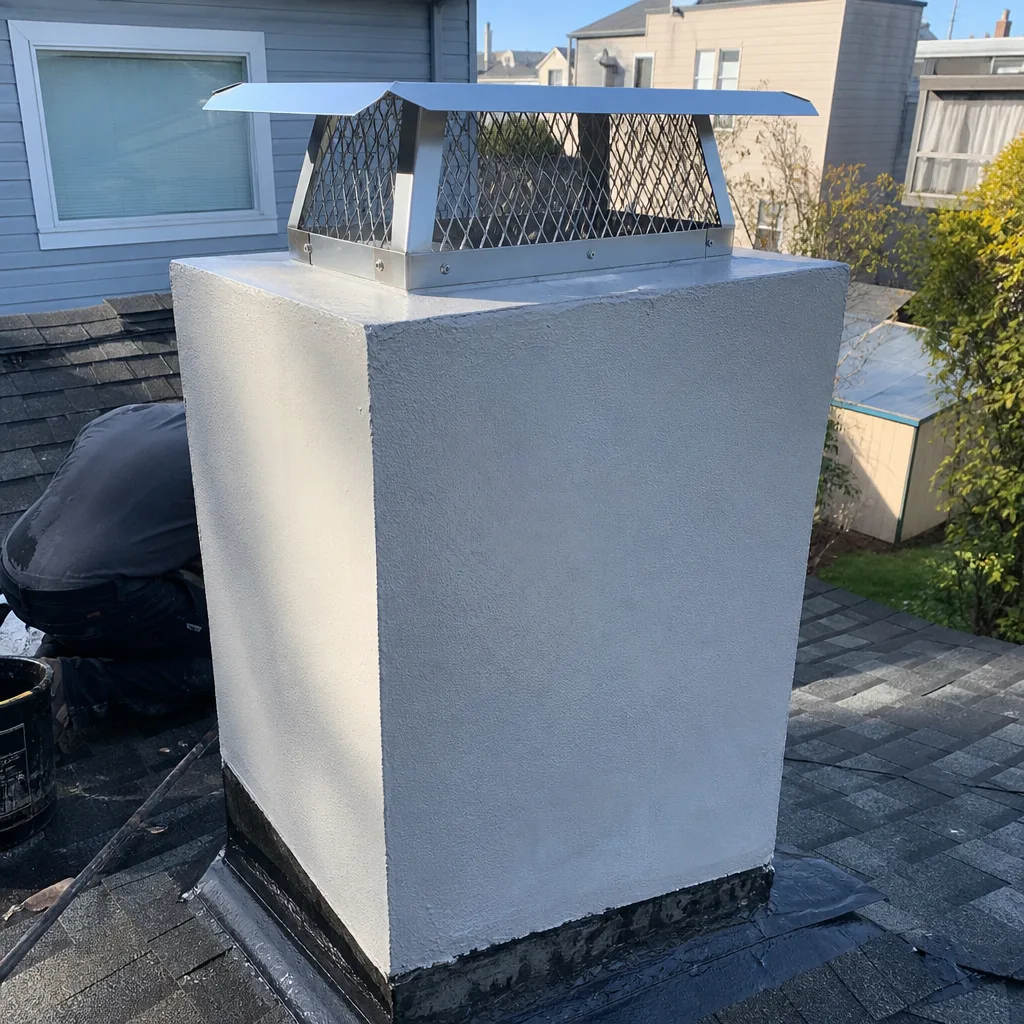
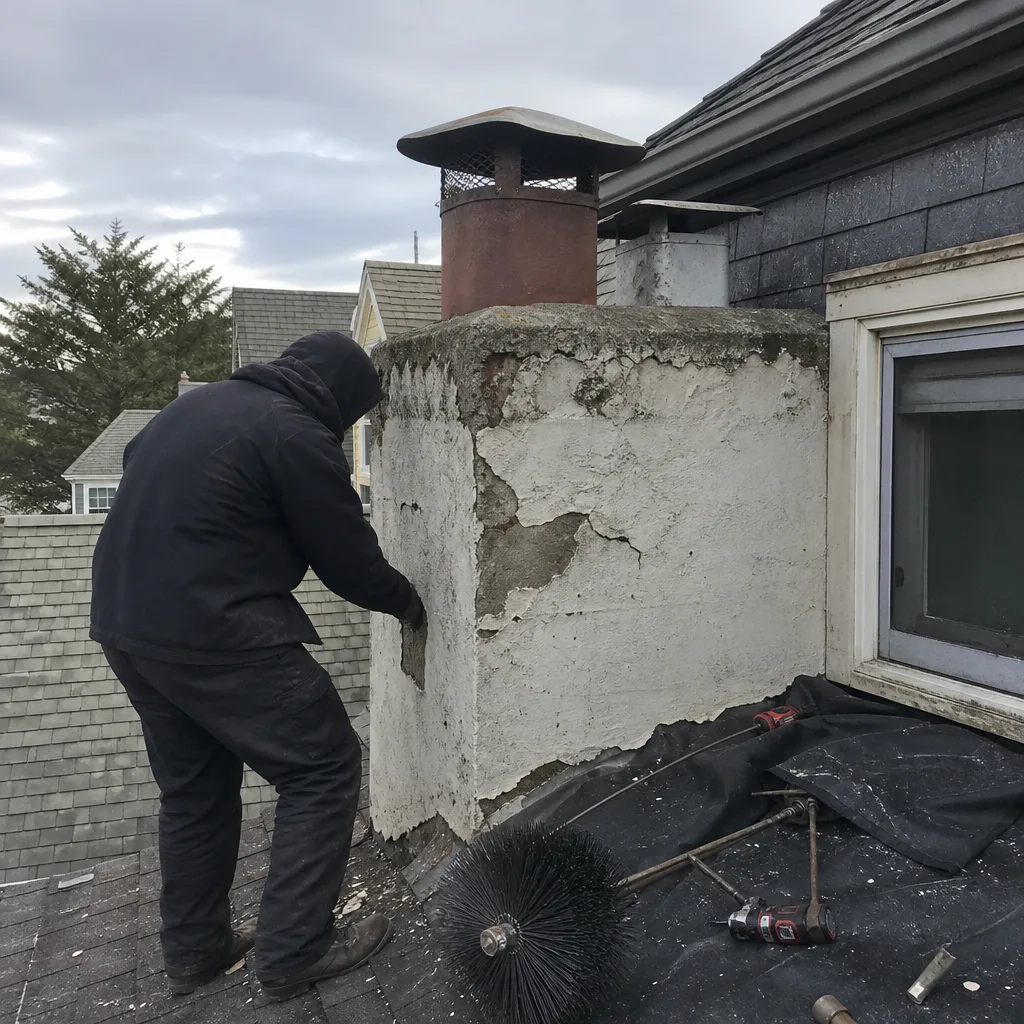
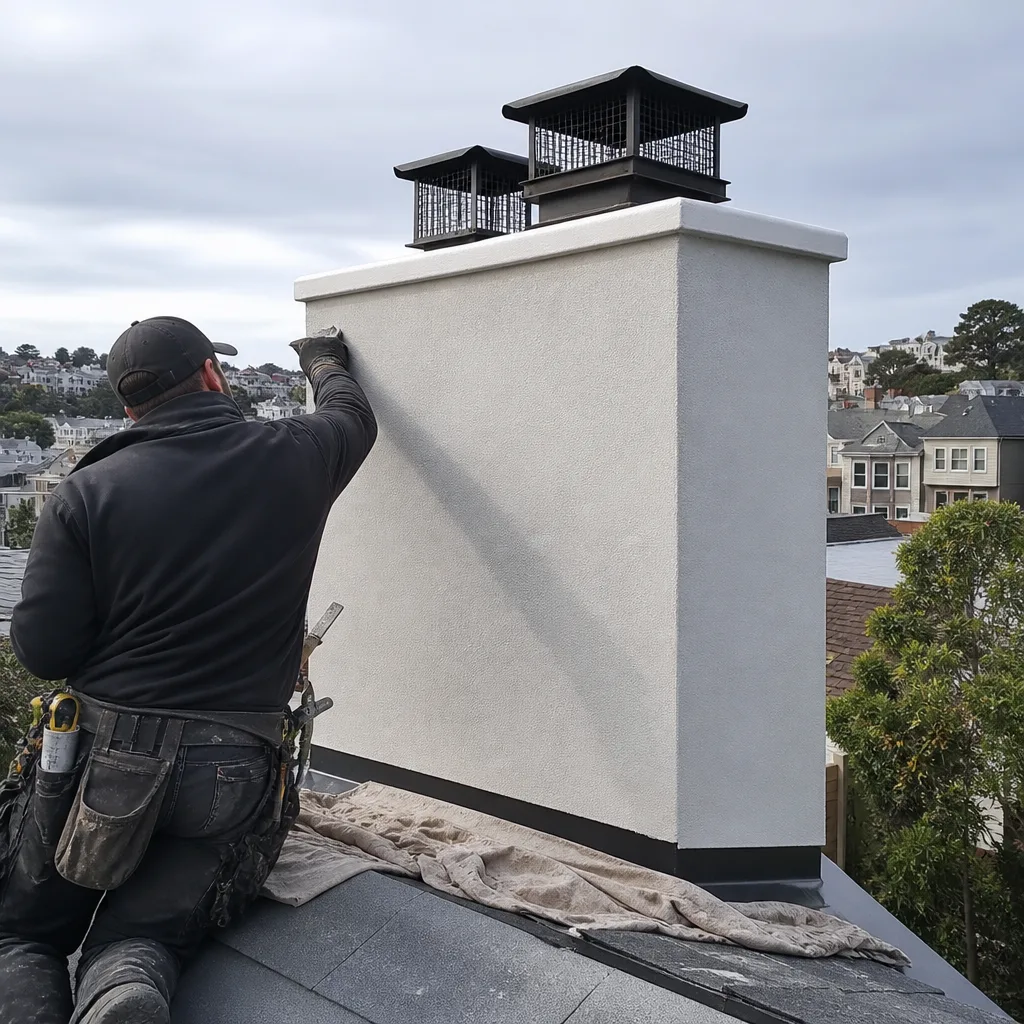
See the difference
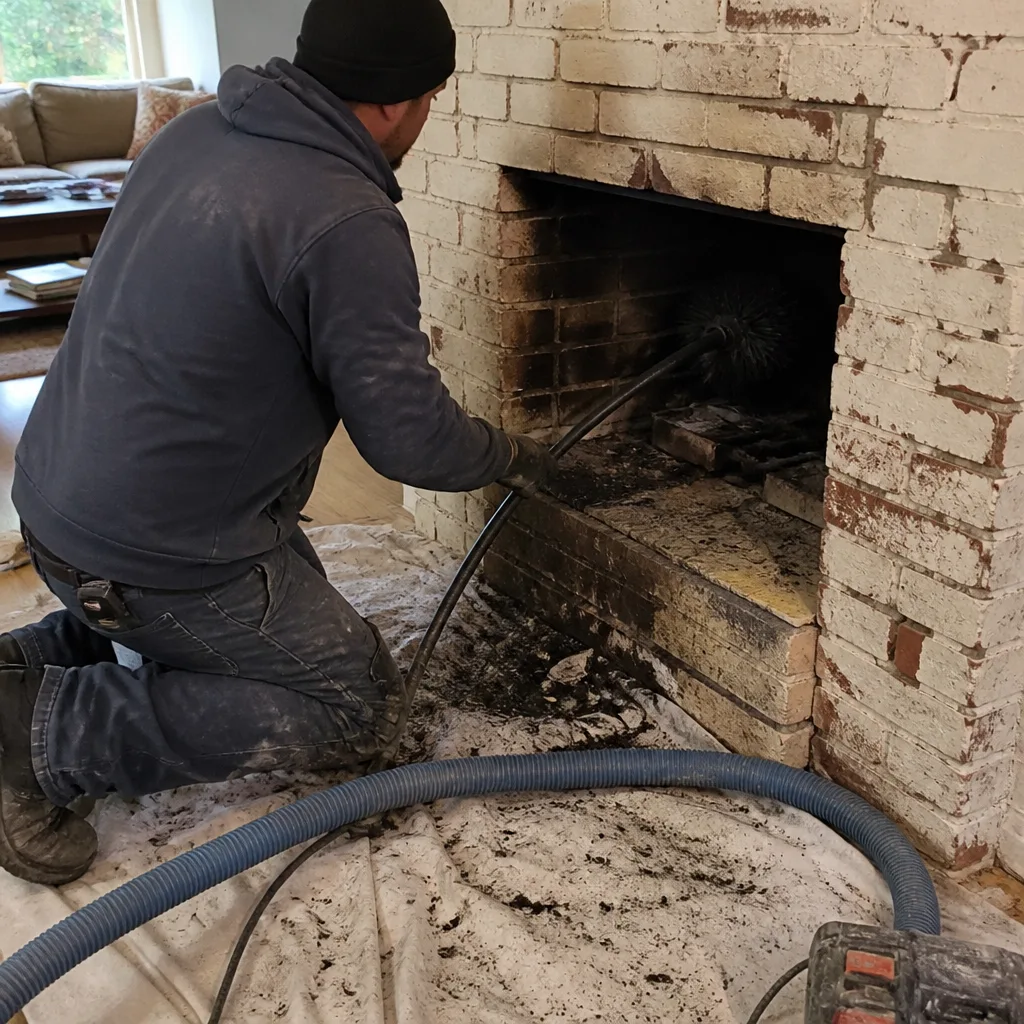 Before
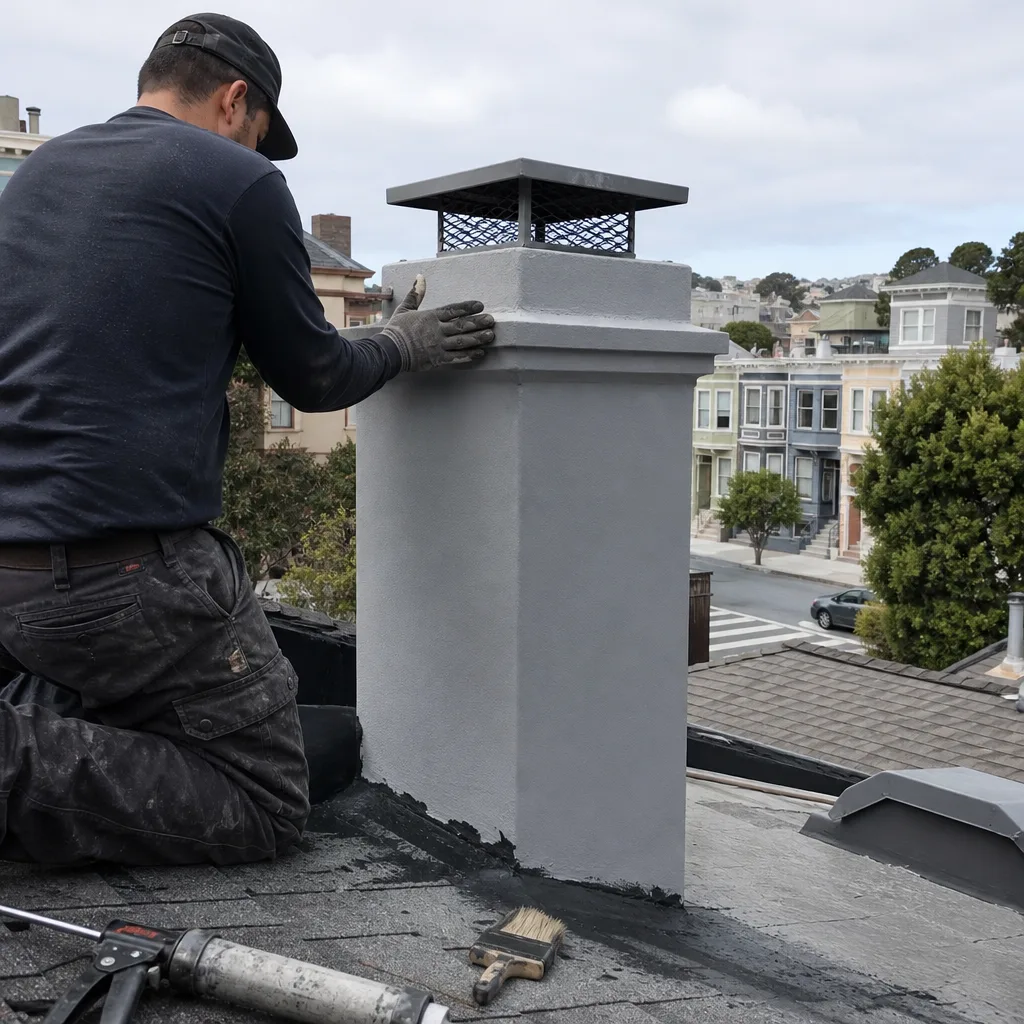 After
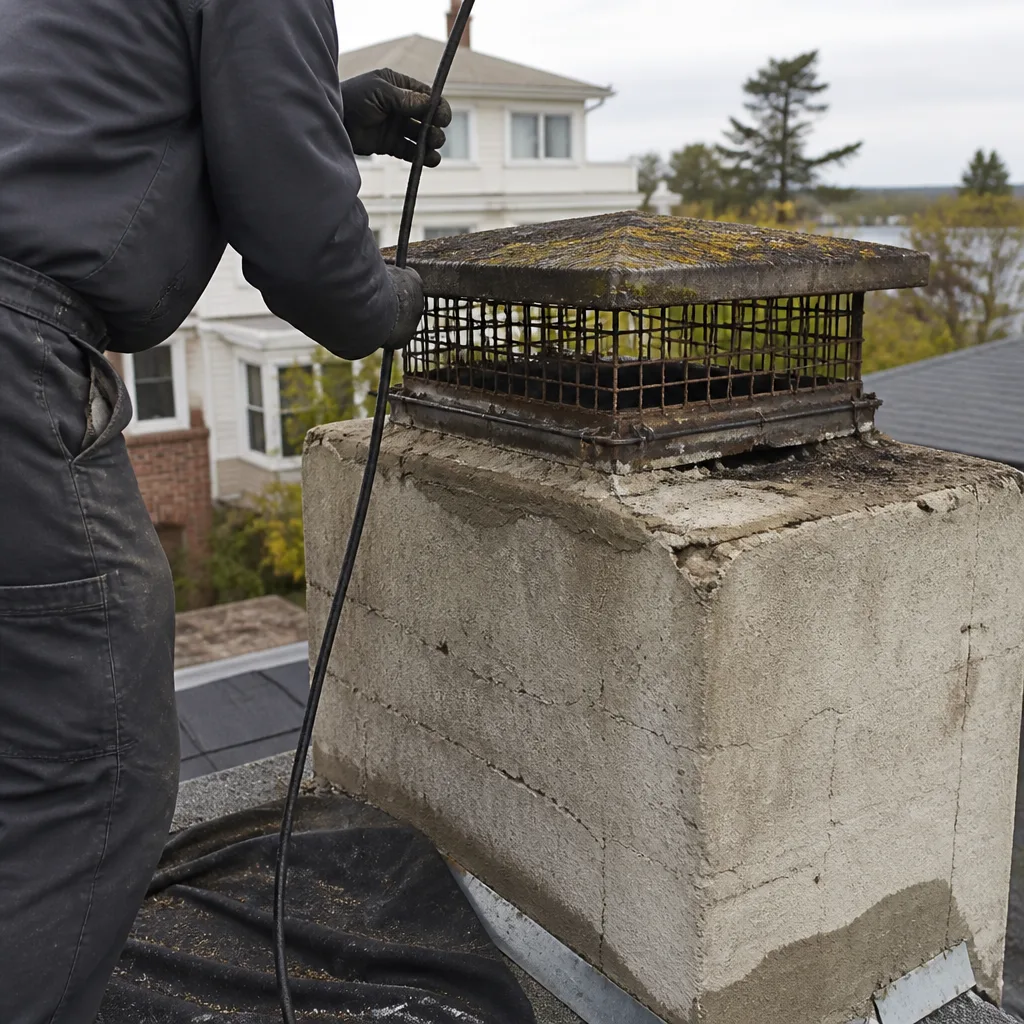 Before
 After
 Before
 After