
Last updated November 2, 2026
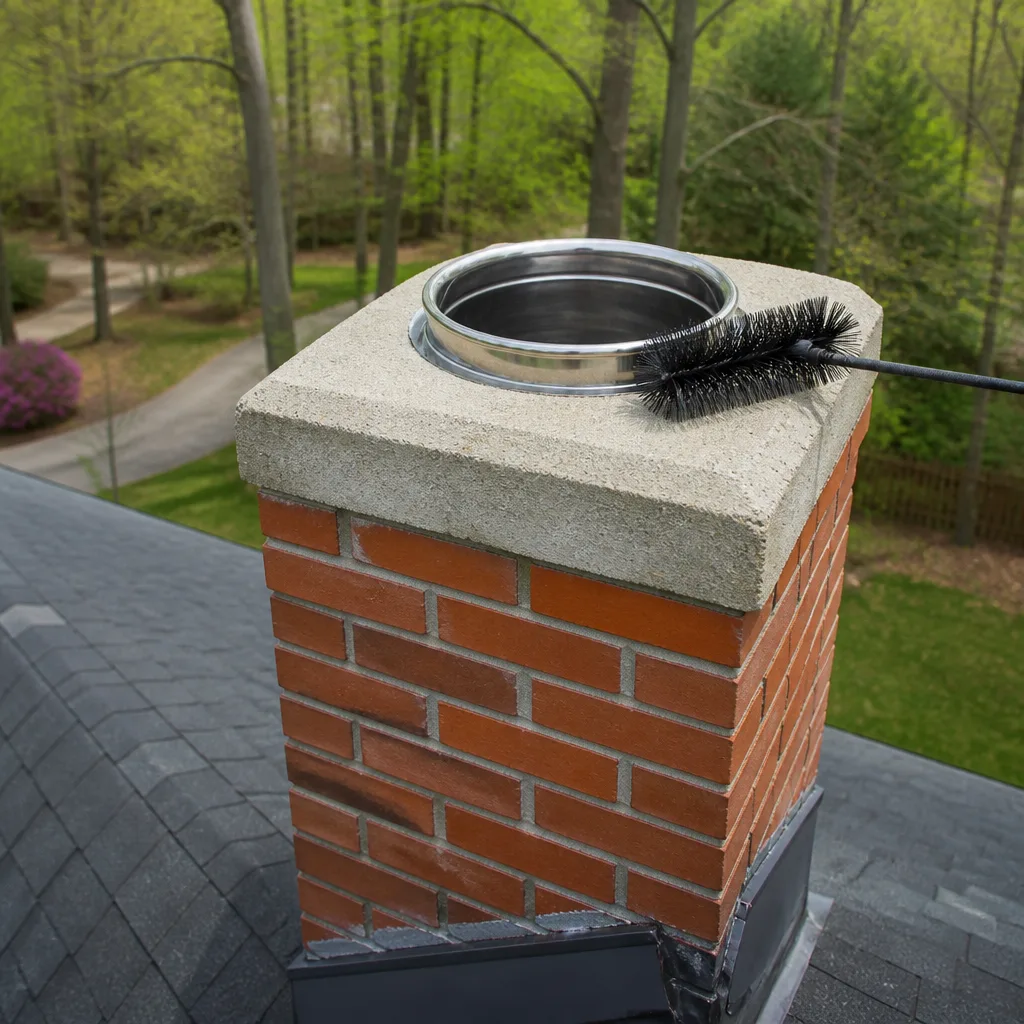 Sweep & inspection
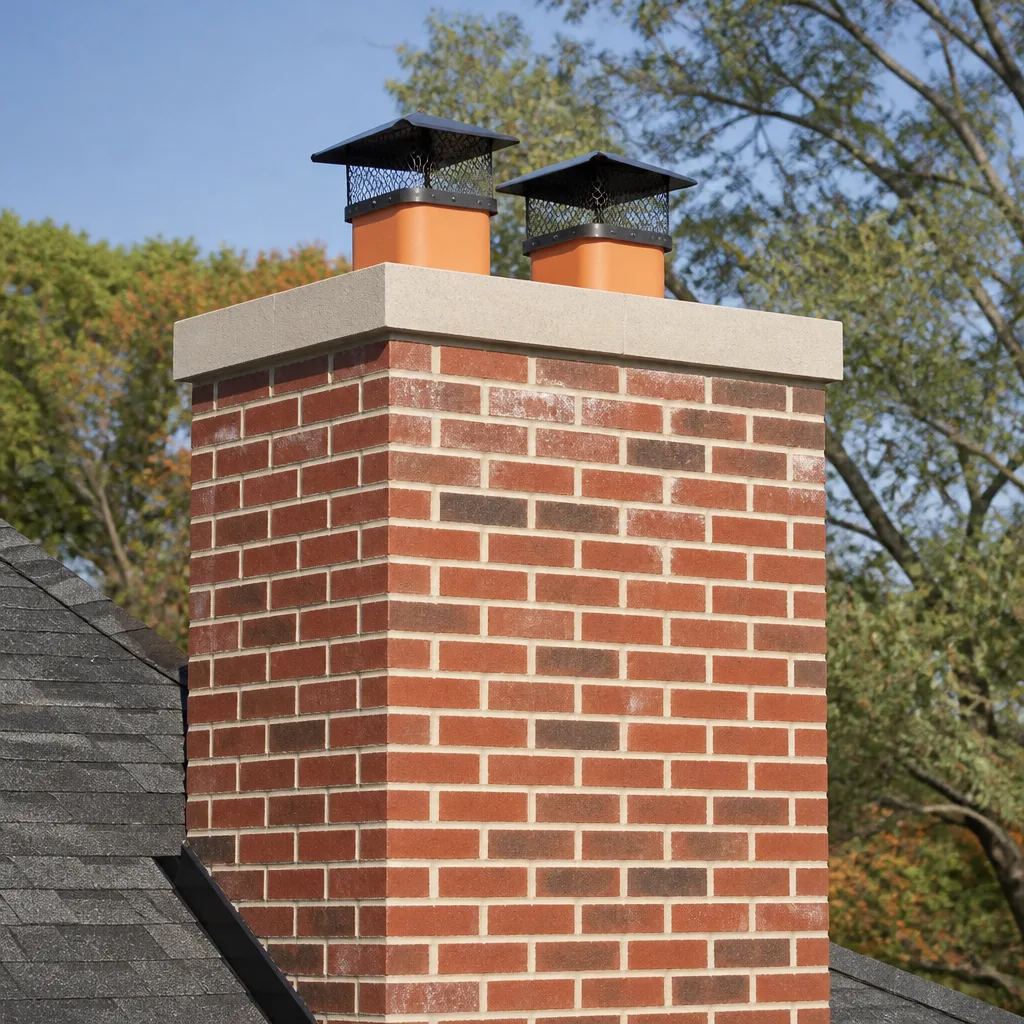 Caps & crowns
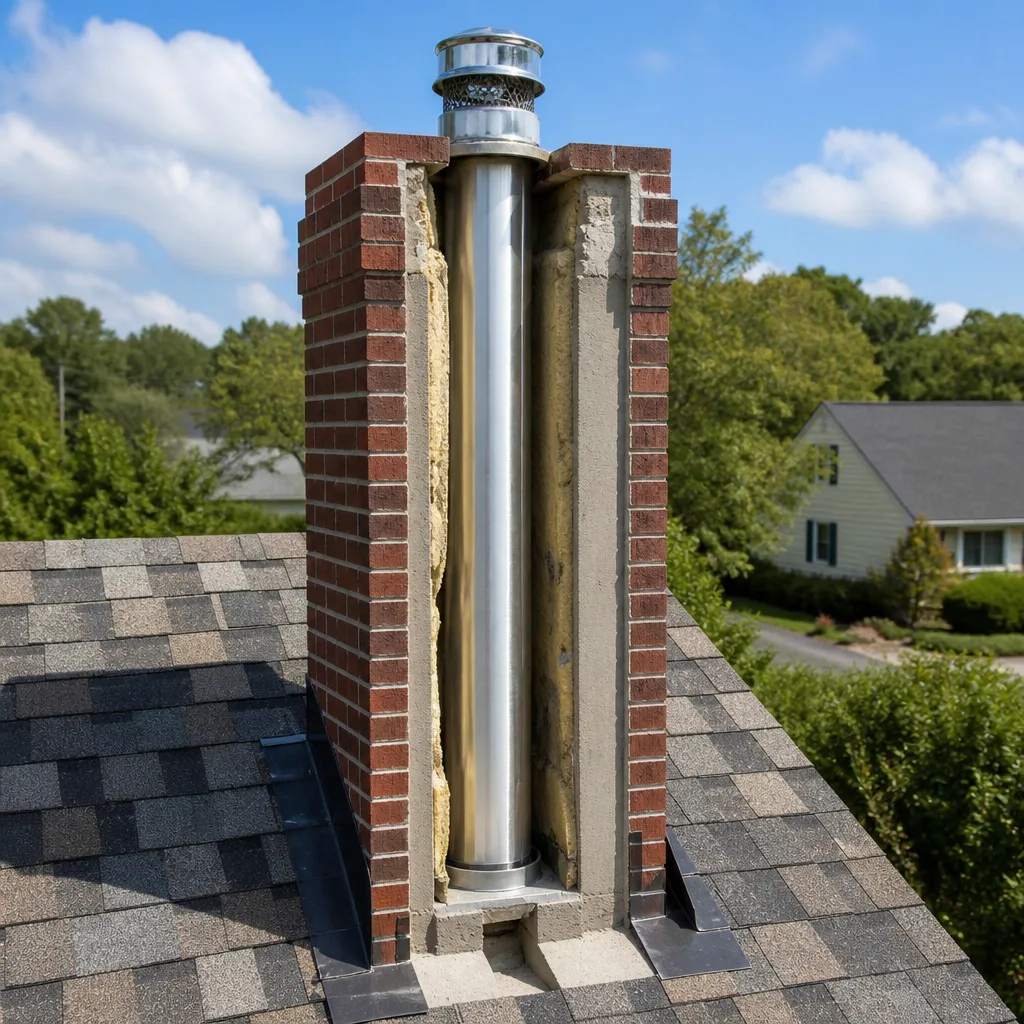 Flue relining
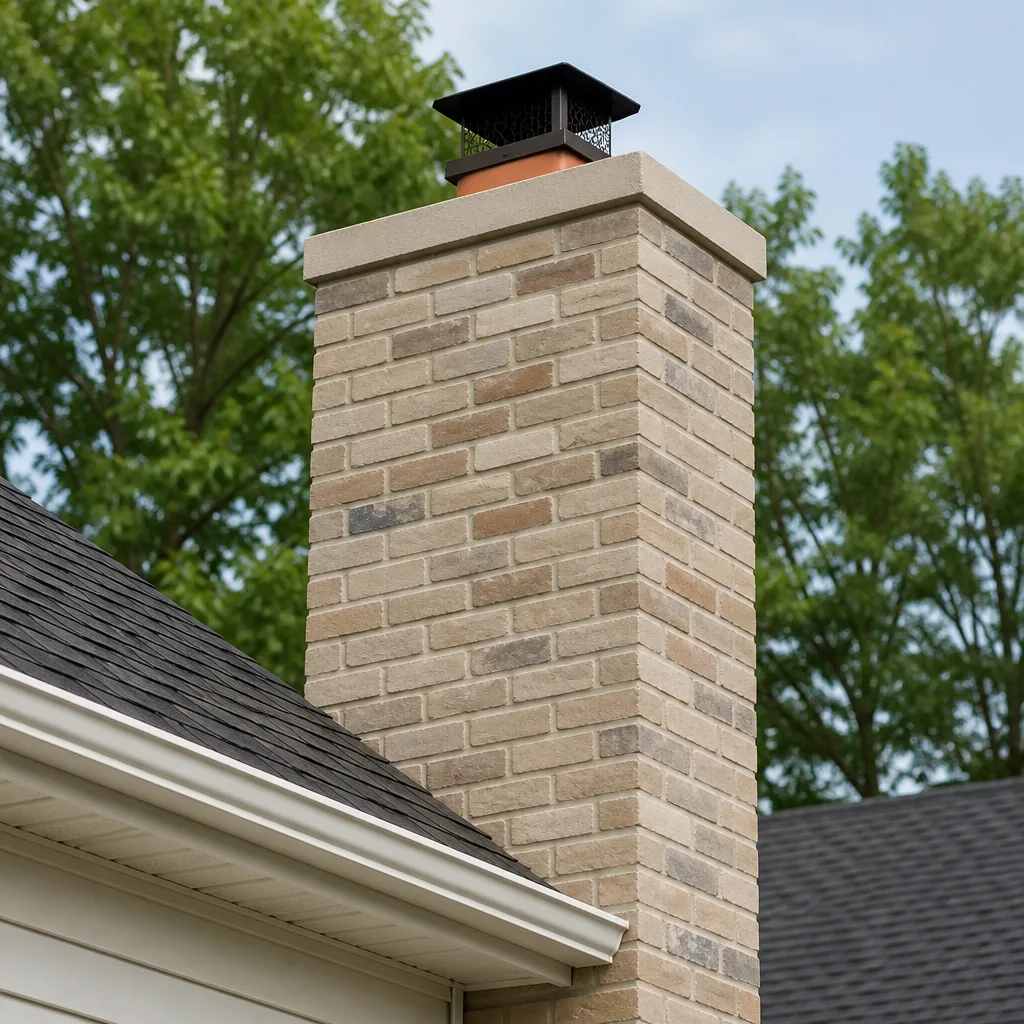 Masonry repair
 Gas fireplace service
Level 1 sweep and inspection to the NFPA 211 annual standard - flue, crown, cap, and flashing checked and photographed
Chimney sweep logs do not sweep chimneys. They loosen some creosote - which then falls where a brush and vacuum still have to collect it.
Chimney Cleaning Permits, Codes & Inspections in CA: What You Need to Know
A chimney liner replacement done without a permit can void your homeowner’s insurance coverage for a fire-related claim, and the contractor who told you permits weren’t necessary for “maintenance work” may not have been correct. California draws a sharp line between cleaning, which is exempt, and repair or alteration, which often is not. This guide explains exactly where that line sits, what the California Building Code and San Francisco’s local amendments require, and why the permit status of your chimney matters more in a home sale than almost any other fireplace feature. Chimney Sweep Alamo Square has walked homeowners through this process for years, and we’ve learned that the regulatory gray zone causes more confusion than any other chimney topic.
Quick Answer
Routine chimney sweeping and inspection do not require a permit anywhere in California. However, structural repairs, liner replacement or installation, masonry rebuilding, and changes to the chimney’s footprint or height generally require a permit under the California Building Code, and San Francisco’s local amendments can extend that requirement to older unreinforced masonry chimneys even when state code might be silent. When in doubt, check with the San Francisco Department of Building Inspection before work begins, or consult our Chimney Sweep Maintenance Checklist for Alamo Square Homeowners.
Styles & brands we work with
- Sweep & inspection
- Caps & crowns
- Flue relining
- Masonry repair
- Gas fireplace service
Table of Contents
- The Legal Difference Between Cleaning, Repair, and Alteration
- California Building Code Sections That Govern Chimney Work
- How San Francisco’s Local Amendments Change the Rules
- What Actually Triggers a Permit: A Step-by-Step Test
- NFPA 211 and How It Interacts With California Enforcement
- Permit Status and the Home Sale Inspection: What Buyers’ Agents Flag
- Insurance Coverage and Unpermitted Chimney Work
- Common Mistakes to Avoid
- When to Call a Professional
- Frequently Asked Questions
The Legal Difference Between Cleaning, Repair, and Alteration
California regulatory language treats these three words as distinct categories, and the consequences of miscategorizing work can be significant. Cleaning means removing creosote, soot, debris, and obstructions from an existing flue. It does not change the structure, materials, or configuration of the chimney. No permit is required, and no inspection is triggered. This is the category that chimney sweeping in Alamo Square falls into, and it remains exempt across every jurisdiction in the state.
Repair means restoring a damaged component to its original condition. If a section of clay tile liner has cracked and you replace that section with a new clay tile of the same specification, that’s a repair. Here’s where it gets nuanced: some repairs do not require permits, but the California Building Code draws the threshold at the point where the repair involves structural components, fire-resistance-rated assemblies, or any modification to the flue’s clearances or dimensions. A cracked chimney crown that gets repointed with new mortar at the same height and profile generally stays on the exempt side. A crown that gets entirely recast, changing its shape or overhang, can cross into alteration territory.
Alteration is the broadest category, and it’s where most unpermitted chimney work hides. An alteration changes the chimney’s configuration, materials, size, height, or structural system. Installing a stainless steel liner inside an existing flue is an alteration, not a repair, because it changes the flue’s material and dimensions. Rebuilding the top 10 courses of brick because of spalling and freeze damage is an alteration if the finished profile differs at all. Converting a wood-burning fireplace to gas log operation can be an alteration if it involves a new venting configuration.
In our experience, homeowners rarely get this wrong on purpose. They get told by someone in a hurry that “it’s just chimney work” and assume the contractor knows the categories. The problem surfaces later, during a sale or an insurance claim, when no permit record exists for work that clearly crossed the line – something our Chimney Sweep Troubleshooting: Common Problems and How to Fix Them guide can help you avoid.
California Building Code Sections That Govern Chimney Work
The California Building Code (CBC), which is based on the International Building Code with California-specific amendments, addresses chimneys and fireplaces in Chapter 10 (Means of Egress is Chapter 10 too, but chimney provisions live in Section 1003 for existing buildings and in the fire-resistant construction provisions). The sections that matter most for homeowners are scattered, and that fragmentation is part of why so much chimney work slips through without permits.
Section R1001 of the California Residential Code covers masonry chimneys, including the requirement that each flue be lined with an approved material. Section R1003 addresses the termination height, spark arrestor requirements, and clearances to combustibles. Section R1004 covers factory-built chimneys and fireplaces, and it includes the requirement that any field modification to a listed assembly be done in accordance with the manufacturer’s instructions and with the listing agency’s approval.
When a liner replacement changes the flue diameter, Section R1003.12 requires the system to be re-evaluated for draft and clearance compliance. This is why a “drop-in liner” is rarely the simple swap it appears to be. A liner that reduces the flue diameter can change draft characteristics enough that the original appliance’s listing no longer applies. That’s an alteration, and it requires engineered evaluation, not just a permit.
The California Mechanical Code applies to appliance venting, which includes dryer vents and gas appliance chimneys. Section 801 addresses venting requirements for fuel-burning appliances, and it sets specific requirements for clearances, termination height, and connector materials. A dryer vent cleaning in Alamo Square is exempt from permits, but any reconfiguration of the dryer vent run, including adding elbows or changing termination location, requires mechanical permitting under the California Mechanical Code.
The permit trigger in state code is Section 105.1 of the CBC: “Any owner or authorized agent who intends to construct, enlarge, alter, repair, move, demolish, or change the occupancy of a building or structure shall first make application to the building official.” The word “alter” is doing the heavy lifting here. Section 105.2 then provides the exemptions, and chimney cleaning and minor repair fall under the general exemption for ordinary repairs that do not affect structural stability, fire-resistance, or life safety.
How San Francisco’s Local Amendments Change the Rules
San Francisco is one of the few California jurisdictions that has amended the CBC to add stricter requirements for existing chimneys, and those amendments catch homeowners who assume state minimums apply. The San Francisco Building Code includes provisions specific to unreinforced masonry chimneys (URMs), which are common in older Alamo Square housing stock. Many homes in Alamo Square, the Panhandle, and the Western Addition date to the late 19th and early 20th centuries, and their chimneys were built without steel reinforcement or modern seismic detailing.
Under San Francisco’s local amendments, any structural repair to an unreinforced masonry chimney that exceeds 10% of the chimney’s above-roof surface area requires a full seismic evaluation, not just a repair permit. This is a significant threshold. Repointing a few brick joints stays under the line. Rebuilding the entire above-roof section, which is common after years of wind and rain exposure on the city’s west side, triggers the evaluation, and sometimes that evaluation requires strengthening the chimney to current seismic standards before a permit will be issued.
San Francisco also amended the CBC to require a Level 2 inspection when a property transfers title if the inspector observes any deterioration, spalling, or efflorescence on a chimney during a standard home inspection. The city’s point-of-sale inspection program, administered through the Department of Building Inspection, includes a specific chimney checklist item that most other California jurisdictions do not include in their residential resale requirements. Buyers’ agents in San Francisco have become adept at flagging this, and it’s become one of the most common negotiation points in Alamo Square transactions.
The local amendment also includes a provision that any chimney serving a rental unit must be inspected and swept at least once every 24 months, with a written record retained by the owner. This exceeds the state requirement, which contains no periodic inspection mandate for residential rental chimneys. Landlords in Alamo Square who own multi-unit buildings, many of which have original masonry chimneys, face a compliance obligation that most are unaware of.
What Actually Triggers a Permit: A Step-by-Step Test
Rather than trying to memorize every code section, homeowners can work through a simple decision tree that captures where the permit threshold sits in practice. This is the same test we use when evaluating a chimney in Alamo Square before recommending any work.
- Does the work remove or replace any structural component? If yes, treat it as a permit-required alteration until you confirm otherwise. Structural components include the chimney crown, the above-roof masonry section, the firebox, the smoke chamber, and any part of the chimney that transfers load to the building frame.
- Does the work change the flue’s material, diameter, or configuration? If yes, permit required. This includes installing any liner system, whether stainless steel or a resurfacing product like HeatShield, where the application changes the effective flue dimensions. We’ve had to deliver this news to homeowners who assumed a liner was a maintenance item.
- Does the work alter the chimney’s height, footprint, or termination? If yes, permit required. Raising a chimney to resolve a draft issue, adding chase cover on a prefab chimney, or changing the termination cap type all cross the line.
- Does the work involve the firebox or smoke chamber beyond surface parging? If yes, permit likely required. Smoke chamber resurfacing with HeatShield is a repair if the chamber’s shape and dimensions remain unchanged, but it’s an alteration if any dimension changes. This is a fine distinction that most contractors never explain.
- Is the work limited to the removal of creosote, soot, debris, or obstructions from an existing flue? If yes, no permit required. This includes standard chimney sweeping, Level 1 inspections, and minor crown resealing that does not change the crown’s profile.
- Is the work on a dryer vent or other appliance vent, and does it change the vent run length, diameter, termination, or number of elbows? If yes, mechanical permit required. Reconfiguring a dryer vent in Alamo Square to shorten the run or eliminate a fire hazard is a good idea, but it’s not exempt work.
If you’re still unsure, the San Francisco Department of Building Inspection maintains a permit desk that answers questions without requiring you to have pulled a permit first. A five-minute phone call can prevent a five-figure problem later.
NFPA 211 and How It Interacts With California Enforcement
NFPA 211 is the National Fire Protection Association’s Standard for Chimneys, Fireplaces, Vents, and Solid Fuel-Burning Appliances. It’s not a law, but California has incorporated parts of it by reference into the CBC and the California Fire Code, which gives it the force of law in specific circumstances. The interaction between NFPA 211 and California code is one of the least understood aspects of chimney regulation, and it’s also where contractors can mislead homeowners by citing the standard selectively.
NFPA 211 establishes the three-level inspection protocol that chimney professionals reference. A Level 1 inspection covers the readily accessible portions of the chimney and is performed during routine sweeping. It’s appropriate when the system has not changed and there’s no evidence of damage. A Level 2 inspection is required when the property transfers ownership, when the system changes, or when an event like a chimney fire, earthquake, or severe weather may have damaged the system. It includes inspection of accessible attics, crawl spaces, and basements, and it may include video scanning of the flue interior. A Level 3 inspection is the most invasive and is required when a Level 1 or Level 2 inspection suggests hidden damage that requires access through building components.
California code enforcement picks up NFPA 211 at the point where an inspection is triggered. When a home in Alamo Square goes under contract, many home inspectors now cite NFPA 211 to justify recommending a Level 2 chimney inspection even if they observe no visible damage. That recommendation, once documented, becomes a disclosure item, and lenders and insurers sometimes pick it up. The practical effect is that many San Francisco home sales now involve a Level 2 chimney inspection even though neither California nor San Francisco requires it by statute.
The standard also sets the threshold for what constitutes a “clean” chimney. NFPA 211 defines the point at which creosote accumulation requires removal, and most professional sweeps use that threshold as the go/no-go line. A flue with 1/8 inch of creosote should be swept; a flue with 1/4 inch of glazed creosote requires mechanical removal and possibly chemical treatment. This is why a “clean” chimney is not a binary condition, and why two sweeps can look at the same flue and give different recommendations.
Permit Status and the Home Sale Inspection: What Buyers’ Agents Flag
San Francisco real estate transactions are unusual nationally in the depth of disclosure required, and chimney permit status has become one of the items buyers’ agents routinely flag. The California Association of Realtors’ standard disclosure forms now include a specific question about whether any work requiring a permit was performed without one, and that question catches chimney work more often than almost any other category.
The typical sequence in an Alamo Square sale goes like this: the buyer’s home inspector notes a chimney liner, a rebuilt crown, or a resurfaced firebox and asks for documentation. If no permit record exists in the San Francisco Department of Building Inspection database, the inspector flags it as an unpermitted alteration. The buyer’s agent then requests either a retroactive permit, which requires opening the walls or exposing the work to inspection, or a price concession to cover the cost of bringing the work into compliance.
Retroactive permits are expensive and invasive. The building official cannot verify work that’s hidden behind brick and mortar without destructive inspection, and many sellers discover that the “simple liner swap” they paid for has now become a negotiation point worth $5,000 to $15,000. In some cases, sellers have had to remove and redo fully functional chimney work because the original contractor never pulled a permit and no engineer would sign off on the hidden conditions.
What buyers’ agents now flag routinely includes: any evidence of a liner installation without a permit record; any rebuilt masonry above the roofline that doesn’t match the surrounding chimney; any capping or sealing of a fireplace that suggests the flue was abandoned without proper documentation; and any HeatShield or similar resurfacing work that altered the flue’s effective diameter. The trend is toward scrutiny of anything that isn’t a standard sweep-and-clean.
We’ve also seen transactions stall over missing dryer vent records. A chimney repair in Alamo Square that’s properly permitted can actually become a selling point, and savvy listing agents now market permitted chimney work as a feature. The opposite is also true: unpermitted work, even if well done, becomes a liability that the seller usually absorbs.
Insurance Coverage and Unpermitted Chimney Work
The insurance angle is where the regulatory gray zone becomes financially concrete. California homeowners insurance policies typically contain an exclusion for damage caused by unpermitted work, and that exclusion is not limited to the work itself. If a chimney fire starts in a flue that was relined without a permit, and the insurer can establish that the unpermitted liner contributed to the loss, the claim can be denied in its entirety, including the structure damage beyond the chimney.
Insurers in California have become more aggressive about this in the last decade. After major wildfire seasons, insurers looked for ways to manage risk exposure, and unpermitted work became an easy target. The typical scenario is not a catastrophic chimney fire but a smaller claim: a water leak around a rebuilt chimney crown, a cracked flue tile that allowed heat transfer, a dryer vent fire that traced back to an unpermitted reconfiguration. The insurer’s adjuster requests the permit history for the address, and when the record is missing, the claim process shifts from coverage question to denial.
What many homeowners don’t realize is that retroactive permits fix the compliance issue but not necessarily the insurance issue. An insurer that discovers unpermitted work during a claim may deny the claim even if the homeowner has since obtained a retroactive permit, because the policy language often excludes losses that arose from work performed without a permit, regardless of subsequent compliance. The safer path is to verify permit status before the work begins and to keep the permit record with the home’s documents.
One more piece of insurance context: some California insurers now ask about chimney condition and last inspection date on new policy applications, and they may require a Level 2 inspection for older homes with masonry chimneys. This is becoming more common in San Francisco specifically because the combination of older housing stock, masonry chimney construction, and seismic risk creates a loss profile that insurers are now underwriting more carefully.
Common Mistakes to Avoid
- Trusting a contractor’s verbal assurance that “no permit is needed” without checking. Many contractors genuinely believe chimney work is exempt, but the code language is more specific than they remember. You bear the risk, not them. Verify with the San Francisco Department of Building Inspection yourself.
- Treating a liner installation as maintenance. This is the single most common misclassification in Alamo Square chimney work. Installing a DuraFlex liner changes the flue’s material and dimensions, and it requires a permit. Calling it maintenance does not change the code requirement.
- Skipping the Level 2 inspection when buying a home. A standard home inspection does not examine the flue interior, smoke chamber, or hidden connector spaces. In a city with as much old masonry as San Francisco, skipping the Level 2 is a gamble with a low buy-in and a high payout risk.
- Allowing a handyman to rebuild a chimney crown without a permit. Crown rebuilding changes the above-roof profile, and in San Francisco’s URM-heavy housing stock, it can trigger the seismic evaluation threshold. Handymen often do not know this.
- Ignoring dryer vent compliance in a sale. Dryer vent work is mechanical, not chimney, but it’s caught in the same disclosure net. Unpermitted dryer vent reconfiguration can stall a sale just like unpermitted chimney work, and most homeowners never think about it.
- Assuming a retroactive permit is always possible. San Francisco requires exposed verification for work that cannot be inspected visually. That may mean opening walls or removing chimney sections. Sometimes the retroactive permit is more expensive than the original work.
When to Call a Professional
Call a professional before the work begins if you’re considering any liner installation, chimney rebuild, firebox repair, smoke chamber work, or dryer vent reconfiguration. The permit question should be settled first, not after. Call after a chimney fire, an earthquake, or a severe wind event, even if the chimney looks fine from the ground. A Level 2 inspection is the only way to verify the flue’s interior. Call if you’re selling a home and the buyer’s inspector has flagged anything related to the chimney, because the negotiation clock is running and you need accurate information fast. Chimney Sweep Alamo Square offers free estimates in Alamo Square, and we walk through the permit question before any work is scheduled. Call (833) 620-7061.
Frequently Asked Questions
No. Routine chimney sweeping, creosote removal, and Level 1 inspections are exempt from permit requirements throughout California, including San Francisco. The exemption applies to cleaning that does not alter the chimney’s structure, materials, or configuration. If the cleaning reveals damage that requires repair, the repair may require a permit depending on what it involves.
A standard chimney sweep in Alamo Square typically ranges from $180 to $350, depending on the flue’s condition, the amount of creosote accumulation, and whether a Level 2 inspection with video scanning is included. Glazed creosote removal, which requires mechanical tools and sometimes chemical treatment, can push the cost higher. Call (833) 620-7061 for an exact quote for your chimney, because flue length, liner type, and accessibility all affect the price.
Yes, in almost every case. A liner installation changes the flue’s material and effective diameter, which makes it an alteration under the California Building Code, not a repair or maintenance item. Installing a DuraFlex liner, for example, is a permit-required alteration even if it’s being installed to restore function to a deteriorated flue. The permit’s purpose is not bureaucratic delay; it ensures the finished system meets current clearance, draft, and fire-resistance standards.
NFPA 211 recommends sweeping when creosote accumulation reaches 1/8 inch, which for most regular wood-burning households works out to once per year. Gas fireplaces generate less creosote but still accumulate dust, debris, and sometimes animal nests, so an annual inspection is wise even if sweeping can be less frequent. San Francisco’s local amendments require rental property chimneys to be inspected and swept at least once every 24 months with written documentation retained by the owner.
You could face several consequences. A home sale can stall or collapse over unflagged unpermitted work, and buyers’ agents in San Francisco now routinely request permit records for any chimney work visible during inspection. An insurance claim for fire or water damage traced to unpermitted work can be denied under the policy’s unpermitted-work exclusion. And a retroactive permit from the Department of Building Inspection may require destructive inspection to verify hidden conditions. The original contractor’s verbal assurance that no permit was needed does not transfer that liability to the contractor.
A Level 1 inspection covers the readily accessible portions of the chimney and is performed during routine sweeping. It’s a visual check of the firebox, damper, cap, and exterior with no tools beyond a flashlight and mirror. A Level 2 inspection adds video scanning of the flue interior and examination of accessible attics, crawl spaces, and basements, and it’s required by NFPA 211 when a property transfers ownership or when an event like a chimney fire or earthquake may have damaged the system. A Level 2 is also the inspection typically required before a chimney repair in Alamo Square can be scoped accurately. In our experience, most older San Francisco homes benefit from a Level 2 at least once, simply because original flues are decades old and have unknown histories.
The Bottom Line
California’s chimney permit rules are not as confusing as they first appear once you understand the cleaning/repair/alteration distinction. Cleaning is exempt. Repair is sometimes exempt, but the line is thin. Alteration almost always requires a permit, and liner installation, masonry rebuilding, and firebox work are alterations, not repairs. San Francisco adds its own wrinkles with stricter rules for unreinforced masonry chimneys and rental inspection mandates. The cost of getting permits right is low compared to the cost of getting them wrong, which can include denied insurance claims, collapsed home sales, and expensive retroactive compliance. When in doubt, verify before work begins, keep the paper trail, and use a professional who can explain the categories in plain terms.
Written by the team at Chimney Sweep Alamo Square, serving Alamo Square since 2011.
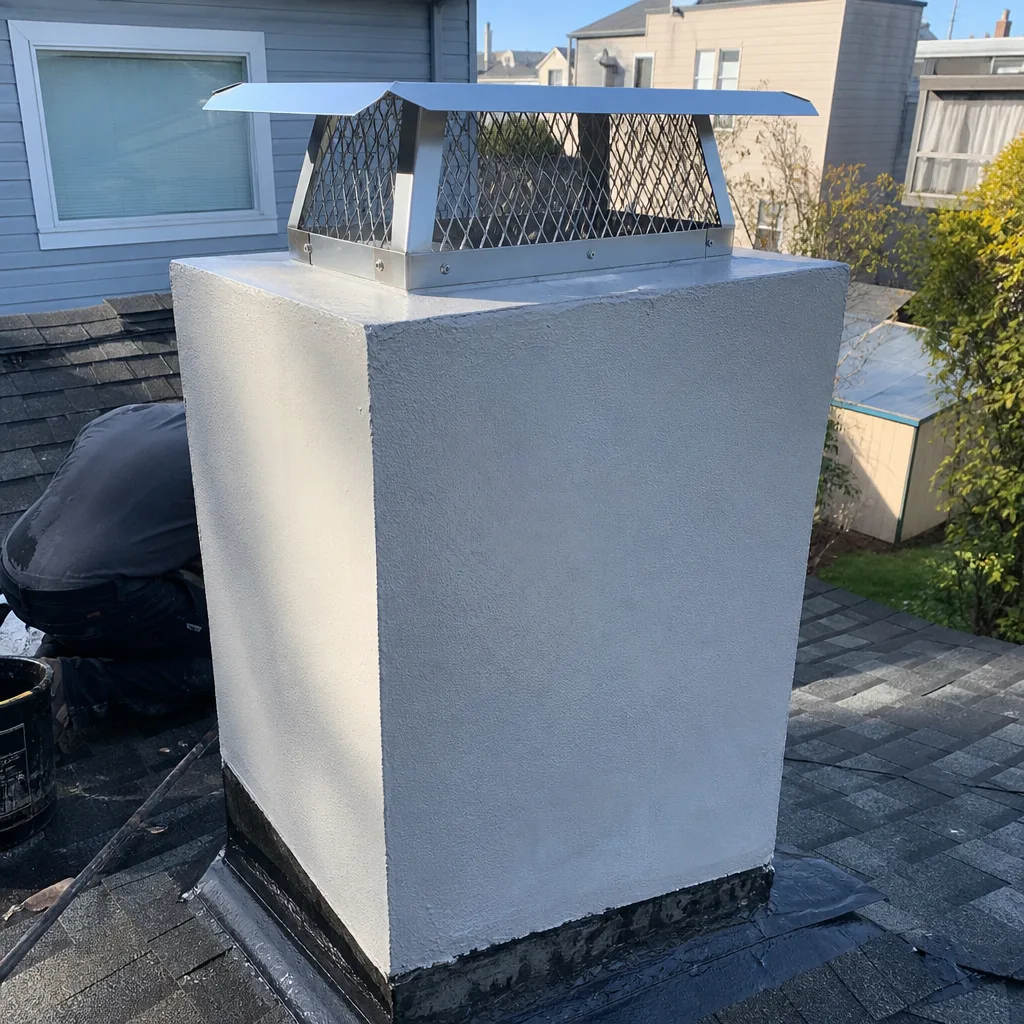
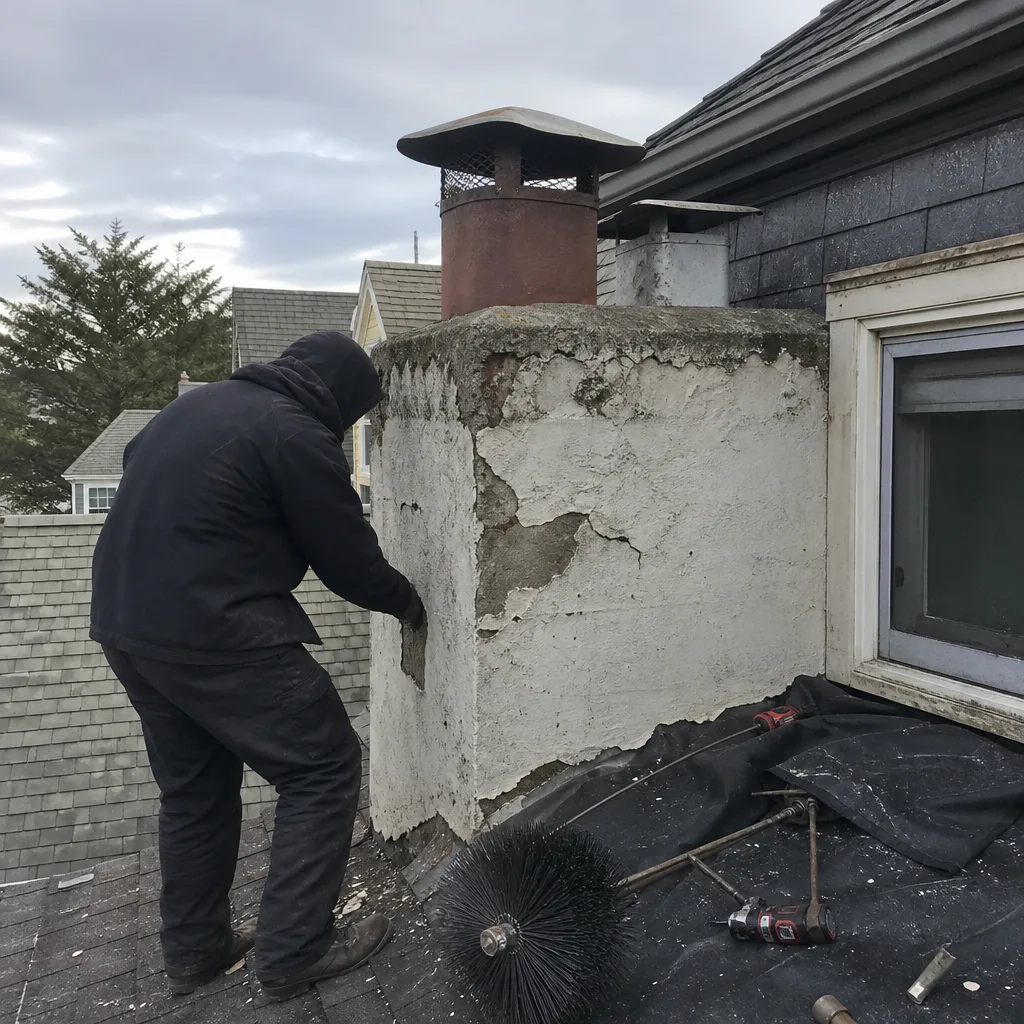
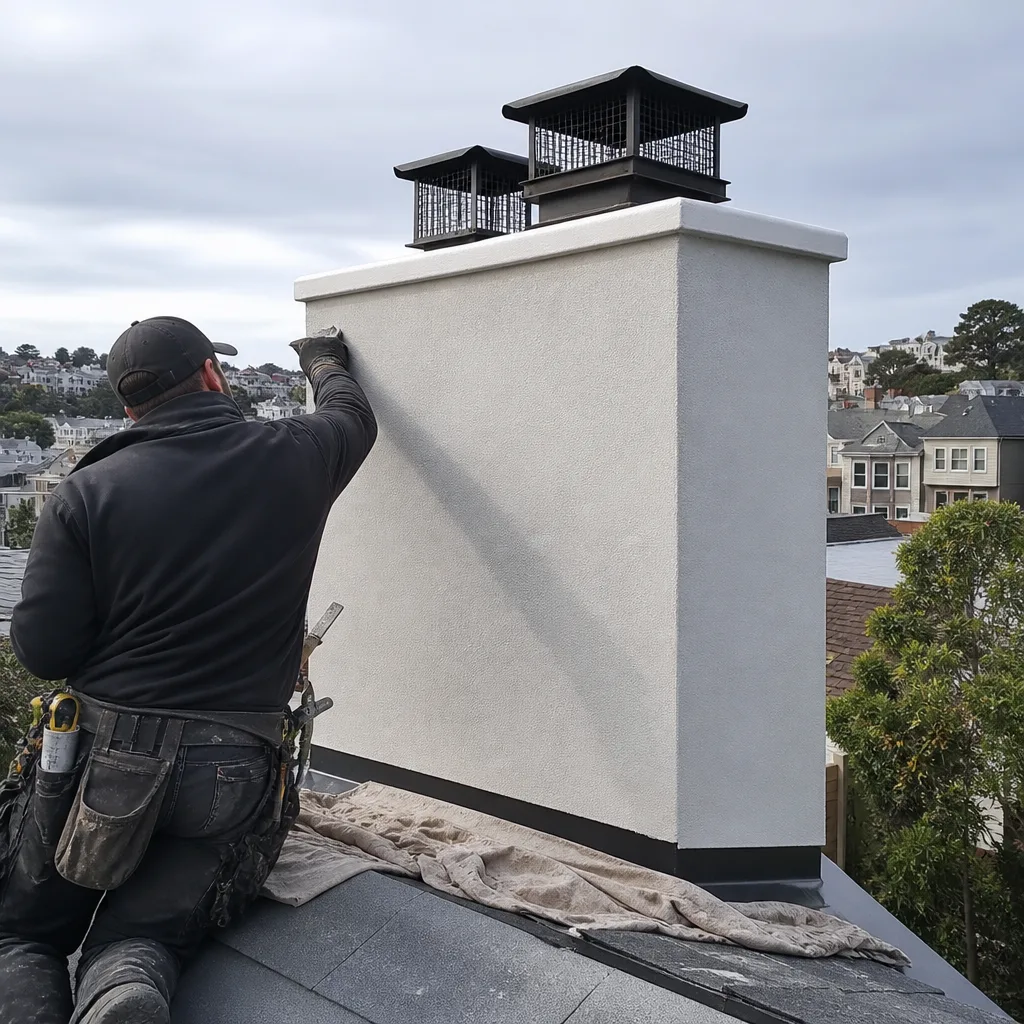
See the difference
 Before
 After
 Before
 After
 Before
 After