
Last updated November 2, 2026
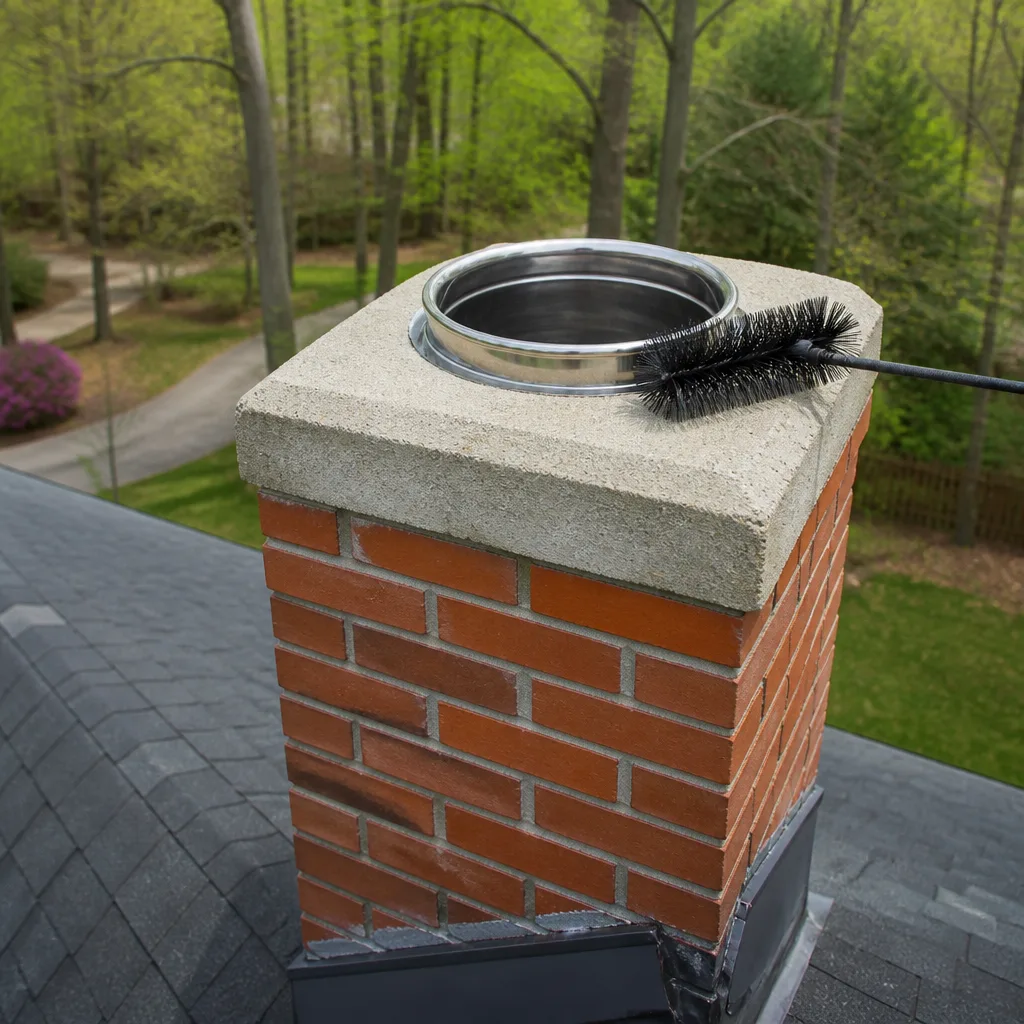 Sweep & inspection
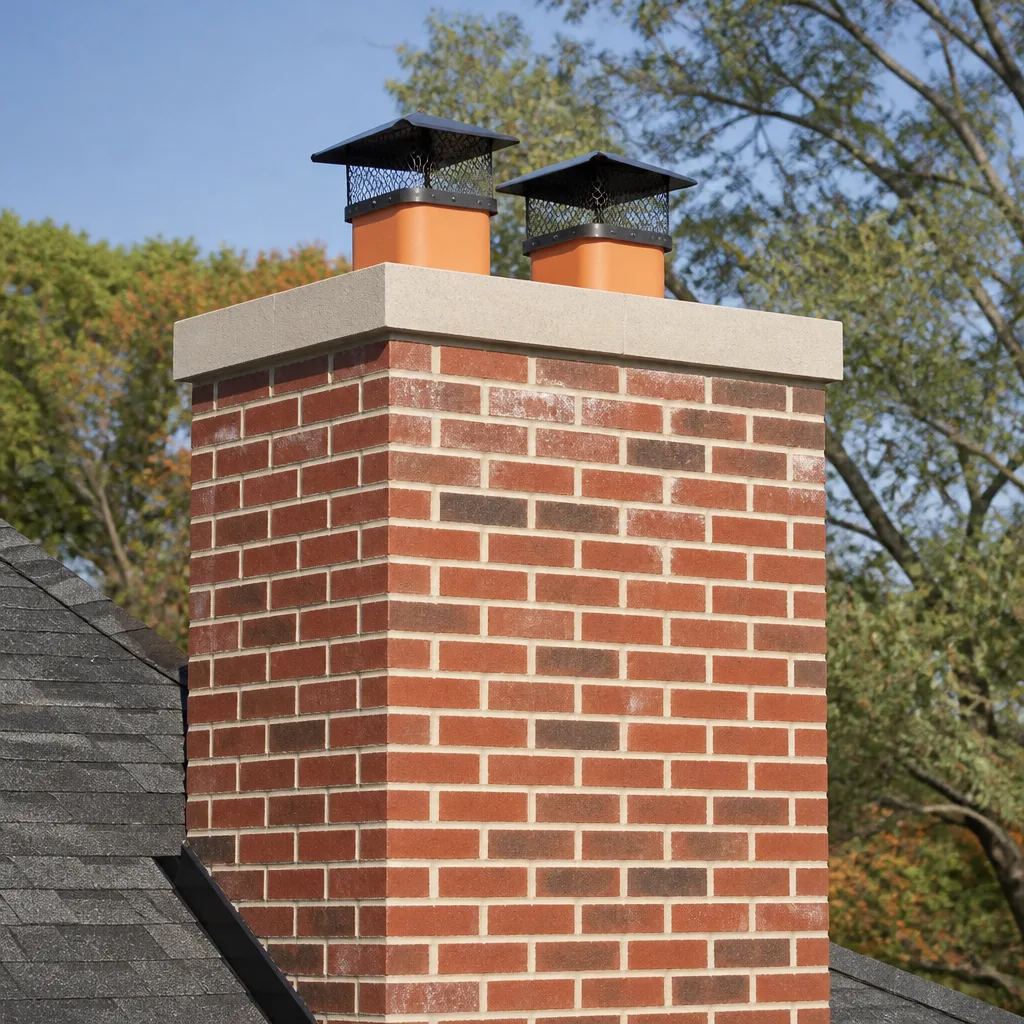 Caps & crowns
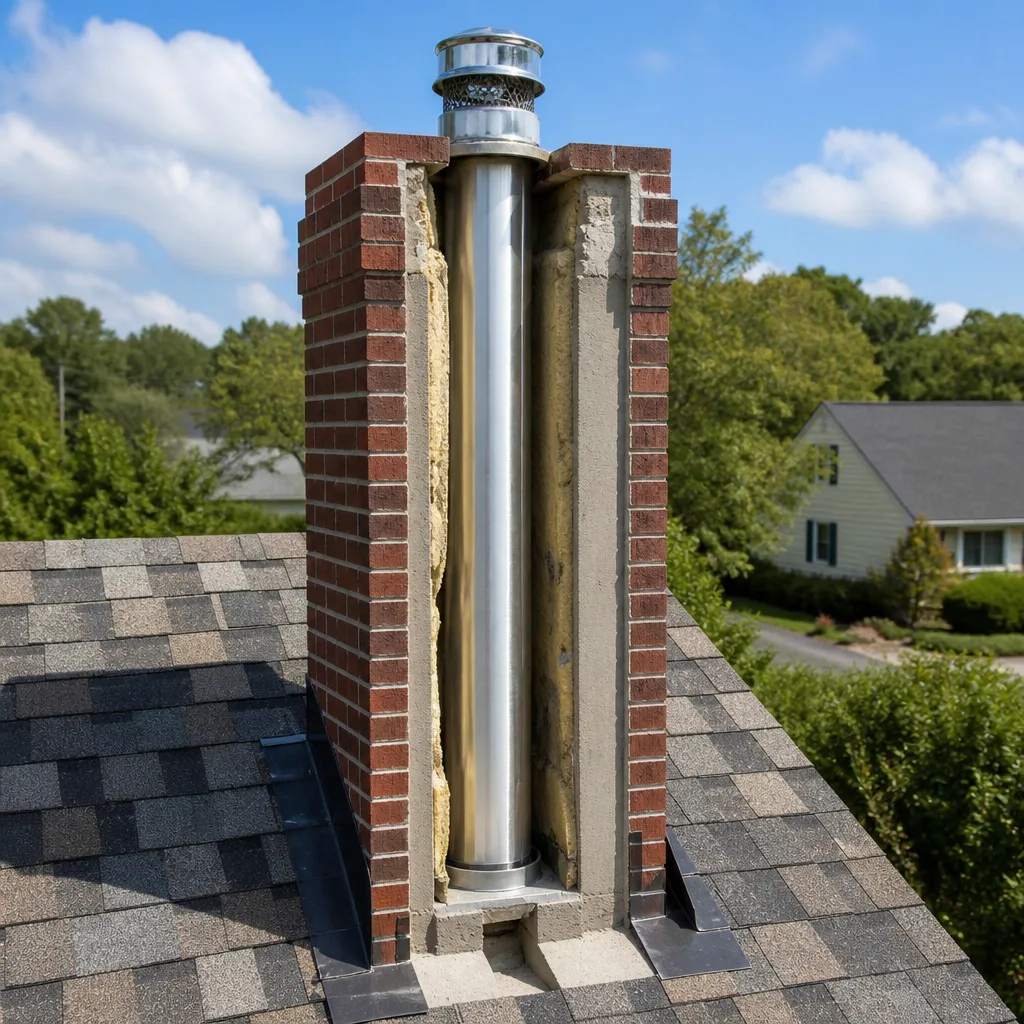 Flue relining
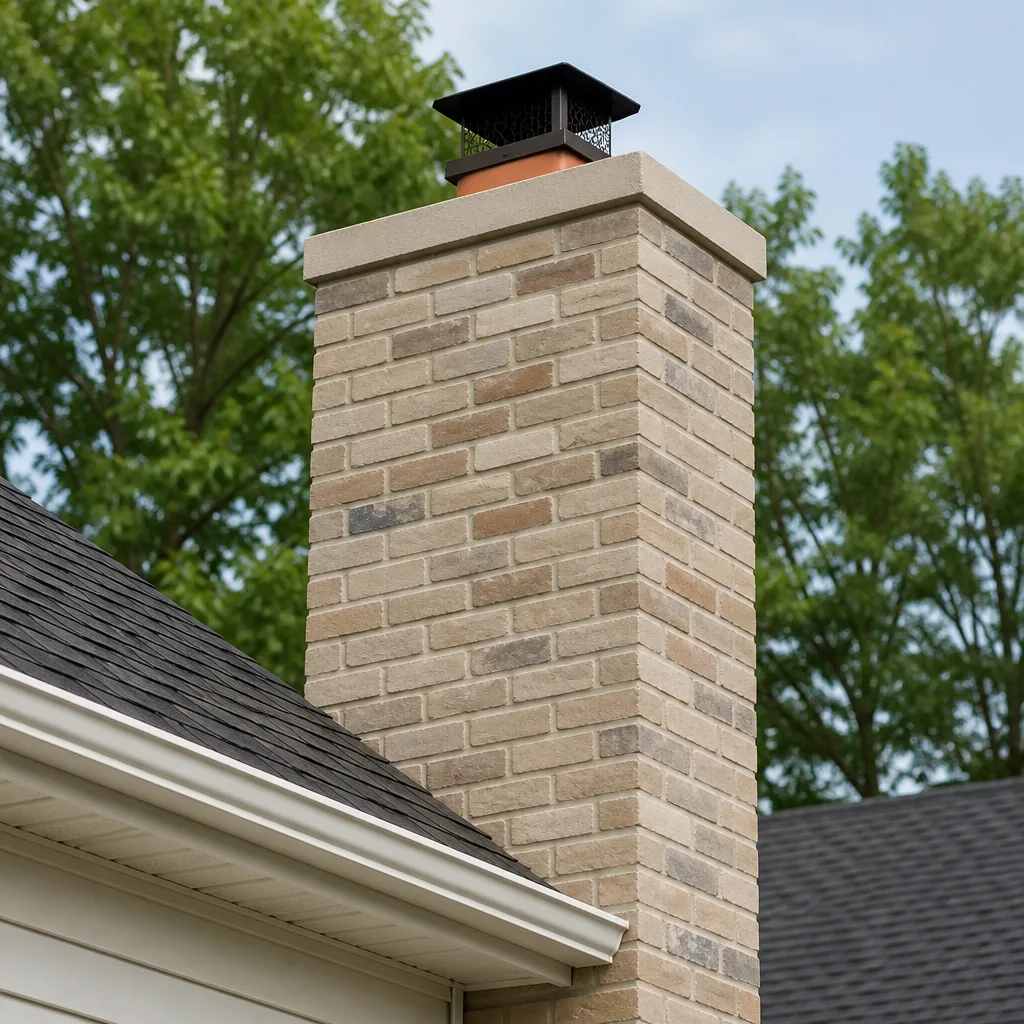 Masonry repair
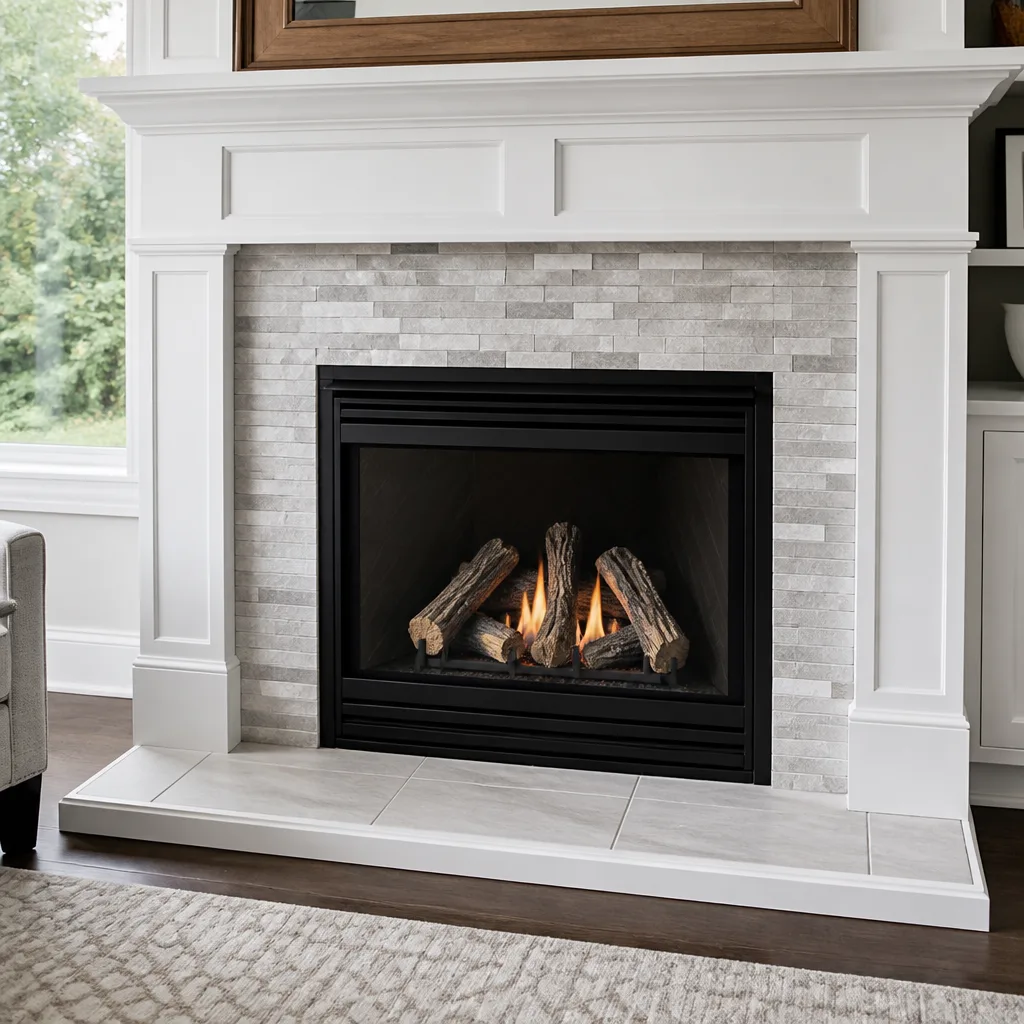 Gas fireplace service
Level 1 sweep and inspection to the NFPA 211 annual standard - flue, crown, cap, and flashing checked and photographed
Chimney sweep logs do not sweep chimneys. They loosen some creosote - which then falls where a brush and vacuum still have to collect it.
Chimney Sweep Troubleshooting: Common Problems and How to Fix Them
Smoke coming back into the room isn’t one problem. It’s at least six different problems that look identical from the living room, and misdiagnosing them leads to repeat service calls that don’t fix anything. In Alamo Square, where hundred-year-old Victorians sit next to fully weatherized remodels, we see the full spectrum: original masonry flues with missing clay tiles, prefab systems installed during 1980s flips, and everything between. This Complete Chimney Sweep Guide for Alamo Square Homeowners maps each symptom you can see, smell, or hear to its most likely mechanical cause, so you can describe what’s happening with enough precision that a technician arrives with the right tools on the first visit. You’ll learn what to observe safely from the ground, what requires professional equipment, and why some problems keep coming back no matter how many times the flue gets brushed.
Quick Answer
Most chimney problems fall into four mechanical categories: airflow failures (draft issues, negative pressure), obstruction (creosote, nests, fallen masonry), water intrusion (cracked crowns, missing caps, spalling brick), and structural degradation (liner cracks, mortar joint failure). The fix depends entirely on which category you’re in, and guessing wrong means paying twice. If you can describe your symptom precisely, a qualified Chimney Sweep can usually diagnose the cause over the phone and arrive prepared for the correct repair, not a generic cleaning.
Styles & brands we work with
- Sweep & inspection
- Caps & crowns
- Flue relining
- Masonry repair
- Gas fireplace service
Table of Contents
- Smoke Rollback: Six Causes That Look the Same
- Summer Odor: Why Your Fireplace Smells in August
- Slow-Starting Fires: The Draft Problem Nobody Explains
- Exterior Staining: What White Powder and Dark Streaks Actually Mean
- Animal Intrusion: Why Removal Alone Never Fixes It
- The Weatherization Factor: When Your House Is Too Tight
- What to Safely Observe Before Calling a Sweep
- How to Describe Symptoms So the First Visit Fixes It
Smoke Rollback: Six Causes That Look the Same
Smoke rollback, sometimes called spillage, is the most frustrating chimney symptom because it feels like one problem but has at least six distinct root causes. In our Chimney Sweep in Alamo Square service area, we’ve rolled up to homes where the homeowner had already paid two other companies to “fix” the issue, only to discover the actual cause had never been addressed. Here’s the matrix:
Symptom-to-Cause Map for Smoke Rollback
- Rollback only on startup, clears after 10-15 minutes: Cold flue. The column of air inside the chimney is heavier than the room air when cold, so it sinks instead of rises. Common in Alamo Square homes with exterior masonry chimneys that never warm up on foggy mornings.
- Rollback every time, regardless of fire size: Blockage. Creosote buildup, a bird nest, or fallen flue tile is physically restricting the passage. This is the one most people assume, and it’s only correct about 40% of the time.
- Rollback when kitchen or bath exhaust fans run: Negative pressure. The fans are pulling air out of the house faster than the fireplace can pull it in, reversing the draft.
- Rollback after you’ve opened a window or door nearby: Competing air supply. The fireplace is losing the pressure battle to a bigger opening.
- Rollback that started after a remodel or new windows: Weatherization. The house got tighter, and the chimney no longer gets enough makeup air.
- Rollback plus visible damage to the chimney exterior: Structural. Missing flue tiles, a breached wall, or a collapsed section changes the flue’s internal dimensions and disrupts the draft.
Here’s the thing: a sweep who shows up and just brushes the flue without checking the draft pressure first is guessing. We measure the draft before and after every sweep, because if the cause is negative pressure, a cleaning will do nothing, and you’ll be calling someone else next month to try again.
Summer Odor: Why Your Fireplace Smells in August
That campfire smell you notice on humid summer days isn’t in your head. It’s a pressure problem. Warm outdoor air rises, and when it passes over the top of your chimney, it creates a slight draw in the wrong direction: down into your home instead of up and out. The air hits the creosote deposits coating your flue walls, picks up their odor, and deposits it in your living room.
The smell is strongest on hot, humid days and in homes where the fireplace hasn’t been cleaned in a while. In Alamo Square’s fog-and-sun cycles, we see this complaint every summer.
What Actually Reduces Summer Odor
- Remove the creosote source. Sweeping the flue removes the smelly deposits. This is the single most effective step. You can’t deodorize what isn’t there.
- Inspect the damper seal. A warped or poorly seated damper leaks unconditioned air, and with it, odor. Sometimes the fix is as simple as adjusting the hinge or replacing a rusted throat damper.
- Check for a missing or damaged chimney cap. Without a cap, damp air enters freely, amplifying the odor problem. The right cap also keeps out rain, which turns creosote into an acidic paste that smells even worse.
- Consider a top-sealing damper. For chronically smelly fireplaces, a top-sealing damper closes off the flue at the crown, eliminating the summer draw entirely. We install these using Copperfield and Famco components, which are professional chimney supply lines, not retail hardware.
If the smell persists after a sweep and a cap check, the issue is likely moisture trapped in the masonry, and that’s a Chimney Repair in Alamo Square conversation, not a cleaning one.
Slow-Starting Fires: The Draft Problem Nobody Explains
You light the kindling, it catches, then the flames flare up and die back, or the fire needs constant attention for the first ten minutes. This is a cold-start draft failure, and it’s common in Alamo Square homes where exterior chimneys sit on the fog-shaded side of the house and never warm up.
Here’s the mechanics nobody explains: a chimney works because hot air rises. But before your fire generates enough heat, the flue is full of cold, dense air that falls instead of rising. You’re essentially trying to push smoke up a column of air that wants to come down.
Steps to a Reliable Cold-Start
- Prime the flue. Roll a sheet of newspaper into a torch, light it, and hold it up inside the firebox near the damper. This warms the first few feet of flue and reverses the pressure direction.
- Open the damper fully. Obvious, but you’d be surprised how many slow-start calls trace to a damper someone closed to keep out drafts and forgot to reopen.
- Build the fire correctly. Start small, use dry kindling, and let the flames establish before adding larger pieces. Wet or oversized first logs cool the firebox air and stall the draft.
- If priming fails consistently, check the flue height. A chimney that terminates too close to the roofline or sits in a wind-affected area may need a height extension or a draft-inducing cap. This is a measurement job, not a guess.
In our experience, about half of slow-start complaints are solved with priming technique alone. The other half involve physical flue issues: undersized flue tiles, excessive creosote narrowing the passage, or a chimney that never had the correct draft from day one.
Exterior Staining: What White Powder and Dark Streaks Actually Mean
Walk outside and look at your chimney. Really look. What you see tells a story:
- White, chalky powder on brick faces: Efflorescence. Water is moving through the masonry, dissolving salts, and depositing them on the surface as the water evaporates. It’s cosmetic, but it’s also a symptom. Water is getting in somewhere, and water plus freeze-thaw cycles equals spalling brick in Alamo Square’s winter season.
- Dark brown or black streaks running down from the crown: Acidic creosote runoff. Moisture mixes with creosote deposits, creating an acidic solution that etches and stains the exterior masonry. This is a sign of both incomplete combustion and inadequate crown protection.
- Staining around the roofline where the chimney passes through: Flashing failure. Water is entering at the penetration point and traveling down the interior or exterior face. Left unaddressed, this rots roof decking and framing.
- Green moss or algae on the chimney’s shaded side: Persistent moisture retention. Common on north-facing Alamo Square chimneys that rarely get direct sun. Moss traps water against the brick, accelerating freeze-thaw damage.
What to Do About Staining
Efflorescence can be brushed off, but it will return unless the water entry is fixed. Start with a crown inspection: cracked crowns with failed waterproofing are the number one entry point we find on older Alamo Square chimneys. Gelco chimney cap products provide purpose-built weatherproofing that addresses this at the source, and that’s what we install when we’re correcting a crown or cap problem. Dark streaks require both a sweep to remove the creosote and a crown or cap repair to stop the water that’s activating it.
The key distinction: staining is never just a cosmetic problem. It’s a moisture diagnostic written on the outside of your chimney. Ignore it long enough, and you’re looking at structural repair instead of weatherproofing.
Animal Intrusion: Why Removal Alone Never Fixes It
Scratching noises. Then silence. Then a smell. Or twigs falling into the firebox every time you open the damper. Raccoons, squirrels, and chimney swifts all find their way into uncapped chimneys, and in Alamo Square’s tree canopy, the pressure is constant.
Here’s the frustration we hear from homeowners constantly: they paid someone to remove the animal, and within months, a new one moved in. That’s because removal without access correction is just eviction, not prevention.
The Recurrence Cycle, Broken
- Remove the animal humanely. In most cases, this means exclusion during the season when young animals are not in the nest. Local regulations dictate timing, and no reputable company will separate a mother from dependent offspring.
- Sweep the flue thoroughly. Nests, droppings, and debris create odor, attract insects, and become a fire hazard. Everything comes out.
- Inspect the entire system for entry points. Sometimes the animal didn’t enter through the top. A missing mortar joint, a gaps around the chimney crown, or a damaged side cleanout door can be the real door.
- Install a professional chimney cap with animal screening. This is the step that stops recurrence. The right cap keeps animals out while maintaining proper draft, and it’s sized to the flue, not a generic one-size-fits-all from a hardware store.
We install Gelco and Famco caps and screens, both of which are built to flue specifications and designed to last. A critter-proof cap is one of the least expensive repairs we perform, and it permanently ends a cycle that otherwise repeats every year.
The Weatherization Factor: When Your House Is Too Tight
You replaced your windows. Insulated the attic. Sealed the crawl space. And now, suddenly, your fireplace smokes. What happened?
Modern weatherization creates tight houses, and tight houses don’t breathe enough to support combustion appliances. Every wood-burning fireplace needs a steady supply of replacement air, called makeup air or combustion air. When the house can’t provide it, the fireplace pulls from wherever it can, and in a worst-case scenario, it reverses the draft entirely, drawing exhaust gases back into the room.
This is a genuinely dangerous situation, and it’s one of the reasons we recommend professional draft testing rather than incremental guesswork. A smoke pencil or manometer will show exactly what’s happening, and the fix depends on what the test reveals:
- Intermittent negative pressure only when exhaust fans run: The fix may be as simple as opening a window slightly when burning, or interlocking the exhaust fans so they can’t run while the fireplace is active.
- Persistent negative pressure throughout the house: A dedicated combustion air vent or make-up air system may be required. This is a code-driven upgrade, and it’s worth understanding your local requirements before installing anything.
- Negative pressure only in the firebox area: Sometimes the firebox opening is too large for the flue, a sizing problem that requires a flue liner adjustment or a firebox modification.
The takeaway: if you’ve weatherized in the last five years and your fireplace just started smoking, tell your sweep. It’s the single most useful piece of information you can provide, and it changes the diagnosis from “blocked flue” to “pressure problem” before anyone even climbs a ladder.
What to Safely Observe Before Calling a Sweep
You don’t need to climb on your roof. In fact, please don’t. The most useful observations happen from the ground and from inside your home, and they’ll help any technician prepare correctly.
From the Ground
- Look at the cap. Can you see one? If not, that’s a core problem, and you’ll want that flagged before the appointment.
- Check the masonry. Spalling bricks (chips or flakes falling off), cracks running through mortar joints, or sections that look out of plumb are all structural clues.
- Note the chimney’s height relative to the roofline. A chimney that barely clears the ridge is more vulnerable to wind-driven draft problems.
- Look for staining patterns. The streaks described earlier tell you where water is entering.
From Inside
- Shine a flashlight up the flue from the firebox. You’re looking for shiny, black, tar-like creosote, or visible obstructions. You won’t see everything, but you’ll catch gross problems.
- Feel the damper operation. Does it open and close fully? Does it bind or feel loose? A damper that doesn’t seal is a diagnostic clue.
- Note when the problem occurs. Only on cold starts? When the dryer runs? When the furnace kicks on? Timing tells us a lot.
- Check your smoke and CO detectors. Not a chimney observation, but a safety baseline. Every combustion appliance home needs working detectors.
What requires professional equipment: draft and pressure measurements, flue camera inspection, creosote thickness evaluation, and any work on the chimney itself. These aren’t DIY tasks, and no amount of online research replaces a trained sweep with the right tools.
How to Describe Symptoms So the First Visit Fixes It
When you call for service, the person booking the appointment is trying to triage your problem over the phone. The more precisely you describe what’s happening, the more accurately they can prepare. Here’s what to say, in order:
- “The symptom is…” Start with the observable fact: “Smoke comes back into the room when I first light a fire, then clears after about ten minutes.” Not “my chimney is broken.”
- “It started…” When did this begin? “Shortly after we had new windows installed” or “It’s been happening for years but it’s worse now.”
- “It happens when…” The conditions matter. “Only when the kitchen exhaust fan is running” or “Every time, regardless of what else is on in the house.”
- “I’ve already tried…” What steps have you taken? “I had it swept last year but it didn’t help” or “I primed the flue with newspaper but it didn’t change anything.”
- “The exterior looks…” Share your ground-level observations: “The bricks have white powder on them” or “I don’t think there’s a cap up there.”
This level of specificity lets the technician arrive with the right equipment, whether that’s a camera for a liner inspection, a draft gauge for pressure testing, or a full set of cap-mounting hardware. It’s the difference between a one-visit resolution and a diagnostic visit followed by a second trip.
Common Mistakes to Avoid
- Assuming every smoke problem is creosote buildup. About 60% of smoke complaints we investigate in Alamo Square have a pressure or structural component. Brushing a flue that doesn’t need brushing solves nothing.
- Installing a generic hardware store cap as a fix. Caps need to match the flue tile size and type. A wrong-sized cap either restricts draft or leaves gaps that keep letting animals and water in.
- Weatherizing the house without accounting for the fireplace. New windows and insulation change your home’s pressure balance. If you’re planning major weatherization and you use a fireplace, plan for a draft assessment at the same time.
- Ignoring exterior staining because it’s “just cosmetic.” Staining is moisture data. It tells you water is entering your chimney, and water plus time equals structural repair costs that dwarf weatherproofing costs.
- Removing an animal without securing the entry point. You will repeat this process every year until a proper cap or repair closes the access.
- Waiting until burning season to diagnose a known problem. Alamo Square’s wet winters make chimney work slower and more complicated. If you know you have an issue in March, address it before the rains return.
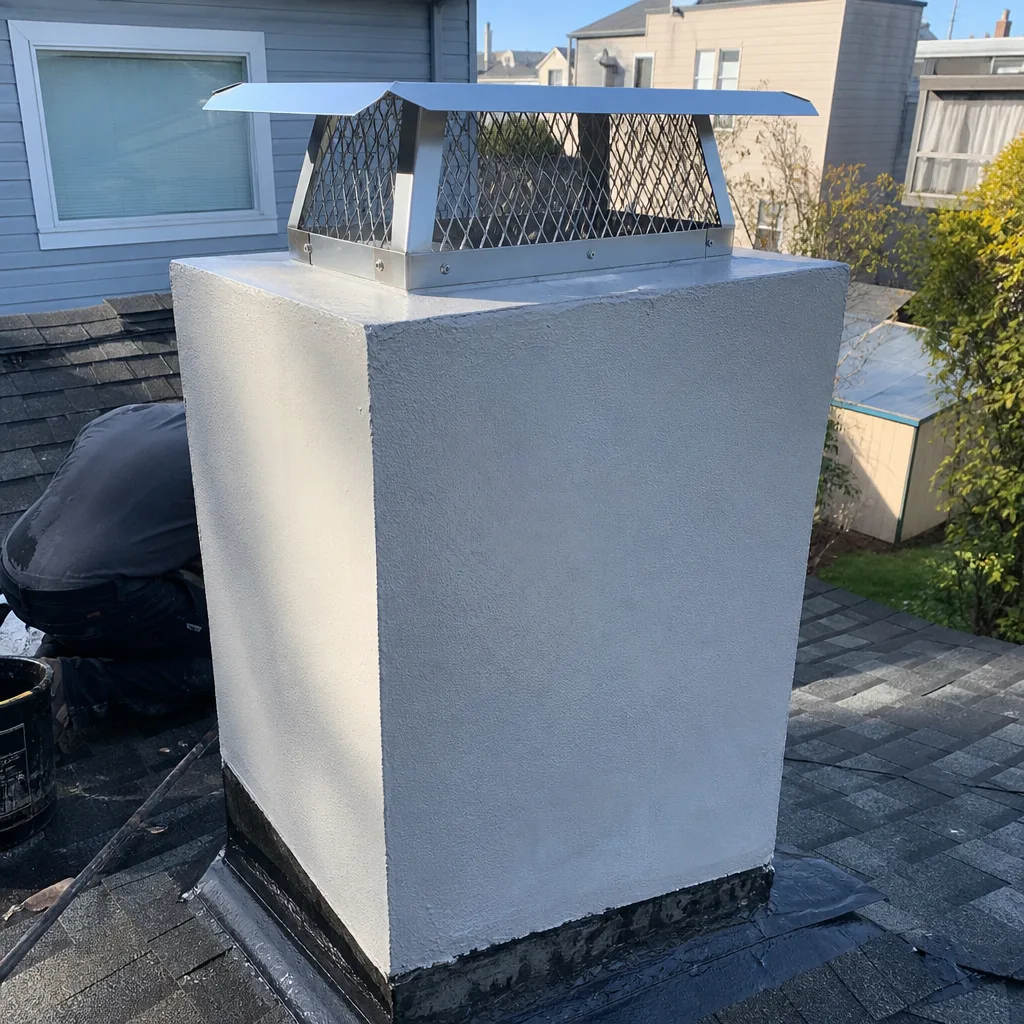
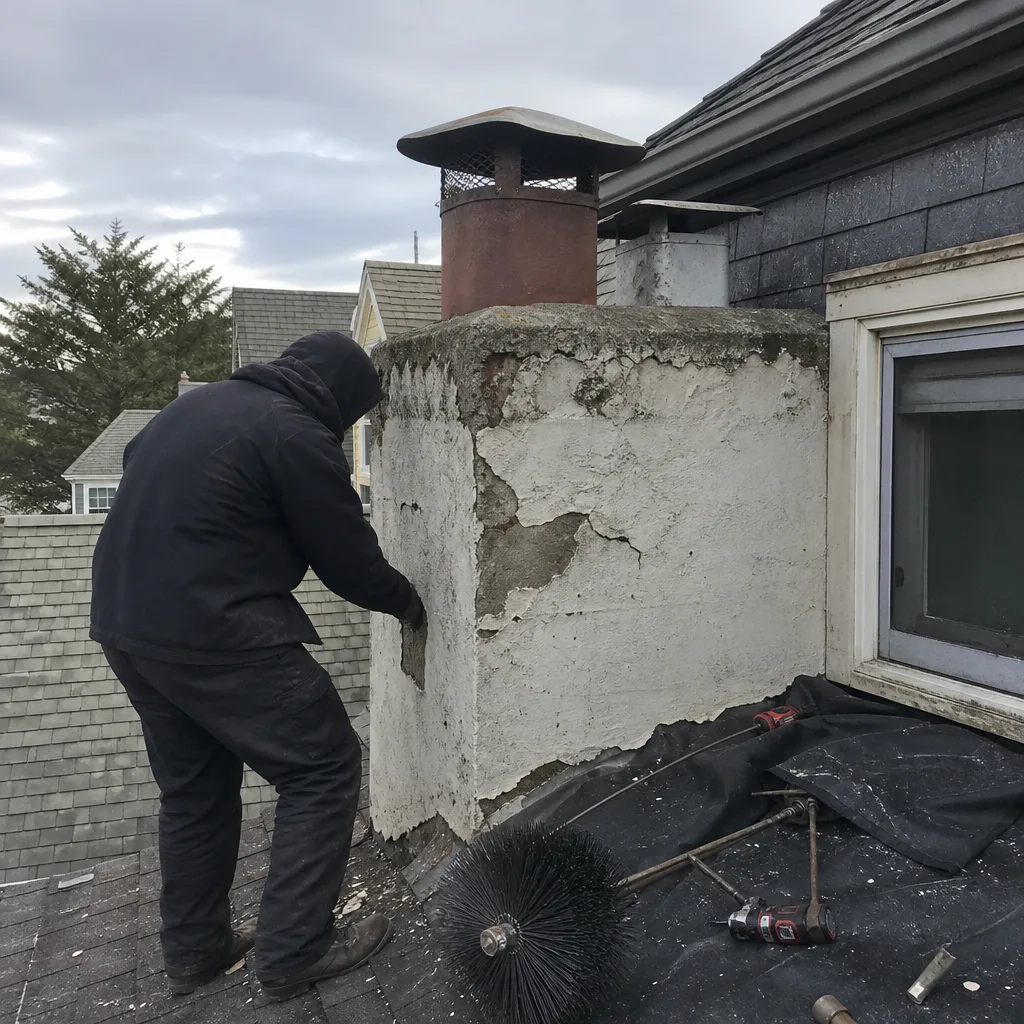
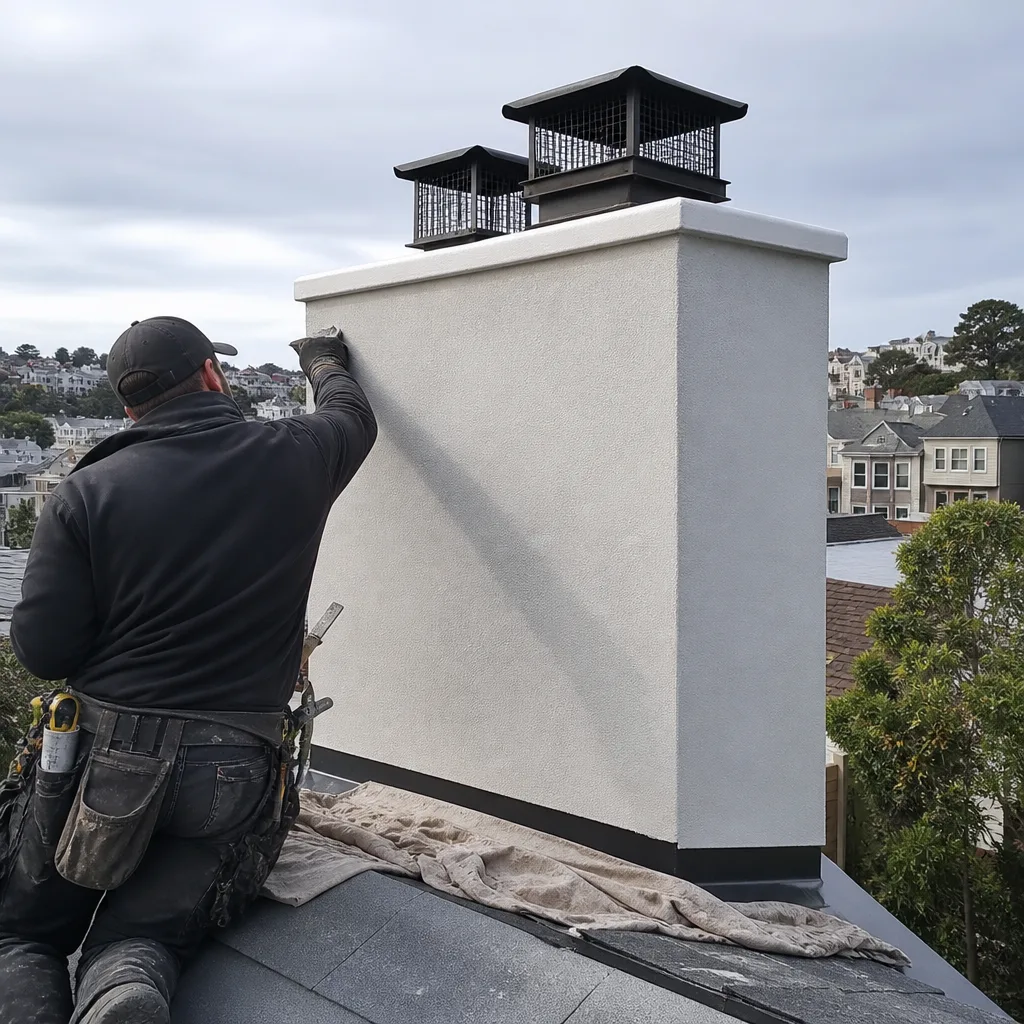
See the difference
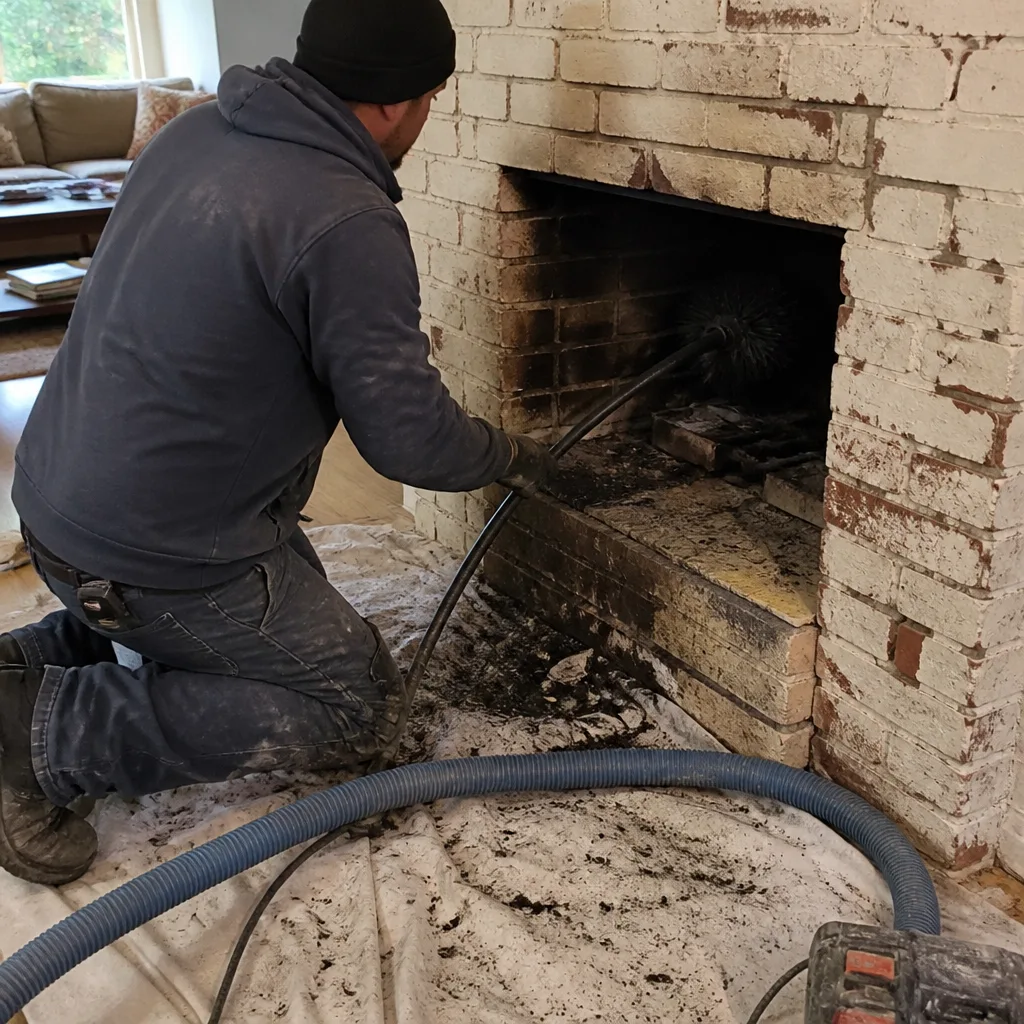 Before
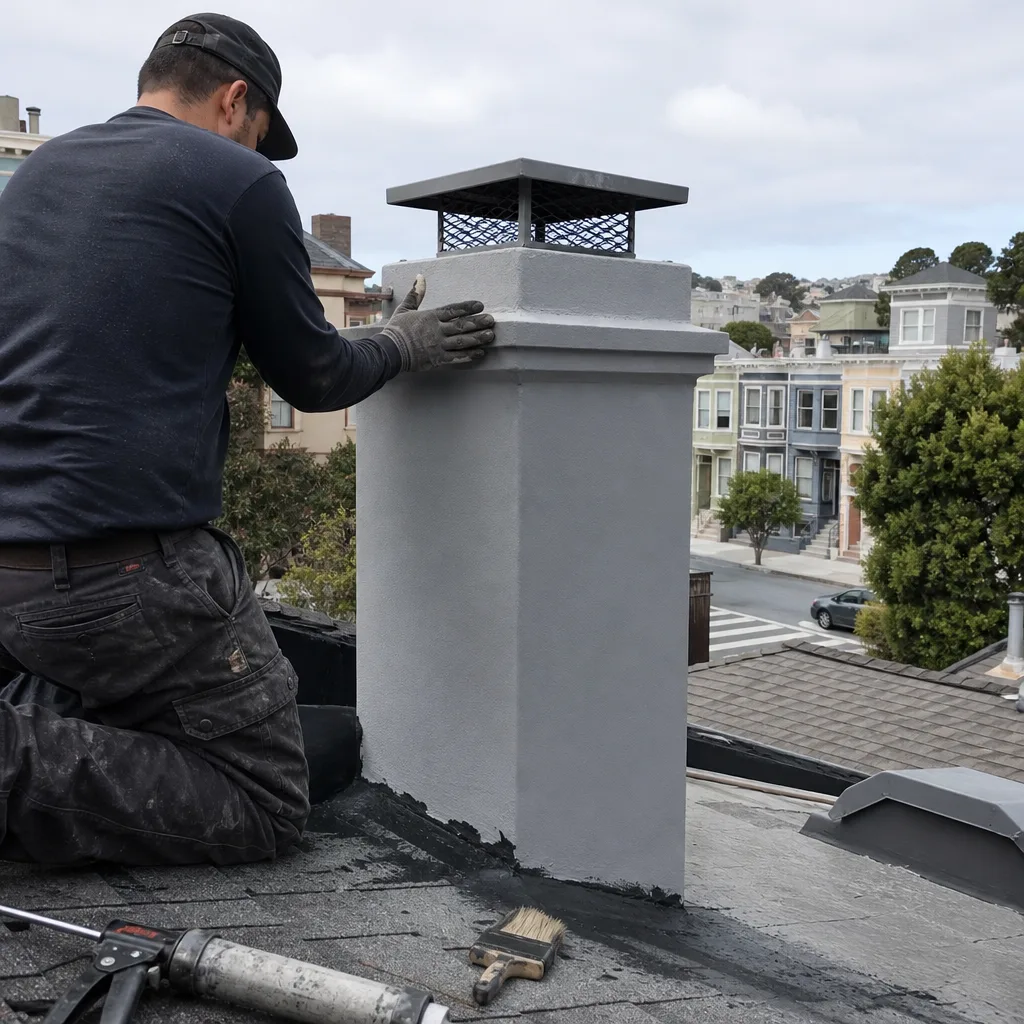 After
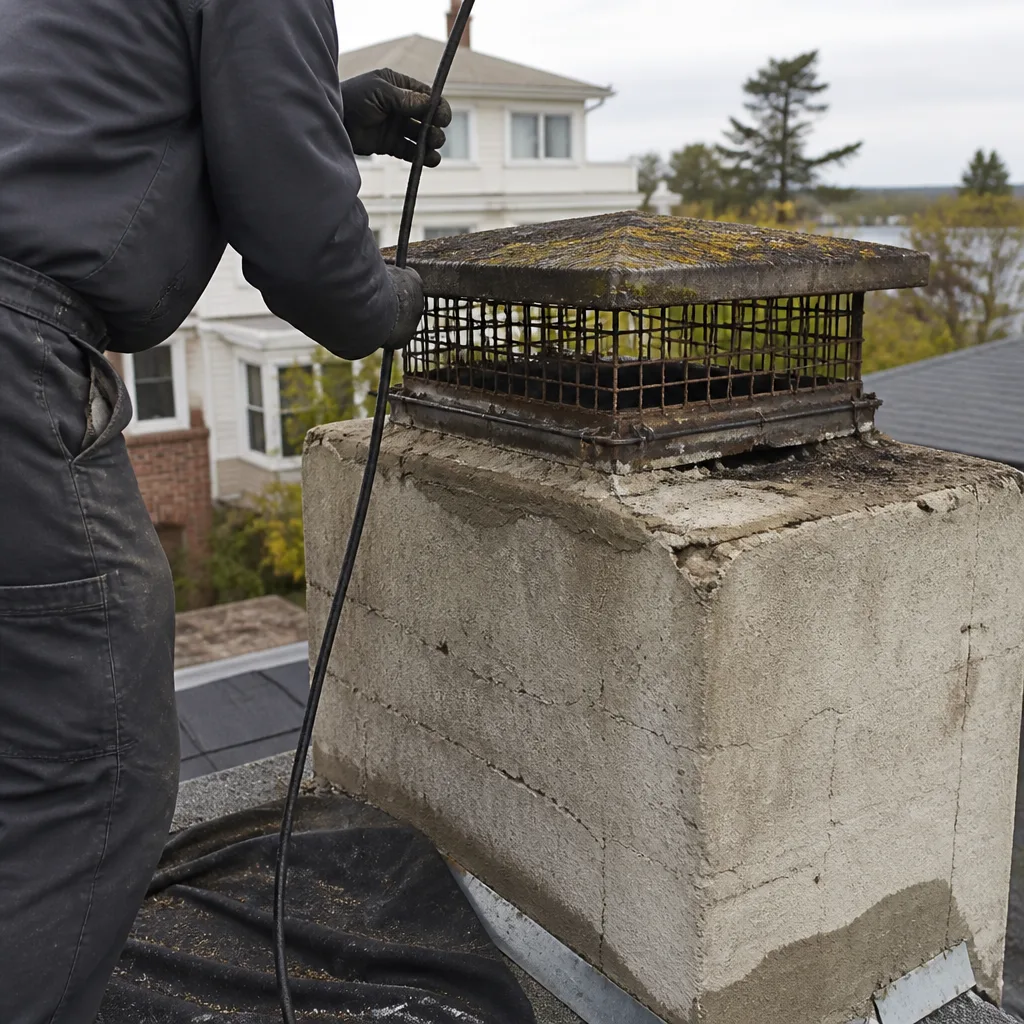 Before
 After
 Before
 After
When to Call a Professional
Any time you observe smoke rollback, persistent summer odor, visible exterior staining, animal activity, or a slow-starting fire that doesn’t respond to priming, a professional evaluation is the right next step. The risk profile of guessing wrong includes chimney fires, carbon monoxide exposure, and structural damage to your home. Draft problems and animal intrusion recur unless the root cause is addressed, and water intrusion compounds in cost the longer it’s left unaddressed. Chimney Sweep Alamo Square offers free estimates in Alamo Square, and our team covers the full scope: sweeping, Dryer Vent Cleaning in Alamo Square, and structural repair under one call. Call (833) 620-7061 to schedule an evaluation.
Frequently Asked Questions
A standard chimney sweep in Alamo Square typically ranges from $180 to $350 depending on flue size, creosote level, and accessibility. Sweeps involving heavy creosote removal, animal nest extraction, or camera inspection run higher. For an exact quote, call (833) 620-7061. Estimates are free, and we’ll confirm pricing before any work begins.
For wood-burning fireplaces used regularly, the National Fire Protection Association recommends annual inspection and choosing the right chimney cleaning brand for sweeping when creosote reaches 1/8 inch of accumulation. Occasional users can often go two years between sweeps, but the only way to know for certain is a visual inspection. Gas appliance chimneys need less frequent cleaning but still require periodic inspection for liner integrity and venting performance.
Skipped sweeps allow creosote to accumulate. Creosote is combustible, and under the right conditions, it ignites, creating a chimney fire that can reach 2,000°F, crack flue tiles, and spread to the home’s structure. Lesser consequences include reduced draft, smoke rollback, and permanent odor. In Alamo Square, where many homes have original masonry chimneys that are 80 to 100 years old, the structural risk of a chimney fire is compounded by aging mortar and clay tiles.
Not necessarily. Many liner issues can be addressed with resurfacing systems like HeatShield, which seals cracks and restores the flue’s integrity without a full replacement. A camera inspection will show whether a liner is failing, cracked, or absent, and it will also show whether a resurfacing repair is appropriate. We never recommend a liner replacement without showing you the camera footage, because you should see exactly what we’re seeing. Full relining, when needed, is typically done with DuraFlex professional-specification systems.
Warm outdoor air passing over your chimney creates a downward draft that pulls creosote odor into your home. The fix is removing the creosote through sweeping and sealing the system with a properly fitted damper or top-sealing damper. In Alamo Square’s humid summer season, this is one of the most common complaints we address.
Yes, and it should be. Clogged dryer vents are the leading cause of home dryer fires, and most chimney companies don’t offer this service. Since our crews are already at your home with the right equipment, combining a Dryer Vent Cleaning in Alamo Square with a chimney sweep is efficient and addresses a fire risk most homeowners don’t realize they have. One call covers the sweep, the vent, and any repair findings.
The Bottom Line
Chimney problems are rarely what they first appear to be. Smoke rollback can be a draft failure, a pressure issue, or a structural problem. Summer odor is a pressure phenomenon, not just a dirty flue. Exterior staining is moisture data. Animal intrusion is an access problem, not just a wildlife problem. The common thread: accurate diagnosis depends on precise symptom description and the right diagnostic tools, and guessing wrong costs you money without fixing anything. If you’re in Alamo Square and experiencing any of these symptoms, describe what you’re seeing as specifically as you can, and let a qualified sweep investigate with draft gauges, camera inspection, and the full scope of equipment the job requires. The Chimney Sweep Alamo Square home team covers sweeping, vent cleaning, and structural repair under one call, using professional-grade materials from trade-only suppliers like Olympia Chimney and Copperfield, not hardware-store substitutes.
Written by the team at Chimney Sweep Alamo Square, serving Alamo Square since 2011. For more guides & resources, visit our blog.